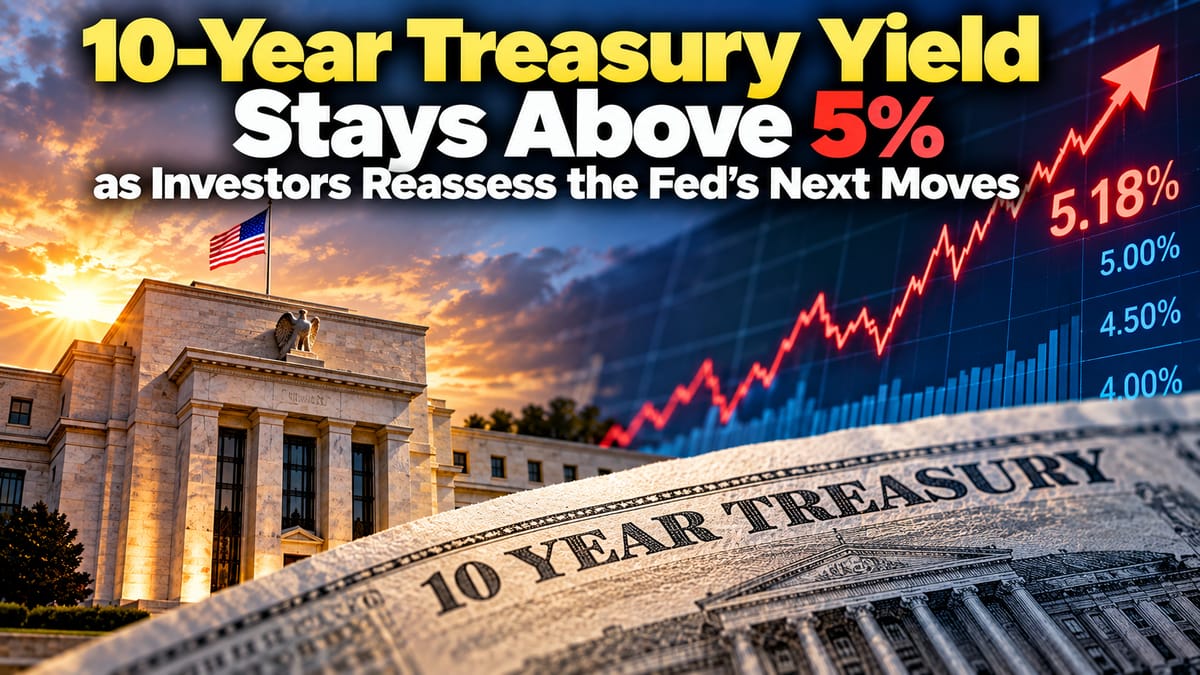
10-Year Treasury Yield Stays Above 5% as Investors Reassess the Fed's Next Moves
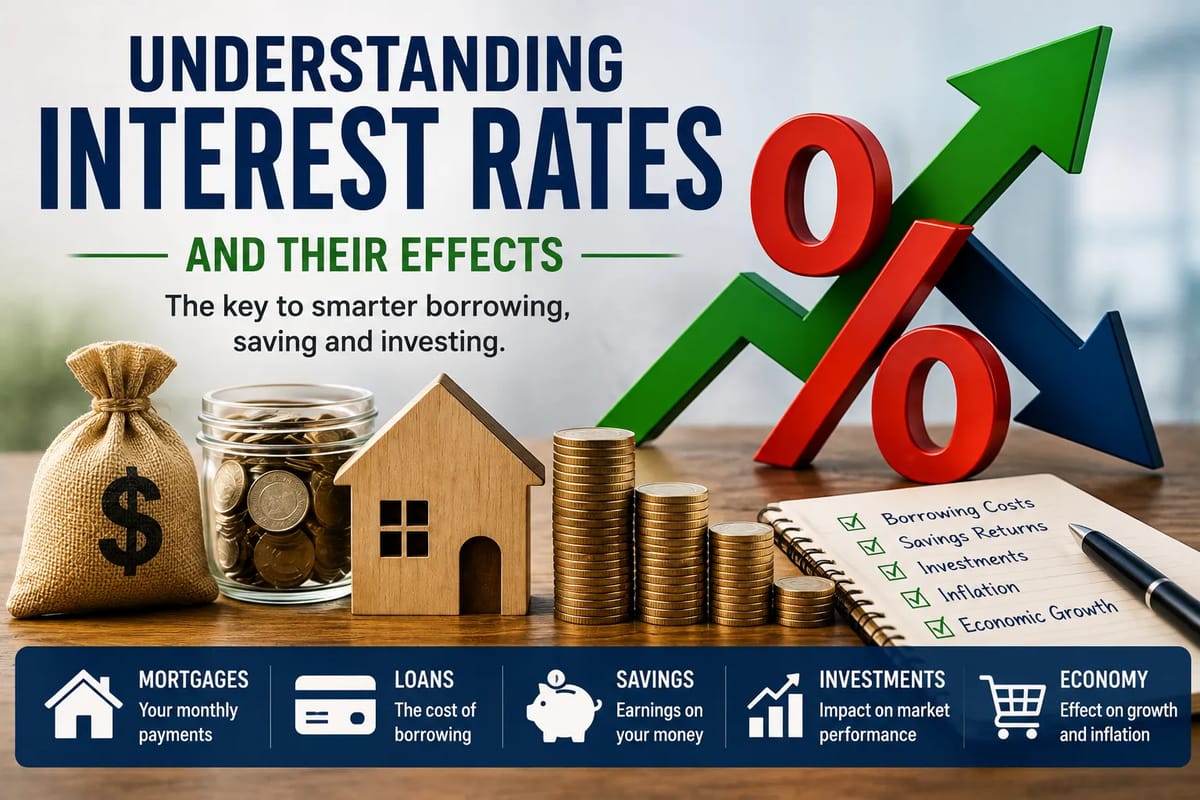
With the 10-year yield now operating above a level that markets have historically watched closely, investors are turning their attention toward what could happen at the Fed's next meetings.

Higher Energy Costs and Interest Rates Put Household Budgets Under Fresh Pressure
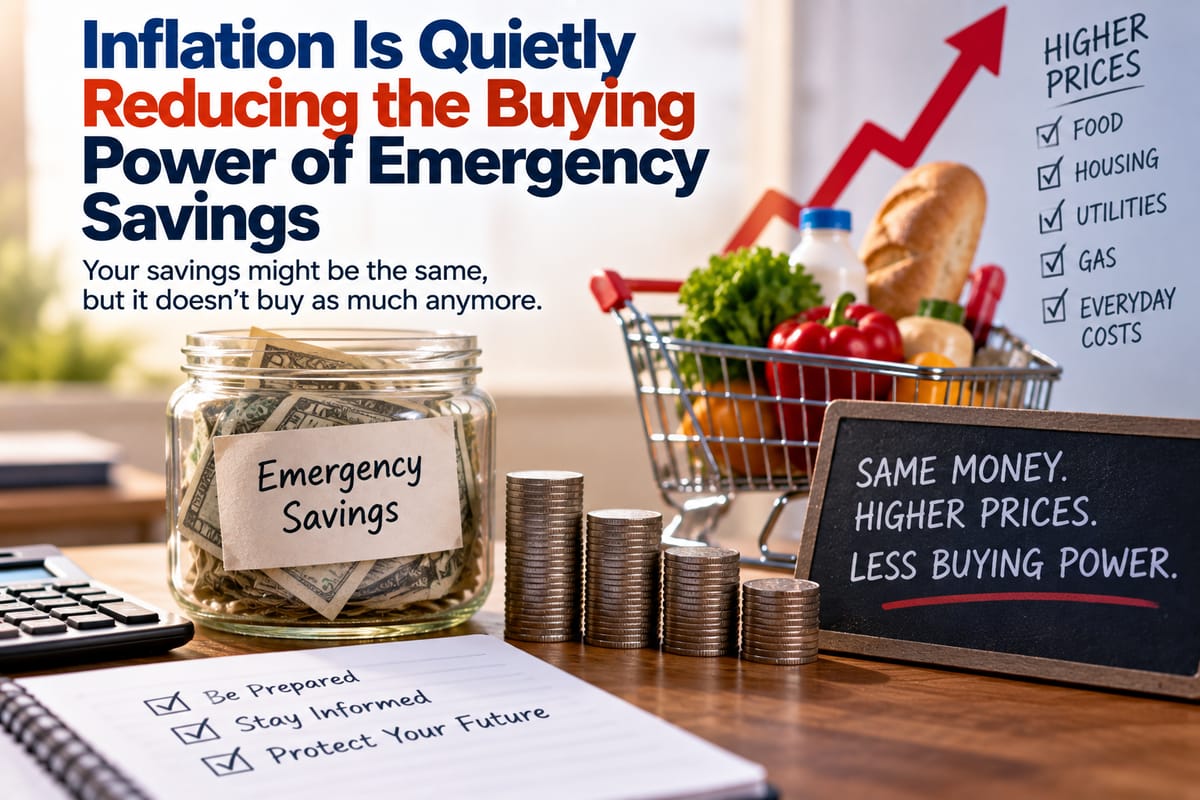
The combination creates a complicated environment for households trying to balance everyday spending, debt payments, emergency savings and longer-term financial goals.
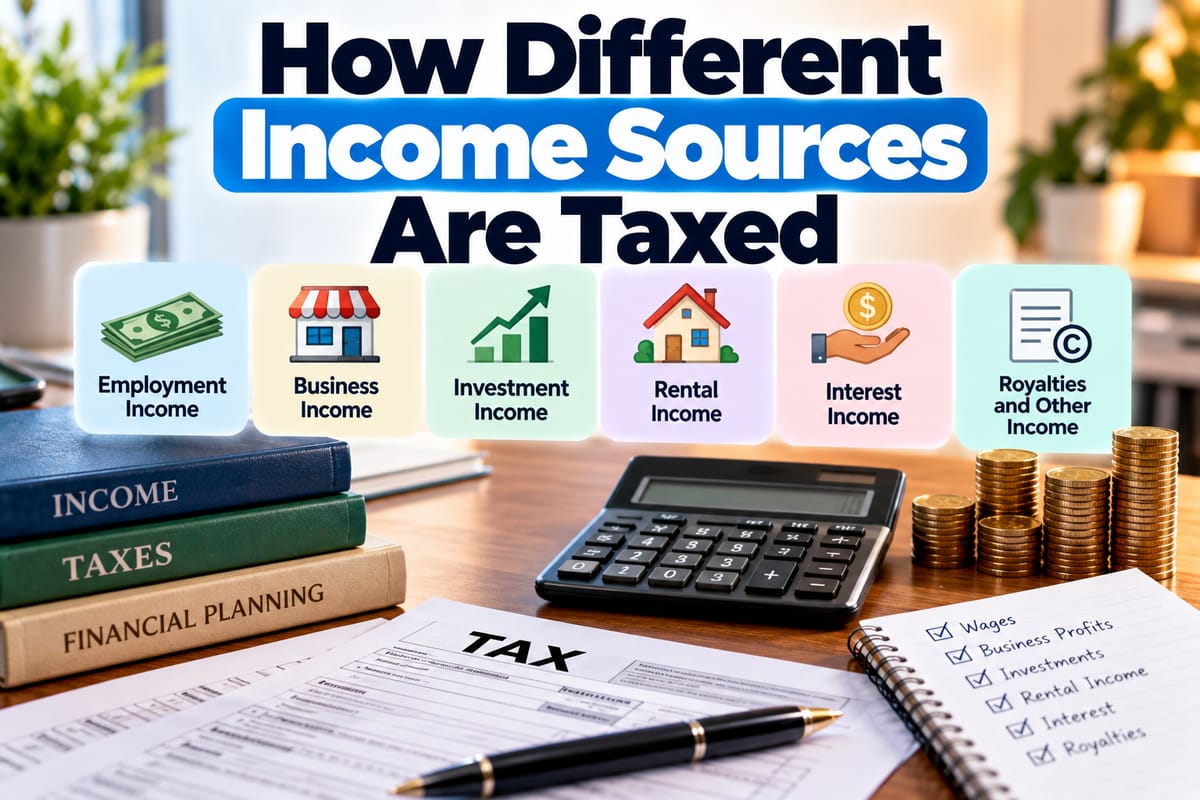
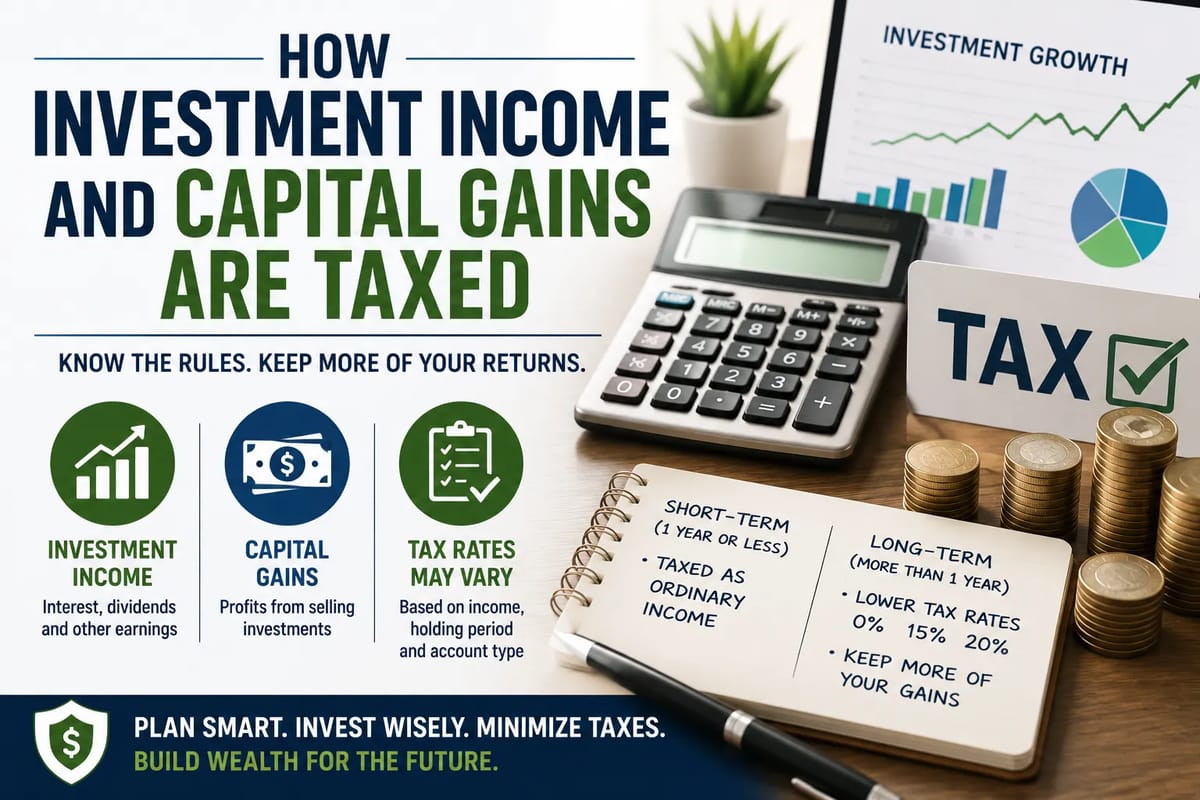
How Different Income Sources Are Taxed
Understanding these distinctions can make personal financial planning easier and help people avoid treating every dollar of income as though it has identical tax consequences.

How Financial News Influences Market Sentiment
A single news report can sometimes trigger a significant change in investor expectations. At other times, an apparently important story may have little lasting effect because markets had already anticipated the information.

How to Budget for Different Family Sizes
The size of a family affects how much money is needed for everyday expenses, but it does not determine exactly how much a household should spend in each category. A practical family budget needs to reflect the household's actual circumstances.

How to Build a Personal Money Toolset
The goal is not to collect as many financial tools as possible. It is to choose tools that answer useful questions and make everyday money decisions easier to understand.
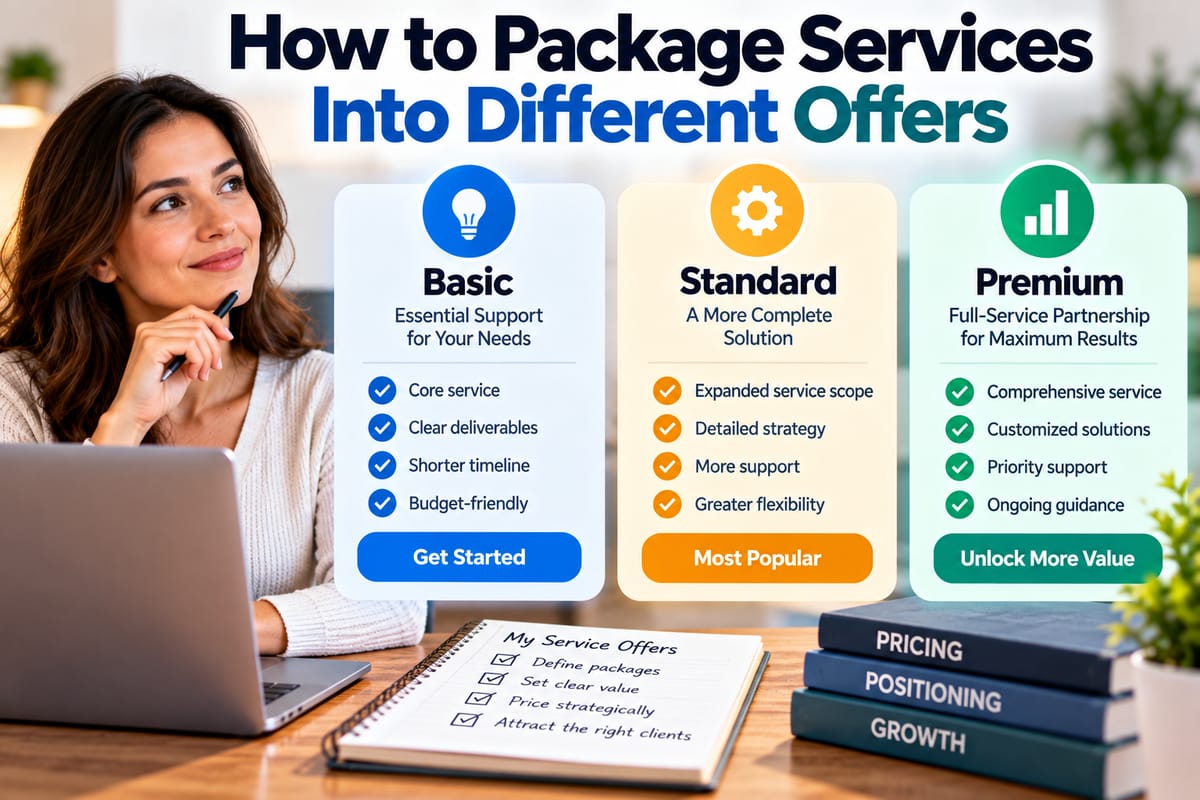
How to Package Services Into Different Offers
Good service packaging is not about adding unnecessary features or making an offer complicated. It is about organizing expertise into understandable solutions that make it easier for customers to decide what fits their situation.
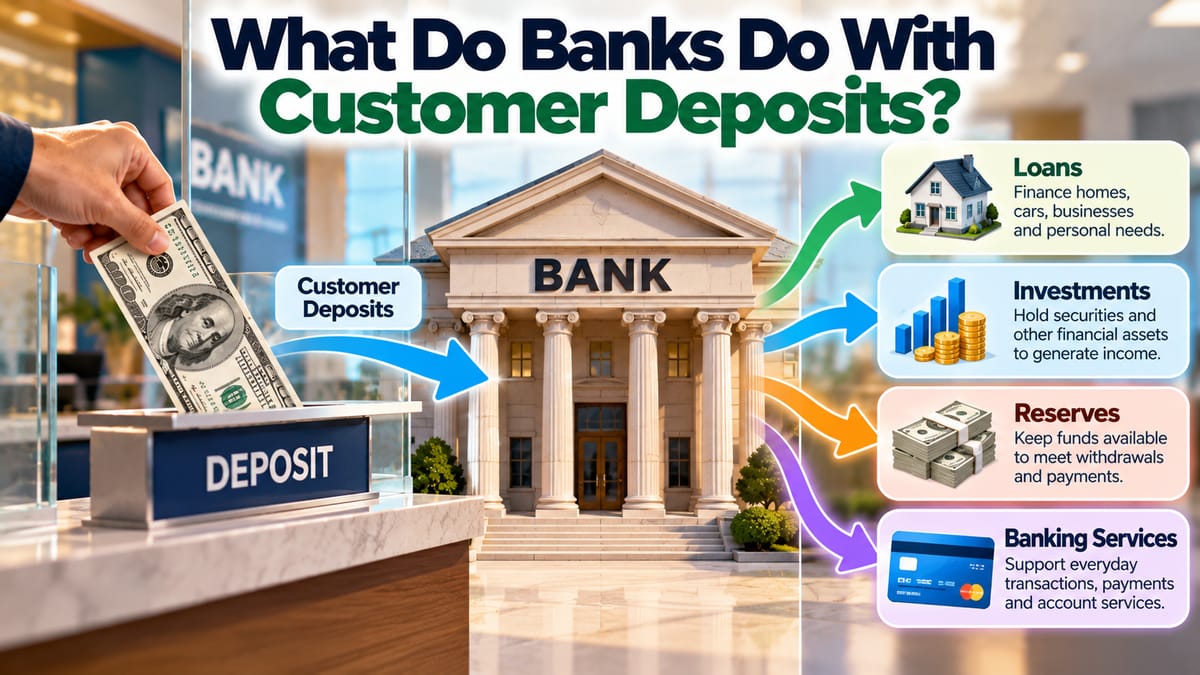
What Do Banks Do With Customer Deposits?
Understanding what happens to deposits also helps explain how banks make money, why banks need liquidity, and why the banking system is closely connected to central banks and financial markets.
Popular Posts