Australia Inflation Hits 4% as Households Face Higher Costs and Interest Rates
The latest figures highlight the difficult financial environment facing Australian households. Housing and transport costs were among the biggest contributors to the increase, while higher fuel prices added another layer of pressure.
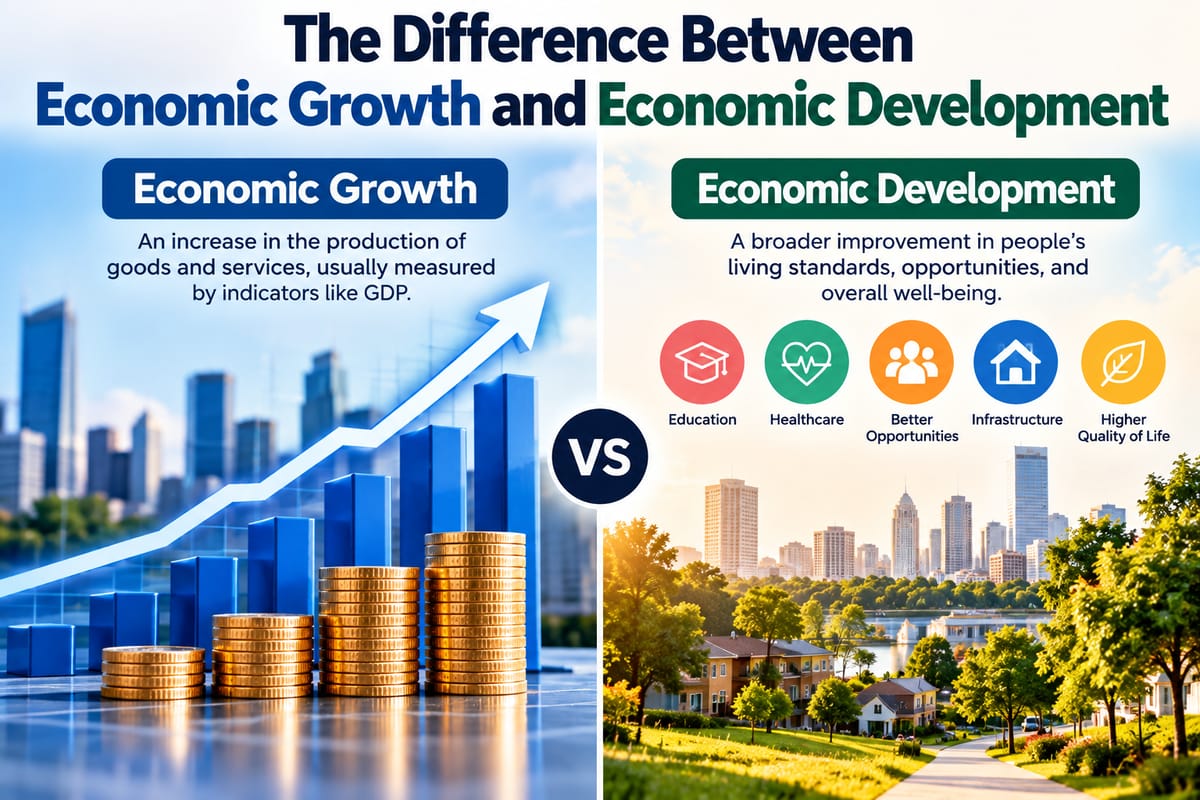
Difference Between Economic Growth and Economic Development
The distinction matters because an economy can become larger without every household necessarily experiencing a comparable improvement in well-being. Looking at both concepts provides a more complete understanding of economic progress and the conditions that shape people's lives.

How Bank Transfer Errors Are Resolved
Understanding how banks investigate and resolve transfer errors can make an unexpected payment problem easier to navigate. It can also help customers know what information to provide, what outcomes are possible, and when they should contact their bank.

How Families Can Make Financial Decisions With Limited Resources
Making financial decisions with limited resources is therefore less about finding a perfect solution and more about deciding what matters most, understanding available options, and using money deliberately.

How Taxes Affect Long-Term Wealth Building
Tax planning does not mean avoiding legitimate tax obligations. Instead, it involves understanding how different financial decisions are taxed and organizing finances in a way that considers taxes alongside other priorities.

How to Combine Employment and Side Income
The goal is not simply to work more hours. It is to build a system in which employment provides stability while additional income is developed in a manageable and deliberate way.

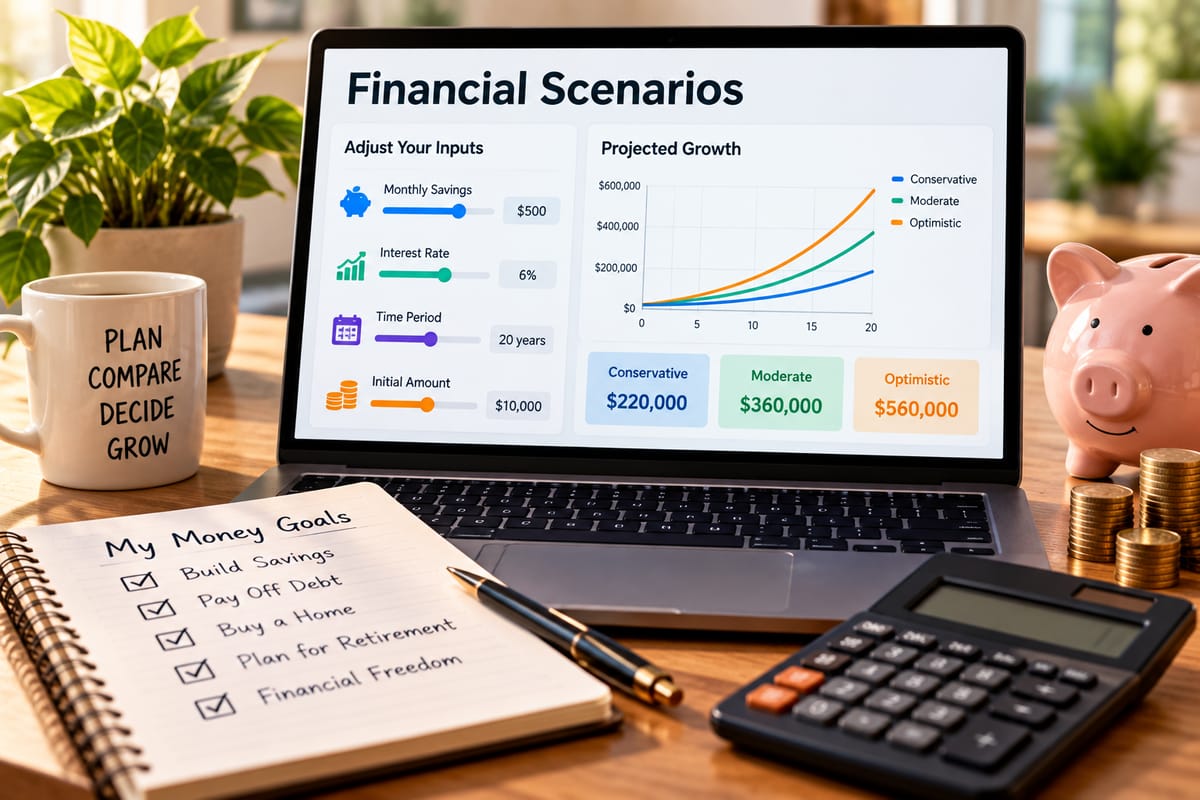
How to Use a Compound Interest Calculator for Savings Growth
Understanding how to use the calculator correctly can also make it easier to compare savings goals, interest rates, contribution schedules, and time horizons.
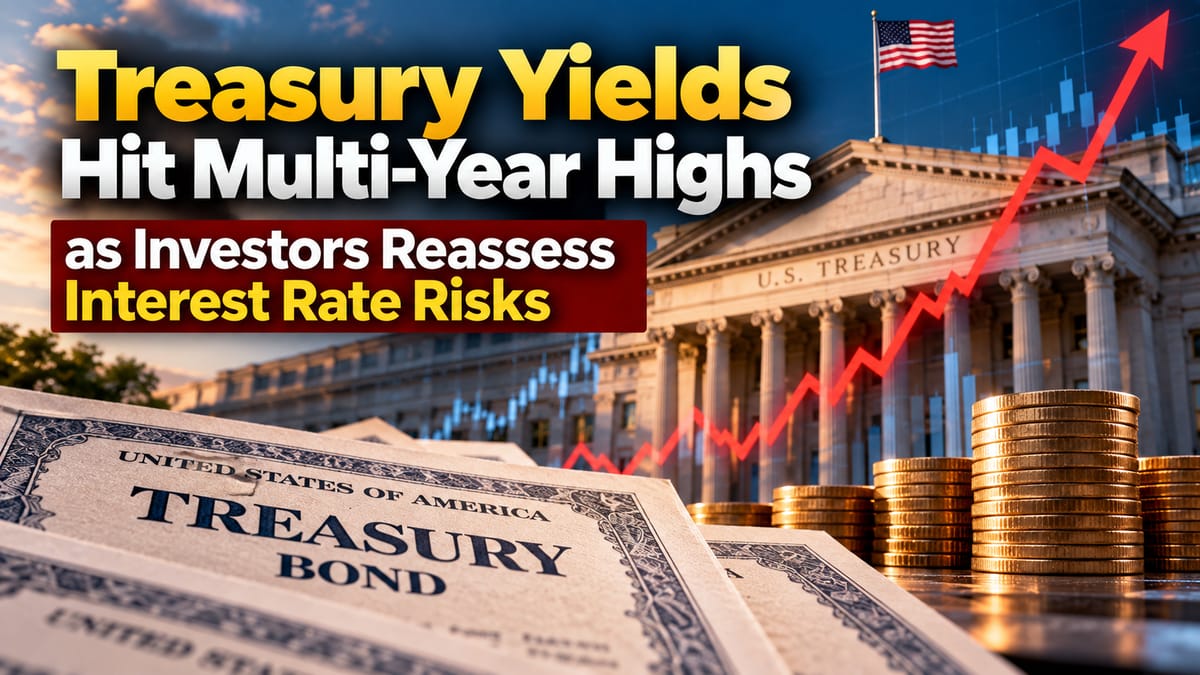
Treasury Yields Hit Multi-Year Highs as Investors Reassess Interest Rate Risks
The increase matters because Treasury yields influence borrowing costs across the economy. They affect mortgages, corporate debt, government financing, equity valuations, currencies, and the relative attractiveness of cash and bonds.
Popular Posts