Gold Investors Await PCE and Jobs Data After a Volatile September
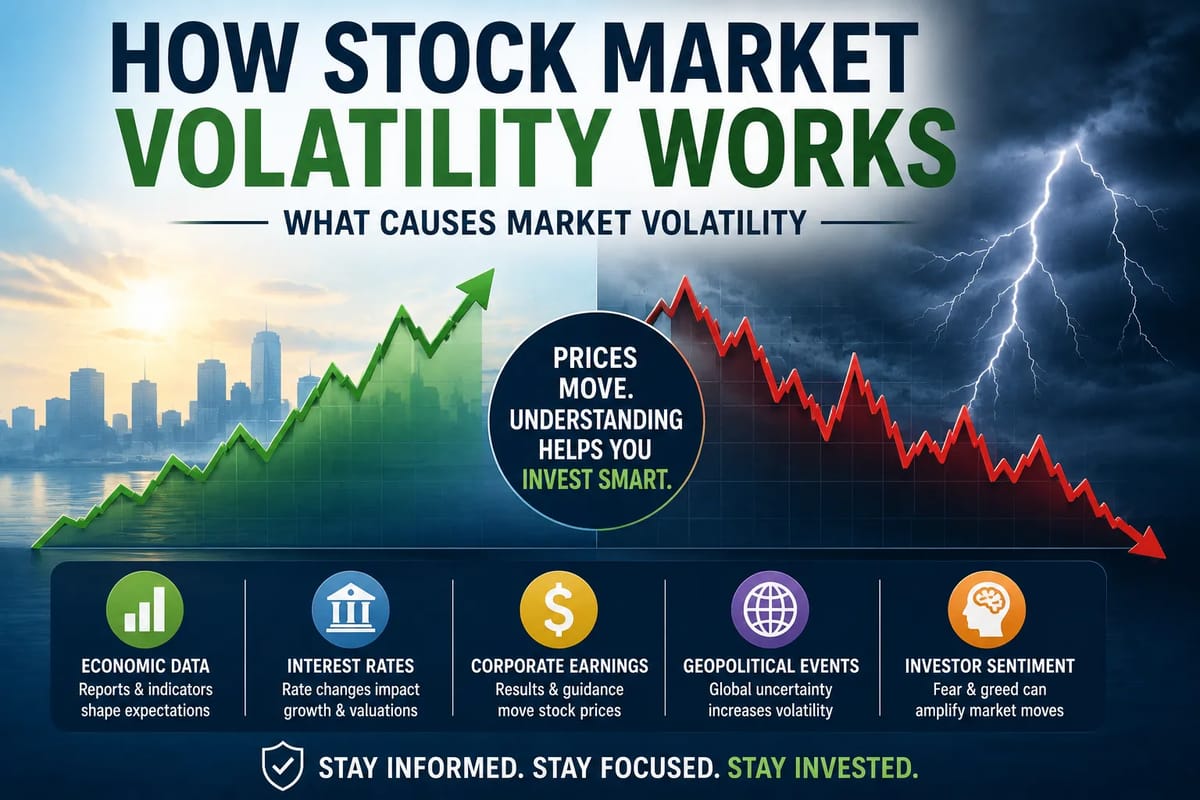
Gold ended September with a monthly decline of roughly 6.6%, according to Reuters, as higher Treasury yields, a stronger dollar and rising energy prices created headwinds for the non-yielding asset.

How Families Can Distinguish Needs From Wants When Spending
Learning to make these distinctions can help families spend more deliberately, reduce unnecessary purchases, and make room for important financial goals.

How Financial Scenario Tools Model Different Money Decisions
These tools do not predict the future. Instead, they create models based on the information entered. Understanding how those models work can help people use financial calculators more effectively and recognize the difference between a useful projection and a guaranteed result.
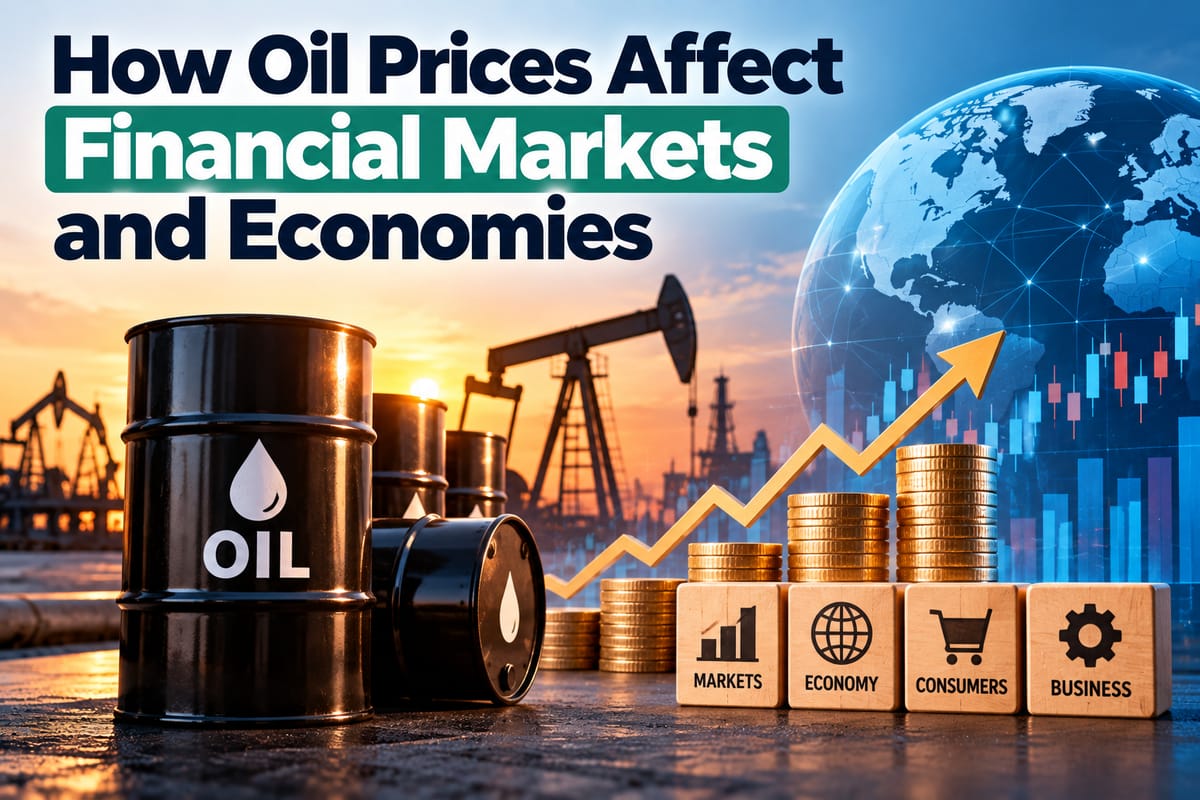
How Oil Prices Affect Financial Markets and Economies
Understanding these connections helps explain why oil-price movements are closely watched by economists, businesses, investors, and policymakers.

How to Bank Online More Safely
The good news is that many effective security practices are straightforward. A few consistent habits can make online banking considerably safer.

How to Calculate Investment Returns After Taxes
The calculation does not have to be complicated. Once the type of investment income, applicable tax treatment, investment costs, and holding period are understood, investors can estimate how much of their return remains after taxes.

How to Monetize Content and Build an Audience
Successful content monetization starts with understanding who the audience is, what they value, and which products, services, or opportunities genuinely solve their problems. From there, creators can build revenue streams that complement their content instead of making every piece of content feel like an advertisement.
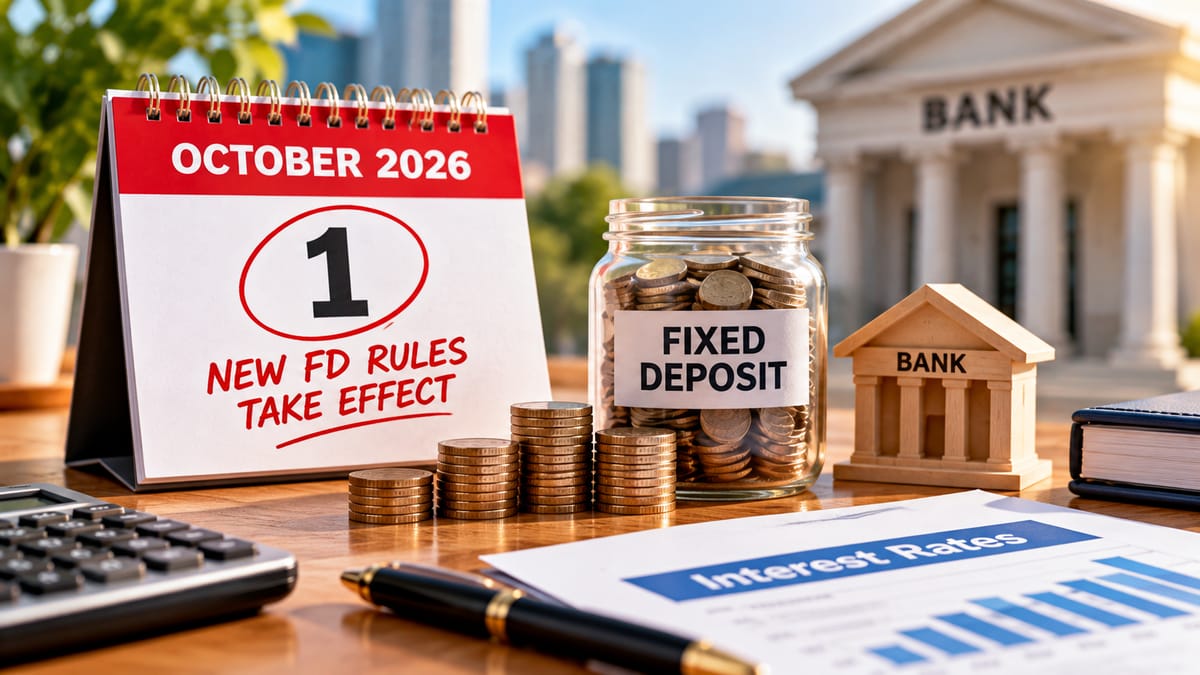
New Fixed-Deposit Rules Take Effect October 1: What Savers Need to Know
For most households with conventional fixed deposits below the bulk-deposit threshold, the changes do not mean that an existing FD will suddenly receive a different interest rate. The bigger significance for ordinary savers is that deposit pricing and terms are becoming easier to compare and more transparent.
Popular Posts