How Taxes Affect Long-Term Wealth Building
Building long-term wealth is usually associated with earning more, spending less, investing consistently, and allowing money to compound over time. But there is another factor that can significantly influence how much wealth a person ultimately keeps: taxes.
Taxes can affect income, investment returns, business profits, property transactions, retirement savings, and the transfer of assets between generations. Because these effects can occur repeatedly over many years, tax decisions can influence the amount of capital available for future investment and the rate at which wealth grows.
Tax planning does not mean avoiding legitimate tax obligations. Instead, it involves understanding how different financial decisions are taxed and organizing finances in a way that considers taxes alongside other priorities.
A long-term approach can be particularly valuable because even relatively small differences in after-tax returns can become meaningful when compounded over decades.
What Does Tax Have to Do With Wealth Building?
Wealth is generally built when a person accumulates assets and financial resources that grow in value or generate income over time.
Taxes can affect that process at several stages.
For example, a person may:
- Earn income.
- Pay applicable taxes.
- Save part of the remaining money.
- Invest those savings.
- Earn interest, dividends, rental income, or capital gains.
- Pay applicable taxes on those earnings.
- Reinvest the remaining amount.
- Continue this process over many years.
Taxes can therefore influence both the amount initially available to invest and the amount that remains available for reinvestment later.
This is why understanding taxes is an important part of broader financial planning. The Complete Guide to Personal Taxes and Tax Planning provides a broader look at how tax planning fits into personal finances.
The Difference Between Income and After-Tax Income
One of the simplest ways taxes affect wealth building is by reducing the amount of income available for saving and investing.
Two people can earn the same gross income but have different amounts available for financial goals depending on their deductions, credits, taxable income, filing circumstances, business structures, benefits, and other factors.
The important figure for many wealth-building decisions is therefore not simply gross income but the amount that remains after taxes and other expenses.
A higher income can create more opportunities to save, but the relationship between income and wealth is not automatic. How much is retained, invested, and allowed to compound also matters.
Taxes and the Power of Compounding
Compounding occurs when investment earnings generate additional earnings over time.
For example, an investment may produce returns during one year. If those returns remain invested, they can contribute to the investment’s growth in subsequent years.
Taxes can affect this process when taxable investment income or gains reduce the amount that can be reinvested.
Consider a simplified example.
Suppose an investment earns a return during a particular year. If the entire return remains invested, the full amount can potentially contribute to future growth. If part of that return is owed in taxes and is paid out of the investment proceeds, less capital remains available to compound.
The difference may appear modest over a single year. Over several decades, however, repeated differences in the amount being compounded can become much more significant.
Why Tax Timing Matters
Taxes do not always occur at the same point in an investment’s life.
Depending on the investment and account structure, taxation may occur when income is earned, when distributions are received, when an asset is sold, or at another point defined by applicable tax rules.
The timing of taxation can therefore affect how long money remains invested before taxes are paid.
This is one reason tax-aware financial planning considers not only how much tax may be owed but also when it may be owed.
Deferring a tax obligation can sometimes allow more money to remain invested for longer, although the eventual tax treatment and other conditions still need to be considered.
How Different Investments Can Receive Different Tax Treatment
Investment returns are not necessarily taxed in the same way.
Depending on the jurisdiction and investment, returns may come from:
- Interest
- Dividends
- Capital gains
- Rental income
- Business income
- Distributions
- Other forms of investment income
Each category can have different tax rules.
For investors, understanding these differences can be just as important as understanding the expected investment return.
The How Investment Income and Capital Gains Are Taxed guide explores these categories in greater detail.
Taxes on Capital Gains
Capital gains generally arise when an asset is sold for more than its adjusted cost basis.
For long-term investors, capital gains can become an important part of wealth creation because assets such as stocks, funds, real estate, or business interests may appreciate substantially over time.
The tax treatment of a gain can depend on factors such as:
- The type of asset
- How long it was held
- The amount of the gain
- The taxpayer’s circumstances
- The applicable tax rules
- Whether losses can offset gains
This means that selling an investment is not purely an investment decision. It can also be a tax event.
Why Investment Turnover Can Matter
Frequent buying and selling can create more taxable events in some circumstances.
An investor who continually sells appreciated assets may realize gains repeatedly. An investor using a longer-term strategy may sometimes allow investments to remain in place for extended periods.
This does not mean investors should avoid selling an investment simply to avoid taxes. An investment can become unsuitable, overpriced, excessively concentrated, or inconsistent with a person’s financial plan.
The important point is that taxes can be one factor to consider when deciding whether and when to sell.
Tax Losses Can Also Affect Wealth Building
Not every investment produces a gain.
When investments decline in value and are sold, losses may have tax implications depending on applicable rules.
In some circumstances, recognized investment losses may offset certain gains or affect taxable income. The exact treatment varies by jurisdiction and individual circumstances.
This is one reason investors may consider tax-loss strategies as part of portfolio management.
However, tax considerations should not be allowed to override sound investment decisions. Selling an investment solely to generate a tax benefit can make little sense if doing so damages the overall investment strategy.
Tax-Advantaged Accounts and Long-Term Growth
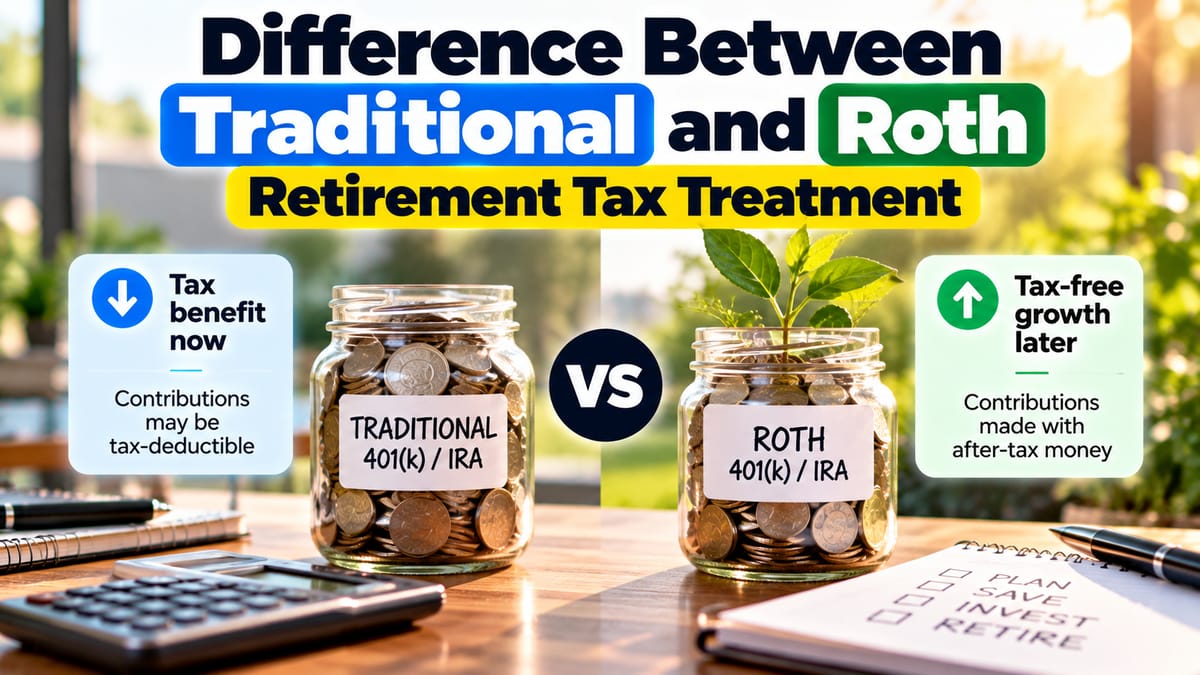
Some financial systems provide accounts or arrangements designed to offer particular tax advantages for retirement, education, healthcare, or other long-term goals.
Depending on the account, the tax benefit might involve:
- Contributions receiving favorable treatment
- Investment growth receiving deferred taxation
- Qualified withdrawals receiving favorable treatment
- Certain earnings receiving tax advantages
The exact rules vary significantly between countries and account types.
For long-term wealth building, these structures can matter because they may change how much of an investment’s return remains available for compounding.
However, tax advantages should be considered alongside contribution limits, withdrawal rules, investment choices, fees, and the person’s broader financial objectives.
Tax Deferral and Wealth Accumulation
Tax deferral is another concept that can influence long-term wealth.
When taxes on certain investment earnings are deferred rather than paid immediately, more capital may remain invested during the deferral period.
The potential benefit comes from keeping money invested for longer.
But tax deferral is not necessarily the same as tax elimination. In many arrangements, taxes may eventually become due.
A long-term financial plan therefore needs to consider both the current benefit and the future tax obligation.
How Tax Rates Affect Financial Decisions
Tax rates can influence decisions about earning, investing, selling assets, withdrawing money, and structuring financial activities.
A person’s effective tax cost may depend on more than one headline tax rate because different forms of income can receive different treatment.
Understanding the relationship between tax rates and financial choices can help investors evaluate the after-tax consequences of different strategies. The How Tax Rates Affect Financial Decisions guide examines this relationship in more detail.
Taxes and Retirement Planning
Retirement planning illustrates why taxes matter over long periods.
A person may spend decades accumulating retirement assets and then begin withdrawing money over a much shorter period.
The tax treatment of those withdrawals can affect how much money is ultimately available to support living expenses.
A retirement plan may therefore need to consider:
- Current tax rates
- Expected future income
- Different account types
- Withdrawal timing
- Investment income
- Capital gains
- Required distributions where applicable
- Other sources of retirement income
The goal is not necessarily to minimize taxes in every individual year. A broader objective may be to manage the total tax impact across the accumulation and withdrawal stages.
The Importance of Tax Diversification
Tax diversification means holding assets or financial resources with different tax characteristics.
For example, a person’s long-term financial resources may include taxable investments alongside accounts receiving different forms of tax treatment.
This can provide greater flexibility when deciding where future income should come from.
If every asset is subject to the same tax treatment, a person’s options may be more limited.
Having different types of accounts can sometimes allow withdrawals or financial decisions to be coordinated with changing income levels and tax circumstances.
Taxes and Business Ownership
Business ownership introduces additional tax considerations.
A business owner may receive income through salary, business profits, distributions, or other mechanisms depending on the business structure and jurisdiction.
Business expenses, deductions, depreciation, payroll obligations, and other rules can also influence taxable income.
For entrepreneurs, business and personal financial planning are often closely connected.
A business that generates strong revenue does not necessarily produce the same amount of after-tax wealth for its owner. The structure of the business and how profits are retained or distributed can influence the owner’s overall financial position.
Taxes and Real Estate Wealth
Real estate can be another major component of long-term wealth.
Property can potentially generate rental income while also appreciating in value.
However, property ownership can involve multiple tax considerations, including:
- Rental income
- Property taxes
- Deductible expenses
- Depreciation
- Capital gains
- Property transfers
- Local taxes and fees
The tax treatment can become especially important when a property is sold after years of appreciation.
A property that has increased substantially in value may create a significant taxable event depending on the applicable rules and the owner’s circumstances.
Taxes and Homeownership
A primary residence can also have tax implications.
Depending on the jurisdiction, homeowners may encounter property taxes, transaction taxes, deductions, credits, or special rules concerning the eventual sale of a home.
These considerations should be incorporated into long-term housing decisions rather than viewed separately from the rest of a financial plan.
Buying a home is not simply a question of whether the property will appreciate. Homeowners also need to account for maintenance, insurance, financing costs, taxes, and other expenses.
Taxes and Estate Planning
Long-term wealth building eventually raises questions about what happens to accumulated assets.
Estate and inheritance rules vary substantially by jurisdiction, but taxes can sometimes affect the transfer of wealth between generations.
Estate planning may involve decisions concerning:
- Wills
- Trusts
- Beneficiary designations
- Property ownership
- Business interests
- Retirement accounts
- Investment assets
- Charitable giving
Tax planning can therefore continue beyond a person’s own investment lifetime.
The specific rules can be complex, making professional guidance particularly important for substantial estates or complicated family and business situations.
Tax-Efficient Investing Does Not Mean Ignoring Investment Risk
Tax efficiency is only one part of an investment strategy.
An investment that provides favorable tax treatment may still be unsuitable if it carries excessive risk, lacks diversification, has high fees, or does not match the investor’s objectives.
Similarly, selling a high-quality investment solely because of an immediate tax consequence may not always make financial sense.
A sound wealth-building strategy considers multiple factors at the same time:
- Risk
- Return potential
- Diversification
- Liquidity
- Fees
- Time horizon
- Tax treatment
- Personal goals
Taxes matter, but they should be considered within the broader financial picture.
How Inflation and Taxes Can Work Together
Inflation and taxes can both affect purchasing power.
An investment may increase in nominal value over time while the real purchasing power of that money changes.
If a taxable investment produces a return, the investor may owe tax even though part of the apparent gain reflects changes in prices rather than a corresponding increase in real purchasing power.
This makes it important to distinguish between nominal returns and real financial progress.
Long-term planning should therefore consider both the effects of taxation and the effects of inflation.
The Cost of Ignoring Taxes
Tax planning is sometimes postponed because taxes appear to be an administrative issue rather than a wealth-building issue.
That can be costly.
A person who never considers tax consequences may:
- Sell investments at inconvenient times
- Miss available tax-advantaged opportunities
- Pay unnecessary taxes
- Overlook the impact of investment turnover
- Fail to coordinate retirement withdrawals
- Make inefficient business decisions
- Neglect estate-planning considerations
Not every tax-saving opportunity is appropriate, and tax rules can change. But failing to consider taxes at all can leave an important part of financial planning out of the equation.
Building a Tax-Aware Financial Plan
A tax-aware financial plan integrates tax considerations into broader decisions about saving, investing, retirement, insurance, business ownership, and estate planning.
Rather than asking only, “How much can I earn?” the plan can also consider:
- How much income will remain after taxes?
- How will investments be taxed?
- When might taxable events occur?
- Which accounts have different tax characteristics?
- How could withdrawals affect taxable income?
- What happens if income changes?
- How might future asset sales affect taxes?
The How to Build a Tax-Aware Financial Plan guide provides a broader framework for incorporating these considerations into financial planning.
Tax Planning Should Change as Life Changes
A tax strategy that makes sense early in a person’s career may not remain appropriate decades later.
Income can change. People may start businesses, purchase property, receive inheritances, sell investments, retire, relocate, marry, divorce, or experience other major financial changes.
Each event can alter the tax considerations surrounding a person’s wealth.
This is why tax planning should be reviewed periodically rather than treated as a one-time exercise.
A Simple Framework for Long-Term Tax Planning
A practical approach can begin with a few basic questions.
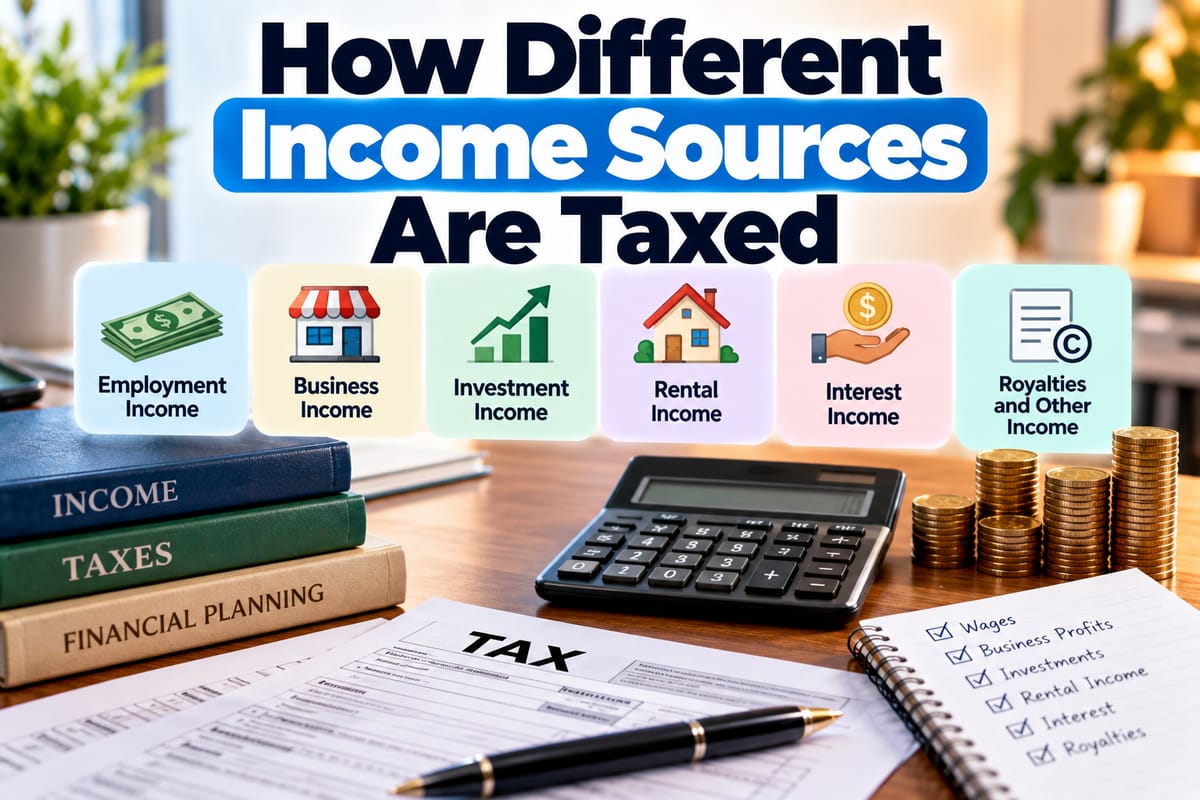
1. Understand Where Your Income Comes From
Separate employment income, business income, investment income, rental income, and other sources where relevant.
Different sources may receive different tax treatment.
2. Understand Where Your Wealth Is Held
Identify taxable investments, retirement accounts, business interests, property, cash, and other assets.
3. Consider When Tax Events Occur
Identify situations that could create taxable income or gains, such as selling investments, withdrawing funds, selling property, or receiving certain distributions.
4. Look at the Long-Term Picture
Avoid evaluating a financial decision only by its immediate tax consequence.
Consider how it affects wealth accumulation, investment returns, liquidity, and future taxes.
5. Review the Plan Regularly
Tax rules, income, investments, and personal circumstances can change.
Regular reviews can help keep the strategy aligned with the broader financial plan.
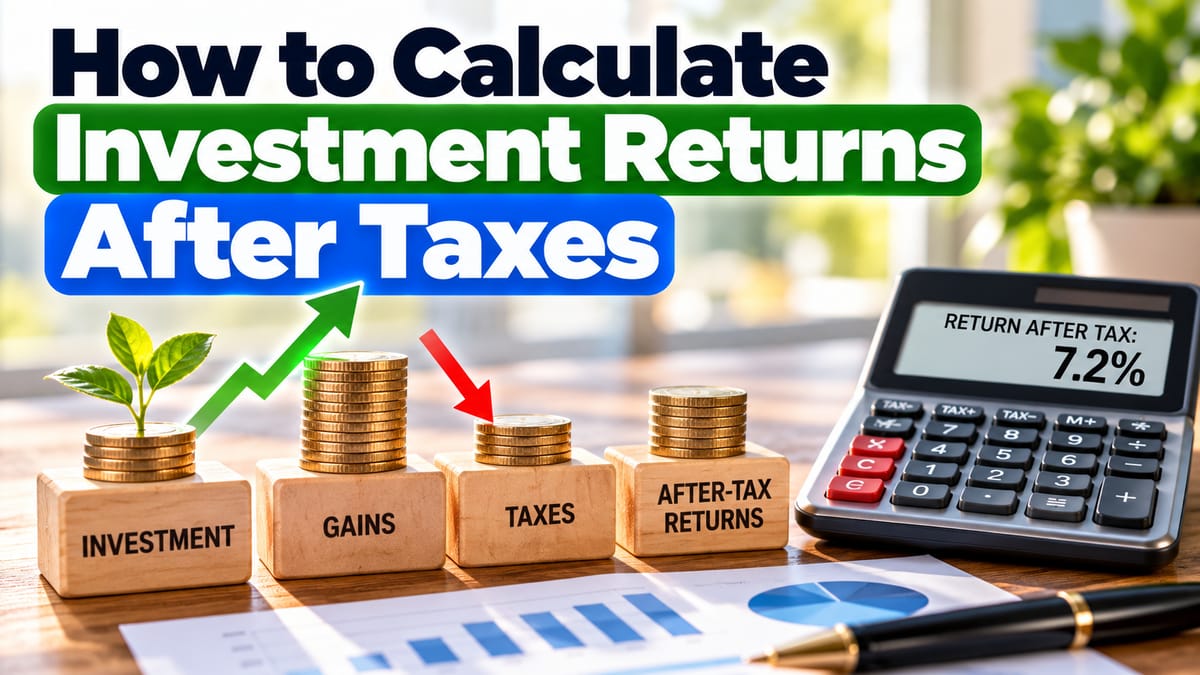
Why After-Tax Returns Matter
Investment performance is often discussed in terms of percentage returns.
But investors ultimately care about what remains after taxes, fees, and other costs.
An investment generating a particular return before taxes does not necessarily produce the same wealth outcome as another investment with a similar headline return but different tax characteristics.
This is why comparing investments solely on their stated return can provide an incomplete picture.
The relevant question for long-term wealth building is often closer to:
How much wealth can this strategy realistically leave me with after taxes and other costs over my investment horizon?
Making Taxes Part of the Wealth-Building Conversation
Taxes are an unavoidable part of most financial lives, but they do not have to be treated as an afterthought.
They can affect how much income is available for investment, how quickly assets compound, when investment gains are realized, how retirement withdrawals are structured, and how wealth is eventually transferred.
The most useful approach is generally to view taxation as one component of a broader financial strategy.
Understanding the tax characteristics of income and investments can help people make decisions with a clearer picture of their potential long-term consequences. Combined with disciplined saving, appropriate investing, risk management, and regular financial reviews, tax-aware planning can help preserve more of the wealth a person works to build over time.
Tax rules are complex and vary by jurisdiction and individual circumstances, so significant financial decisions may warrant advice from a qualified tax or financial professional.