Bitcoin Above $80,000 Puts Crypto and Traditional Assets in Focus
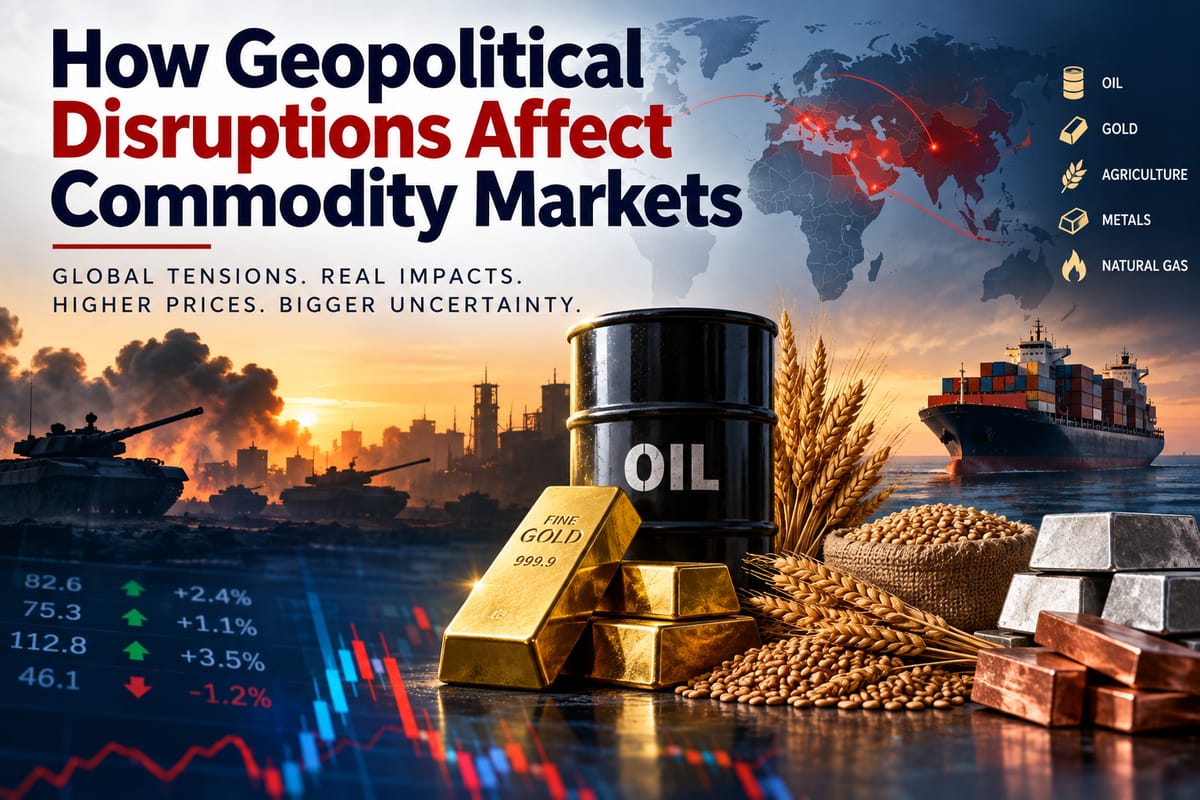
The simultaneous moves are highlighting an increasingly important question: **Are investors simply buying a volatile digital asset, or are Bitcoin and other alternative assets becoming part of a broader response to concerns about traditional currencies, government debt and financial-market liquidity?**.

How Charitable Giving Can Affect Tax Planning
The important distinction is that **giving money away is not automatically a way to save money on taxes**. The tax treatment of a donation depends on factors such as where you live, the type of organization receiving the contribution, what you donate, how you make the gift and whether you qualify for a particular deduction or credit.
How Debt Repayment Tools Help Plan Debt Payoff
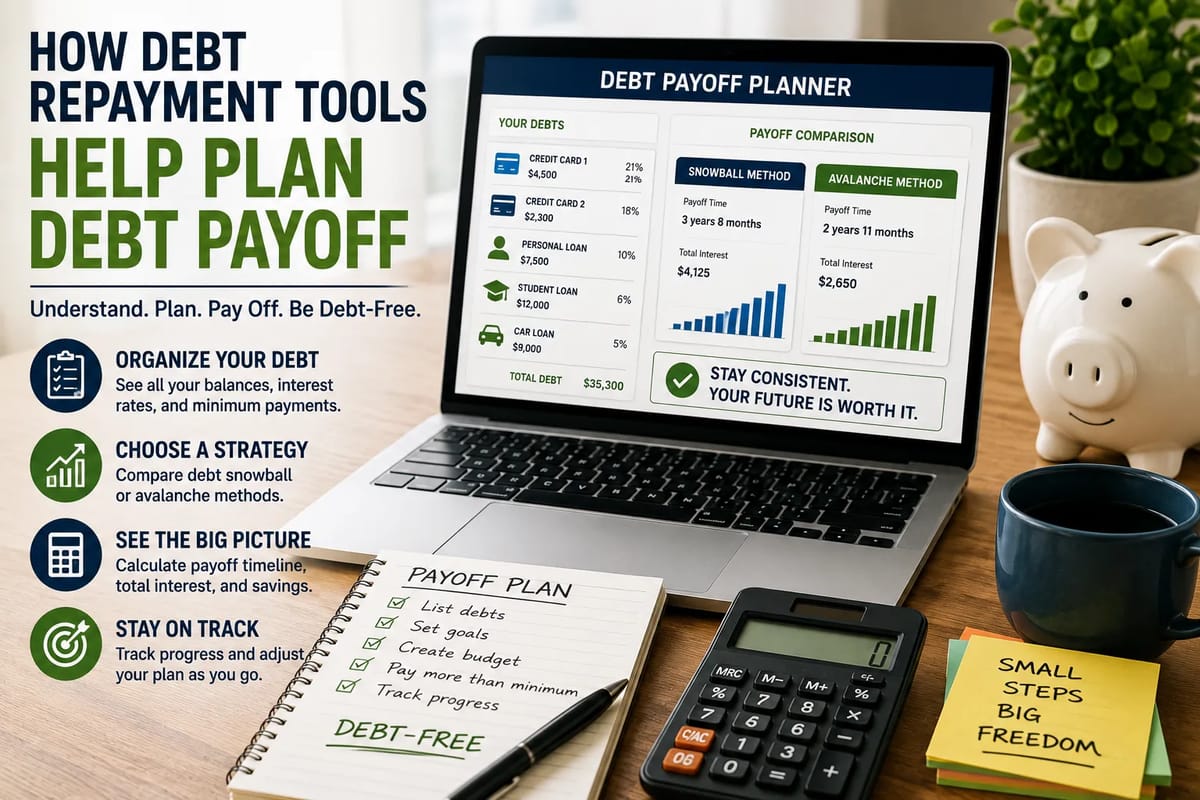
Debt repayment tools are designed to make that process easier. From simple spreadsheets and calculators to budgeting apps and debt-management platforms, these tools can help borrowers organize what they owe, compare repayment strategies and track progress over time.
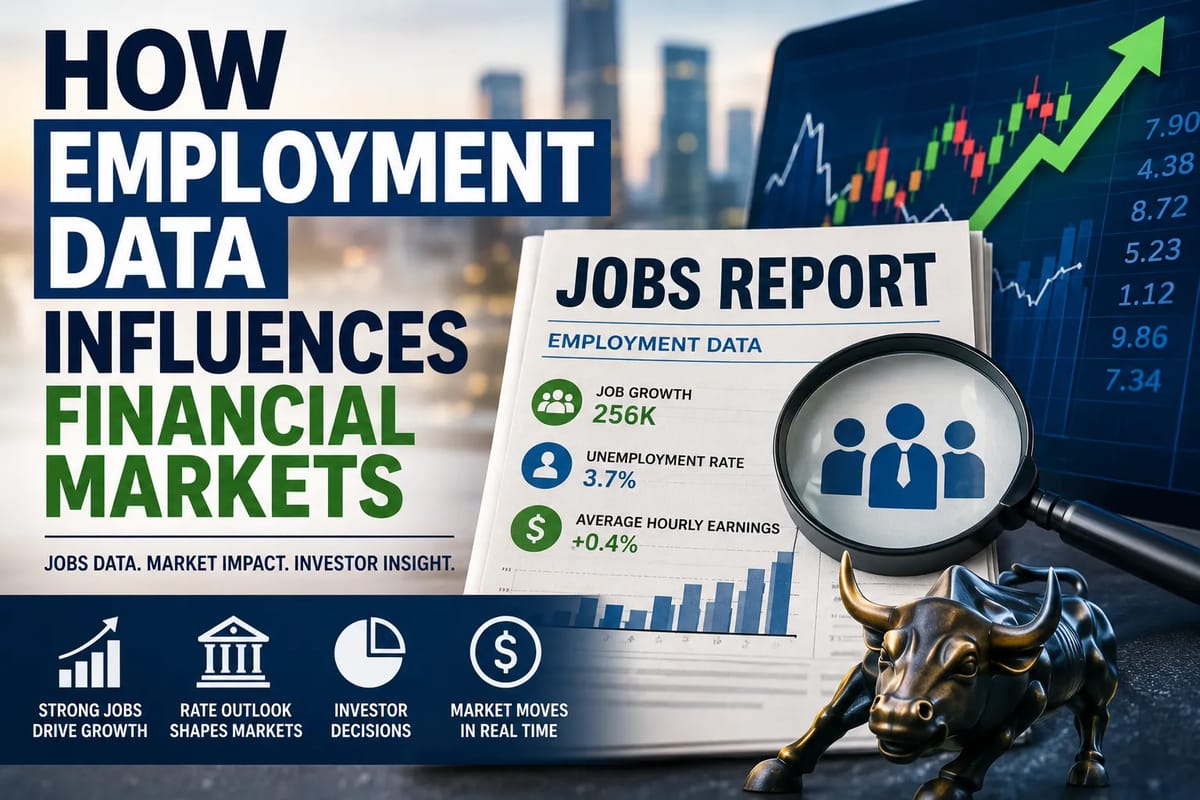
How Employment Data Influences Financial Markets
When hiring is strong, unemployment is low and wages are rising at a sustainable pace, markets may interpret the data as evidence of solid economic activity. When job creation slows, unemployment rises or layoffs increase, investors may begin to worry about weaker consumer spending and slower economic growth.

How to Build Credit From Scratch for the First Time
The good news is that starting with no credit history is different from having bad credit. A person with no established credit simply has not demonstrated a track record of borrowing and repaying money. With responsible habits and the right financial products, that history can gradually develop.

How to Increase Your Earning Potential Throughout Your Career
The good news is that earning potential is not entirely determined by a job title or starting salary. There are practical ways to strengthen your position over time and create more opportunities to earn.

How to Organize Personal and Household Financial Records
The goal is not to keep every piece of paper forever. It is to create a practical system that makes important information easy to find, protects sensitive documents and helps the household understand where its money is going.
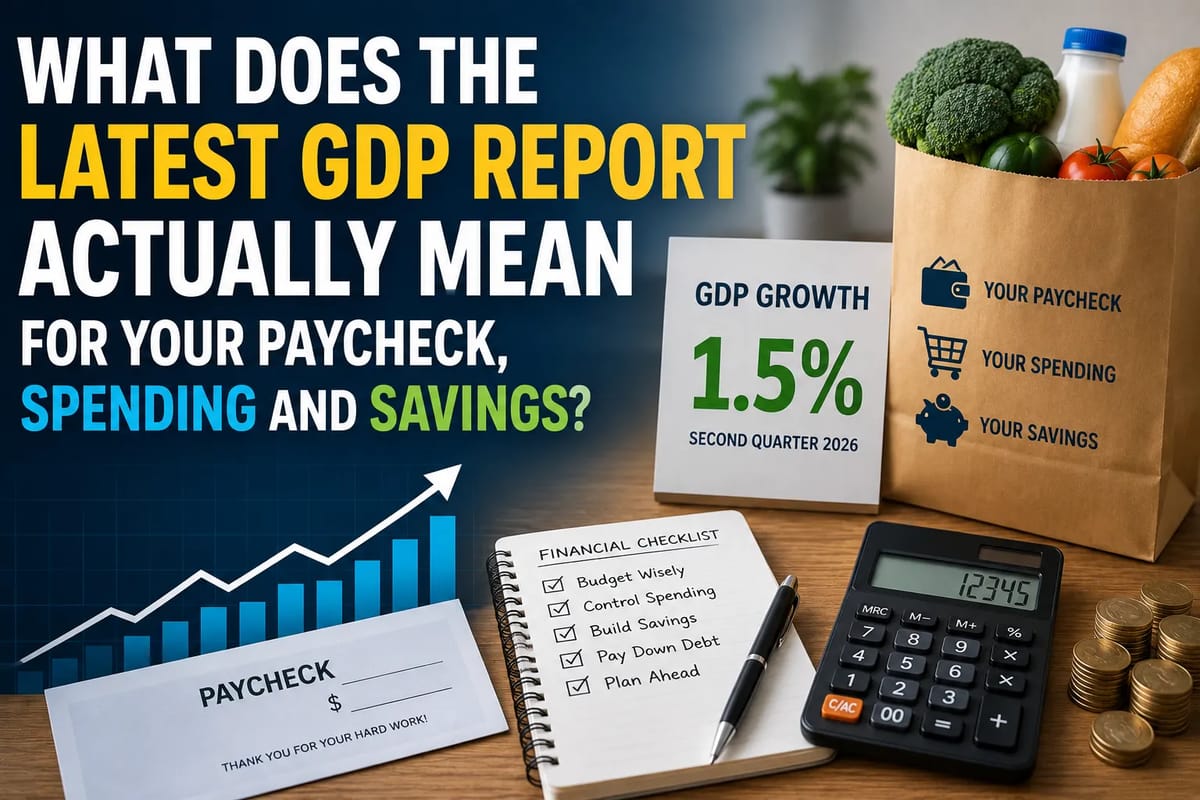
What Does the Latest GDP Report Actually Mean for Your Paycheck, Spending and Savings?
The important point is that **GDP does not tell you what will happen to your paycheck next month**. Instead, it provides a broad picture of the economy that can help explain the environment in which your household finances are operating.
Popular Posts