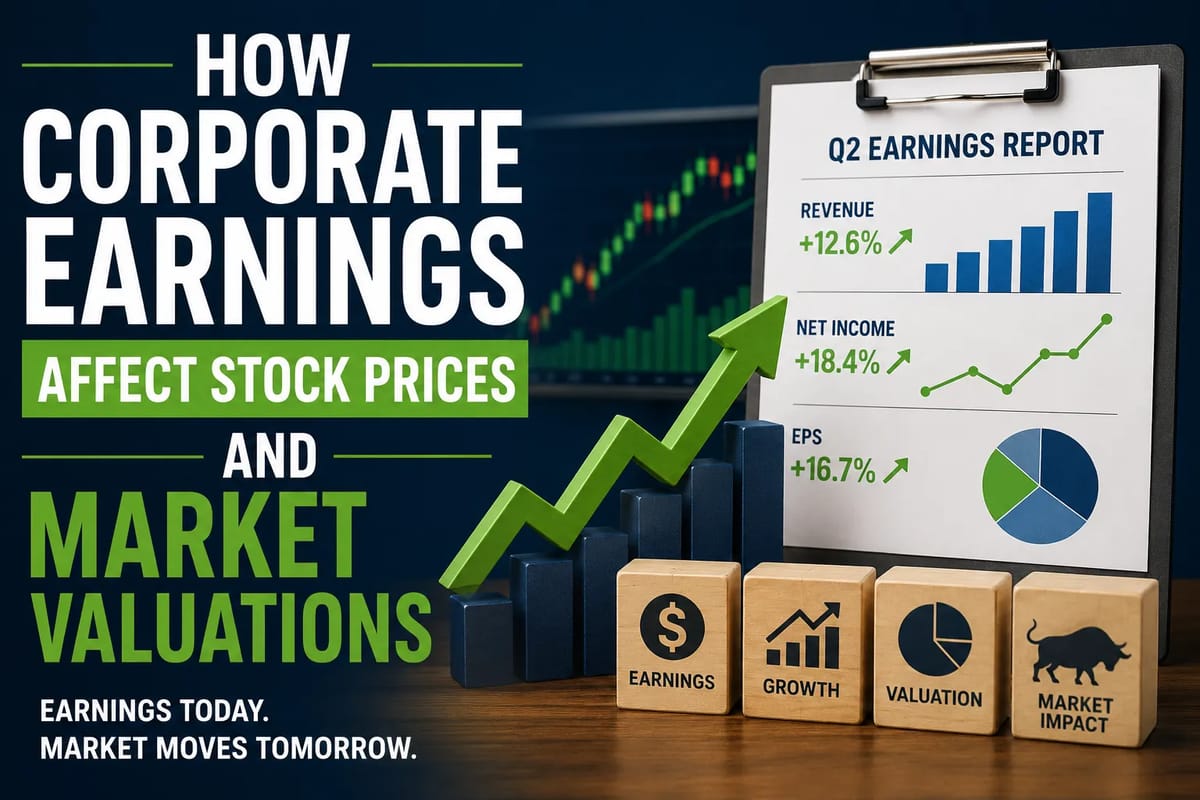
How Corporate Earnings Affect Stock Prices and Market Valuations
Understanding the relationship between earnings, expectations and valuation helps explain why corporate results can move individual stocks and, when the companies involved are large enough, influence entire markets.
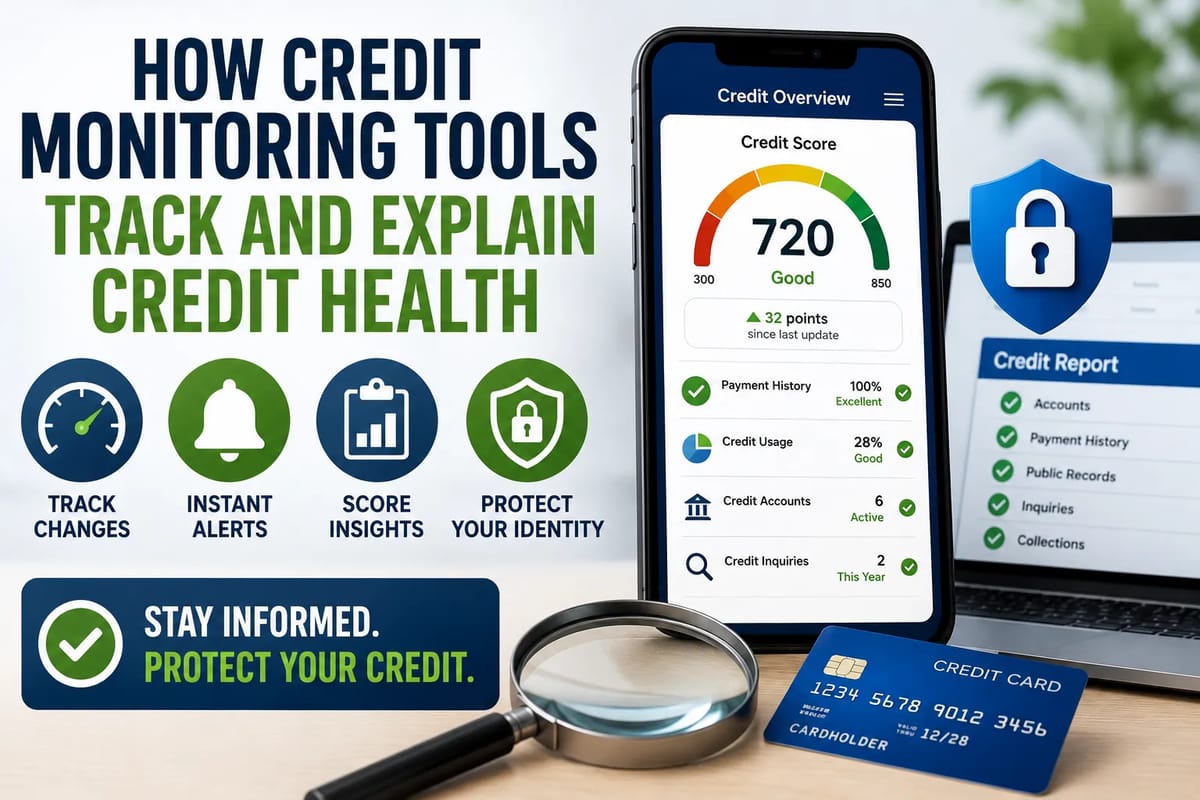
How Credit Monitoring Tools Track and Explain Credit Health
These services can track changes in credit reports, provide alerts when certain activity occurs and translate complicated credit information into scores, summaries and explanations. They can help consumers identify potential problems earlier, understand what is affecting their credit and develop better financial habits.

How Major Life Changes Can Affect Your Taxes
Understanding these effects as they happen can make tax planning easier and reduce the risk of unpleasant surprises later.

How to Choose the Right Bank Account for Your Financial Needs
The right choice starts with understanding what you actually need from a bank account rather than simply choosing the most familiar bank or the account with the most features.

How to Manage Household Bills and Monthly Expenses
A practical system starts with knowing what comes in, understanding what goes out, organizing bills by priority and creating enough flexibility for irregular expenses. Once those basics are in place, managing monthly finances becomes less about constantly worrying about money and more about following a routine.

What Passive Income Really Means and How Passive Income Works
Understanding that distinction is important for anyone considering passive income as part of a broader financial strategy.
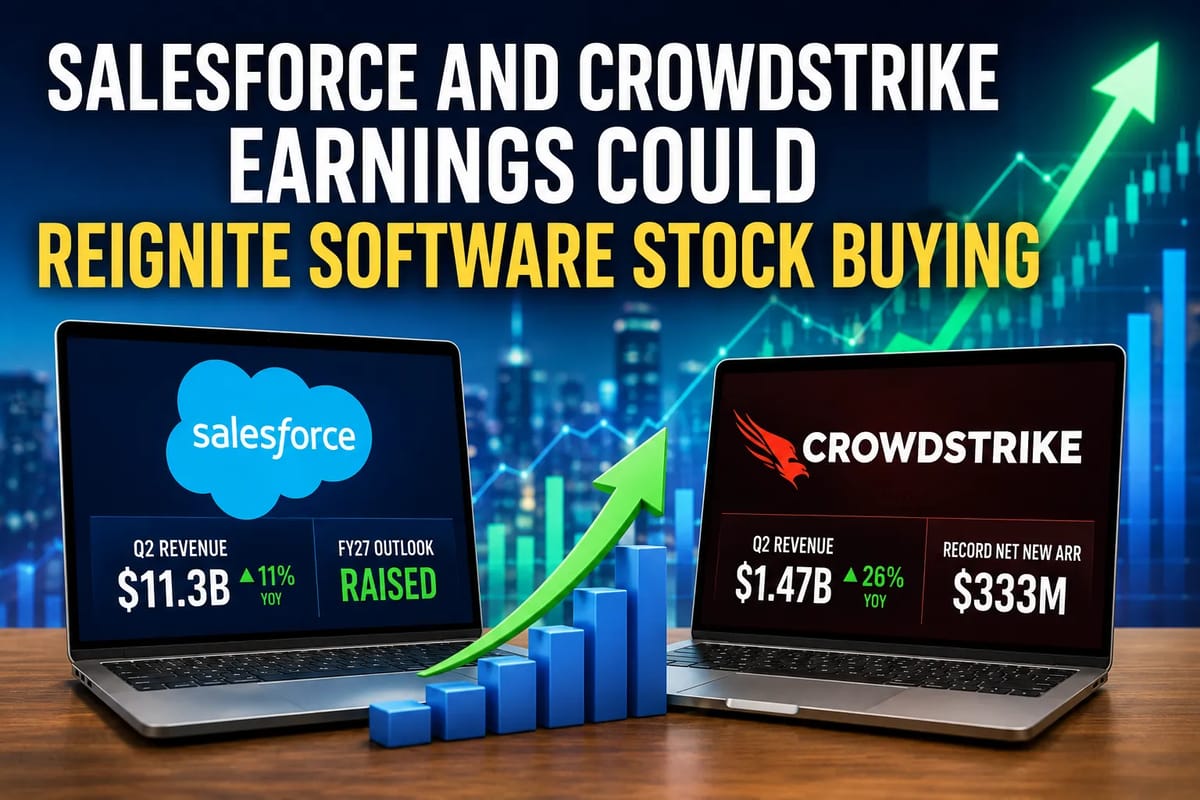
Salesforce and CrowdStrike Earnings Could Reignite Software Stock Buying
That debate has weighed on parts of the sector as investors reassessed subscription models, pricing power and the possibility that AI agents could replace some of the applications people use today. This week's results from **Salesforce** and **CrowdStrike** offer investors a more encouraging counterpoint.
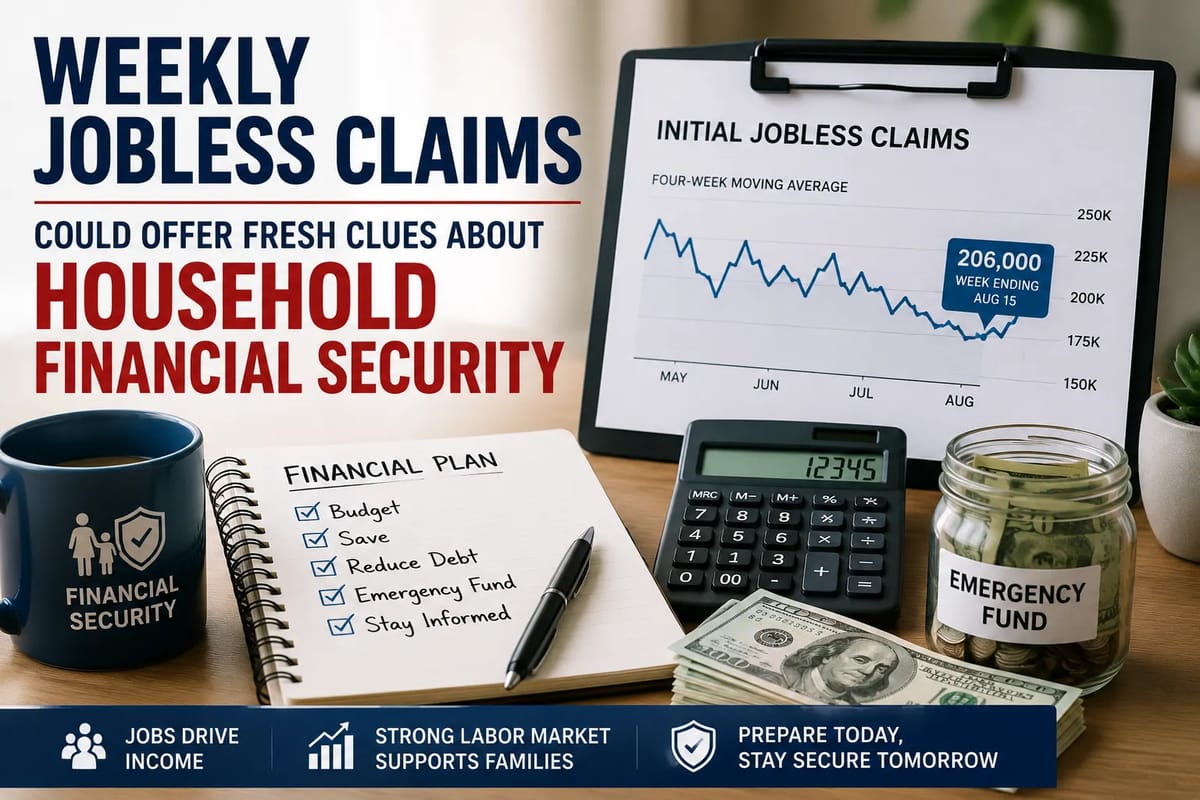
Weekly Jobless Claims Could Offer Fresh Clues About Household Financial Security
That makes weekly jobless claims an important economic indicator even though the numbers can seem far removed from everyday budgeting. When fewer people file for unemployment benefits, it can signal that layoffs remain contained. When claims begin rising persistently, the trend can point to increasing pressure in the labor market—and potentially greater financial stress for households.
Popular Posts