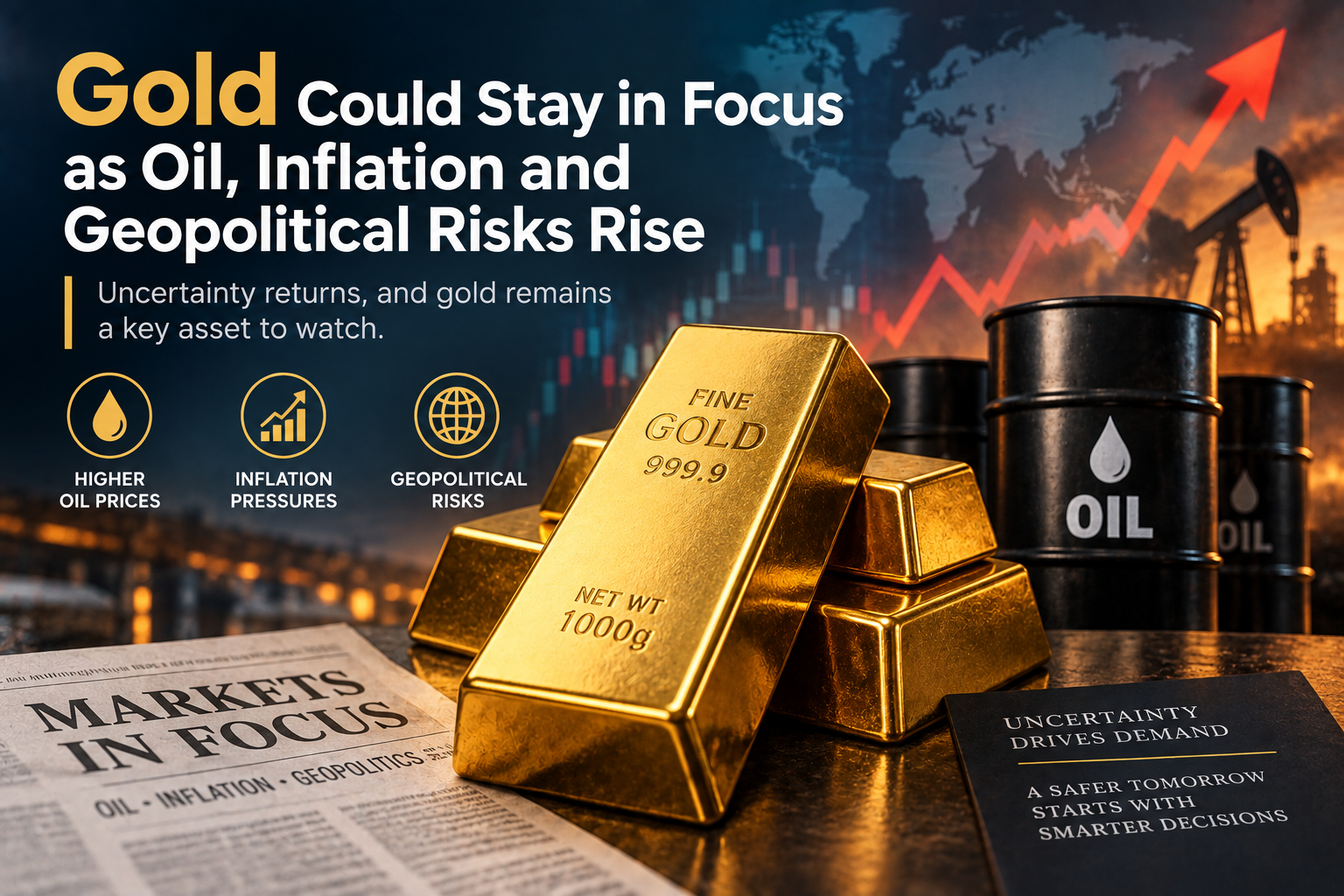
Gold Could Stay in Focus as Oil, Inflation and Geopolitical Risks Rise
Gold is once again drawing attention from investors as a combination of elevated oil prices, persistent inflation pressures and geopolitical uncertainty creates a complicated backdrop for global markets.
The precious metal has faced competing forces in September. Higher interest rates and Treasury yields can weigh on gold because the asset does not generate interest income, while concerns about inflation, energy prices and geopolitical instability can strengthen demand for gold as a store of value and a potential hedge.
That push and pull has produced sharp price movements, but it has also kept gold firmly on the radar as investors assess what could come next for financial markets.
Oil Prices Are Adding a New Layer of Inflation Risk
One of the biggest issues for markets is the renewed rise in crude oil prices.
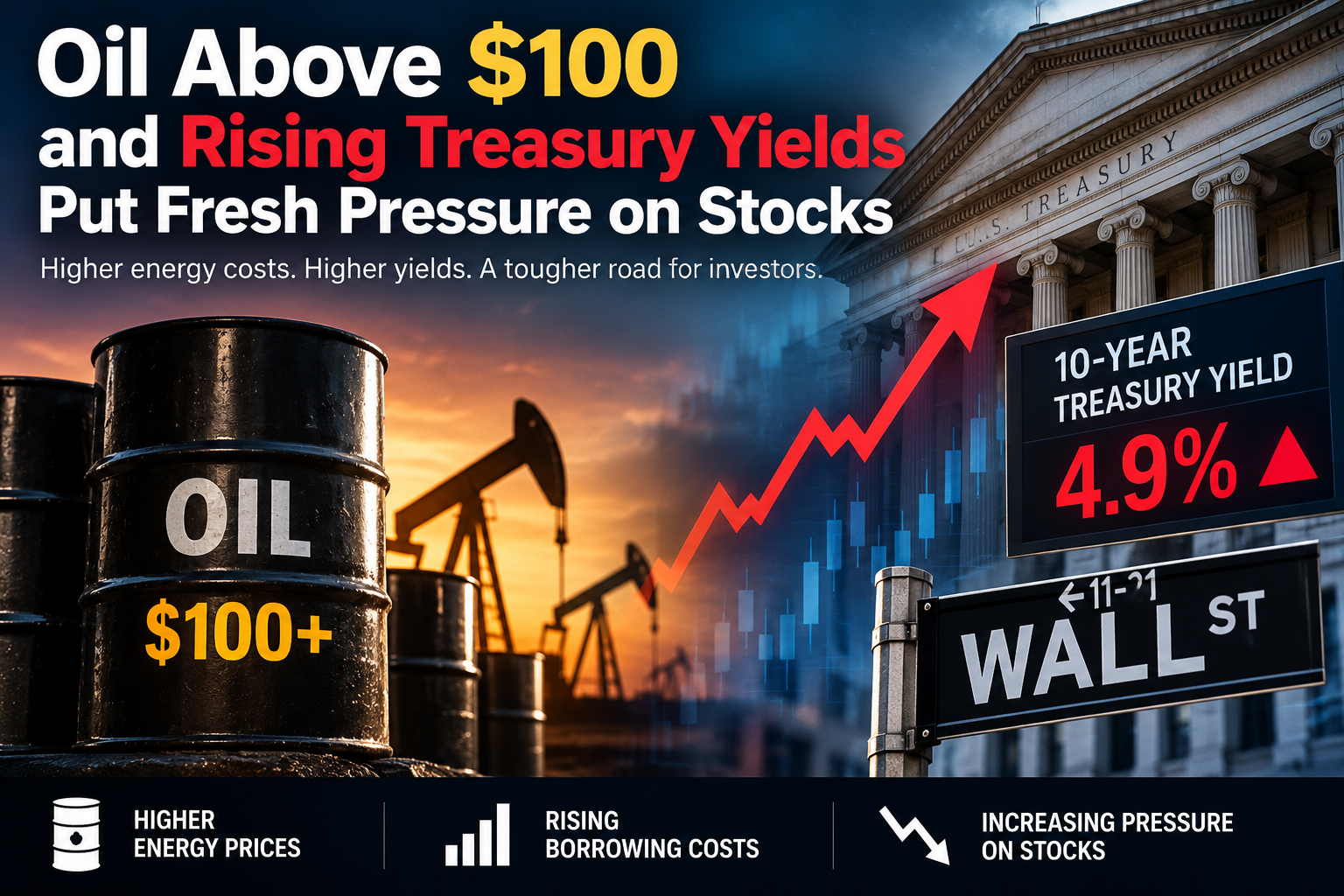
Brent crude recently moved above $100 a barrel as geopolitical developments in the Middle East raised concerns about disruptions to global energy supplies. Higher oil prices can feed directly into fuel and transportation costs while also increasing expenses for businesses across a wide range of industries.
For investors, the problem is that an energy-driven inflation shock can be more difficult for central banks to address. Raising interest rates can reduce demand in the economy, but it cannot directly increase oil supplies or resolve a geopolitical disruption.
That creates a difficult environment for monetary policymakers and markets alike.
Gold’s relationship with inflation is also more complicated than simply assuming that higher consumer prices automatically mean higher gold prices. Interest rates, real yields, the U.S. dollar, investor positioning and expectations about future monetary policy can all influence bullion at the same time.
Gold Is Facing Both Supportive and Negative Forces
The current environment illustrates why gold can move in either direction even when several factors appear supportive.
On one side, geopolitical uncertainty and inflation concerns can encourage investors to seek assets perceived as stores of value. On the other, higher interest rates and rising bond yields can increase the opportunity cost of holding an asset that does not pay interest.
That tension has been visible in recent trading.
Gold rebounded by more than 1% on September 17, reaching around $4,308.57 an ounce, after falling to a nearly six-week low the previous day. Reuters reported that the recovery came as the dollar weakened and oil prices eased, while investors reassessed positions following the Federal Reserve’s latest rate decision.
The move demonstrates how quickly sentiment can change when several major market variables are moving simultaneously.
Investors seeking a broader explanation of how different asset classes interact can also look at the Complete Guide to Financial Markets and How They Work.
Interest Rates Remain a Major Gold Driver
The Federal Reserve remains central to the gold story.
The U.S. central bank raised its benchmark interest rate by 25 basis points this week, taking the target range to 3.75%–4%. The decision reflected continuing concerns about inflation, while policymakers indicated that additional tightening could remain possible.
Higher interest rates can create headwinds for gold because investors have more opportunities to earn returns from interest-bearing assets.
But the relationship is not always straightforward.
If investors become increasingly concerned that inflation will remain elevated despite tighter monetary policy, demand for gold can receive support. Similarly, if geopolitical risks remain high, investors may continue to value gold for reasons that go beyond its relationship with interest rates.
This means the direction of gold may depend heavily on whether markets focus more on higher yields or on broader economic and geopolitical uncertainty.
Inflation Could Keep Gold in the Conversation
Inflation remains another important variable.
Recent U.S. data have shown renewed price pressures, with energy costs becoming a particularly important concern. August producer prices increased 0.4% from the previous month and were 5.4% higher than a year earlier, according to reporting on the latest inflation data.
Energy prices can affect inflation through several channels. Higher gasoline and heating costs directly affect households, while more expensive transportation and production can eventually raise prices for goods and services.
For gold investors, the important question is not simply whether inflation is high. What matters is how inflation affects monetary policy, real interest rates, currency markets and expectations.
If inflation remains persistent and investors believe policymakers may struggle to bring it under control quickly, gold can attract renewed attention.
Geopolitical Risk Adds to the Appeal of Safe-Haven Assets
Geopolitical uncertainty is another reason gold could remain prominent.
The ongoing conflicts and tensions affecting the Middle East have created concerns about energy supplies and broader economic stability. Oil prices have responded sharply to developments involving regional supply routes and production infrastructure.
Gold has historically attracted demand during periods of uncertainty because it is not directly tied to the financial health of a particular company or government.
However, that does not mean gold automatically rises whenever geopolitical tensions increase. Investors can also sell gold to raise cash during periods of severe market stress, while stronger interest rates or a rising dollar can offset safe-haven demand.
The result is a market in which geopolitical developments can support gold without guaranteeing a particular price outcome.
Central Banks Continue to Matter
Another important part of the gold market is demand from central banks.
The World Gold Council reported that central banks and other official institutions purchased a net 289 tonnes of gold in the second quarter of 2026. That was substantially higher than the revised first-quarter figure of 57 tonnes.
The organization also reported that central banks continued to view gold as important for reserve diversification and protection against geopolitical and financial-market uncertainty.
That demand matters because central-bank purchases can provide a structural source of support for the gold market that is separate from short-term speculative trading.
The World Gold Council expects central banks to remain significant buyers through the rest of 2026, although the pace of purchases can vary from quarter to quarter.
Gold’s Recent Price History Shows How Volatile the Market Can Be
Gold has already experienced substantial price swings this year.
The World Gold Council reported that the LBMA gold price reached a historical high of $5,405 per ounce in January before experiencing a notable correction. The first-quarter average was also a record $4,873 per ounce.
More recently, gold has traded considerably below those earlier highs.
That history is important because it demonstrates that strong long-term demand does not prevent short-term corrections. Gold can experience significant declines even when the broader investment case remains intact.
The recent Gold Nears $4,400: Why Investors Are Turning to Gold Again in 2026 provides additional context on the factors that have brought gold back into focus this year.
Gold and Oil Can Send Conflicting Signals
The relationship between gold and oil deserves particular attention in the current environment.
A rise in oil prices can be supportive for gold if it increases inflation expectations or raises concerns about geopolitical stability. At the same time, higher oil prices can encourage central banks to maintain tighter monetary policies, which can put pressure on gold.
This creates a feedback loop for markets.
Investors may initially interpret higher oil prices as an inflation warning. That can push bond yields higher as traders anticipate tighter monetary policy. Higher yields can then reduce the attractiveness of gold.
But if oil prices rise because of a major geopolitical disruption, investors may simultaneously increase their demand for safe-haven assets.
The eventual impact on gold therefore depends on which of these forces becomes dominant.
Understanding how commodity markets work can help put these relationships into perspective, particularly because energy and precious metals respond to different combinations of supply, demand, monetary policy and geopolitical developments.
Stock Market Volatility Could Influence Gold Demand
Gold does not exist in isolation from the stock market.
When equity markets become more volatile, investors sometimes reassess portfolio allocations and look for assets that may behave differently from stocks. But gold can also fall alongside other assets when investors need to raise cash quickly.
The key issue is therefore not simply whether stocks decline. Investors also need to consider why stocks are falling and how bond yields, the dollar, liquidity and expectations for monetary policy are responding.
The relationship becomes particularly important when inflation and geopolitical risks are affecting multiple asset classes simultaneously.
A closer look at how stock market volatility works and what causes market volatility helps explain why periods of uncertainty can produce rapid changes across stocks, bonds, currencies and commodities.
What Investors Will Be Watching Next
Several factors are likely to remain important for gold as markets move through the rest of 2026.
Oil Prices
A sustained period of elevated crude prices could keep inflation concerns alive and complicate central-bank decisions. Conversely, a meaningful decline in oil prices could reduce some of the inflation pressure currently affecting markets.
U.S. Inflation Data
Future inflation reports will help investors assess whether recent price pressures are temporary or becoming more persistent.
Federal Reserve Policy
The path of U.S. interest rates will remain one of gold’s most important short-term drivers. Additional rate increases could create pressure through higher yields, while signs that the tightening cycle is nearing an end could change the balance.
Treasury Yields and the Dollar
Gold is particularly sensitive to movements in real yields and the U.S. dollar. A stronger dollar can make gold more expensive for buyers using other currencies, while higher real yields can increase the appeal of interest-bearing assets.
Geopolitical Developments
Any escalation or de-escalation of major conflicts could quickly alter demand for safe-haven assets and change the outlook for oil prices.
Central-Bank Purchases
Official-sector demand remains an important structural component of the gold market. Continued purchases could help support demand even when short-term investment flows become more volatile.
Why Gold Could Remain on Investors’ Radar
Gold enters the next phase of 2026 facing an unusually complicated combination of forces.
Higher interest rates and elevated yields create headwinds, while inflation concerns, geopolitical uncertainty and continued central-bank buying provide potential sources of demand. Oil prices add another layer of complexity because they can simultaneously increase inflation risks and strengthen demand for defensive assets.
The World Gold Council expects investment demand to remain constructive through the rest of 2026, with geopolitical uncertainty, inflation concerns and limited alternative investment options among the factors supporting demand. It also expects central banks to remain significant buyers.
That does not eliminate the possibility of sharp corrections. Gold has already demonstrated how quickly prices can respond to changes in interest-rate expectations, the dollar, oil and investor positioning.
For investors watching the market, the bigger story may therefore be less about whether gold moves in one particular direction and more about how these competing forces develop. With oil, inflation, monetary policy and geopolitical risks all influencing financial markets at the same time, gold is likely to remain an asset receiving close attention.