Americans Are Saving More as Consumer Spending Growth Slows
The numbers do not suggest that Americans have stopped spending. Instead, they point to consumers becoming somewhat more selective about where their money goes as households continue to deal with elevated prices and an uncertain economic environment.

How Families Can Plan and Save for Education Costs
A thoughtful education savings strategy can help families spread costs over time, prepare for unexpected expenses and make informed decisions about the type of education they can comfortably afford.
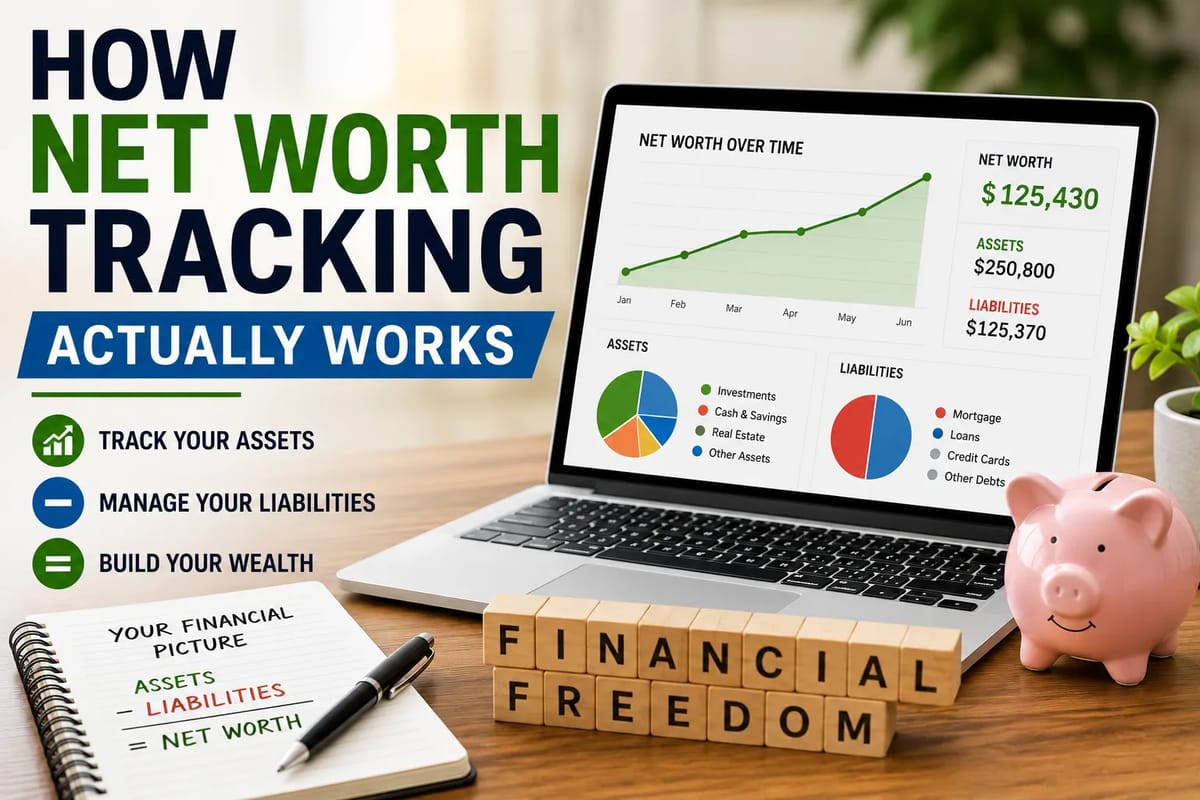
How Net Worth Tracking Actually Works
Tracking it regularly can help you understand whether your financial position is improving, identify areas that need attention and make better decisions about saving, investing and debt.

How Payment Systems Work and How Money Moves Between Accounts
Understanding how payment systems work helps explain why some payments are instant while others take hours or days, why transactions can sometimes be reversed and why sending money does not always mean that physical cash is moving between banks.
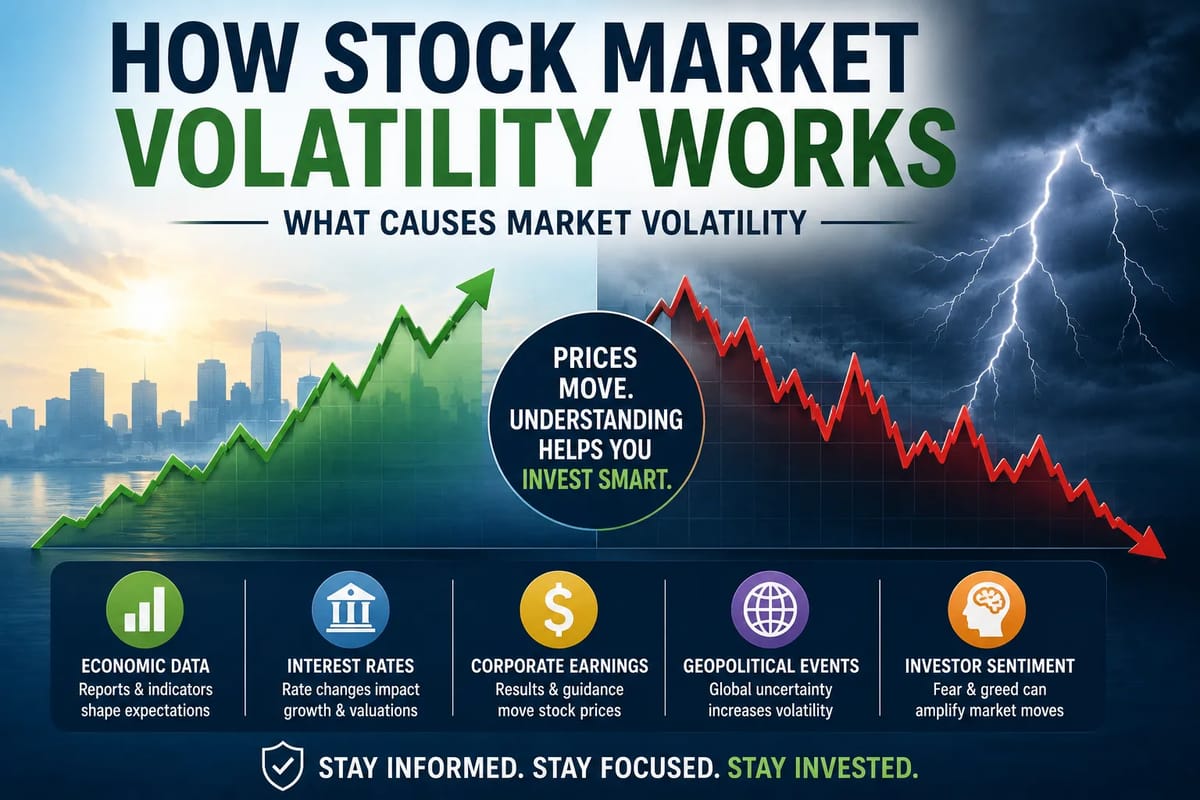
How Stock Market Volatility Works and What Causes Market Volatility
In simple terms, **stock market volatility measures how much and how quickly stock prices fluctuate over time**. Understanding what causes those fluctuations can help investors put market movements into perspective and make more informed decisions.

How Tax Brackets and Marginal Rates Work
Understanding the difference can make it easier to interpret a paycheck, evaluate a raise, estimate a tax bill and make better financial decisions.

How to Negotiate Your Salary and Compensation
The key is preparation. Knowing your market value, understanding what the employer needs and approaching the conversation professionally can make it easier to negotiate without damaging the working relationship.
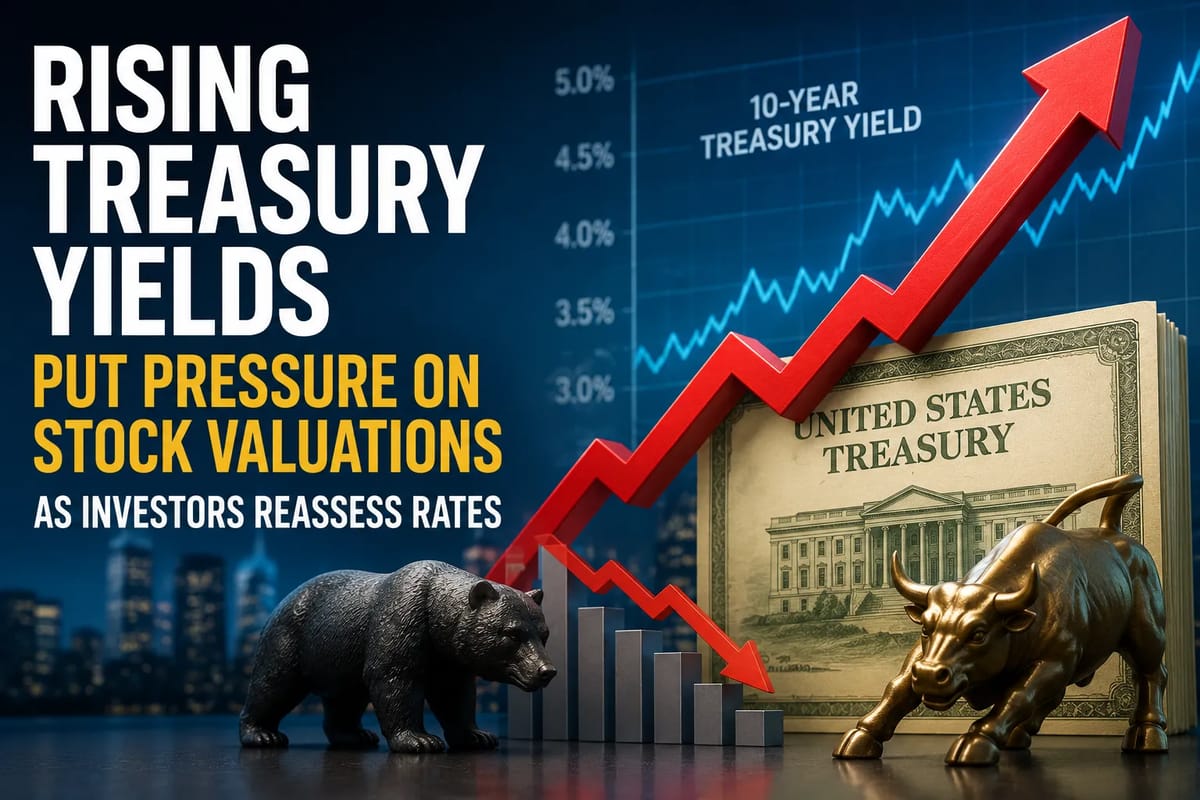
Rising Treasury Yields Put Pressure on Stock Valuations as Investors Reassess Rates
The move is particularly important because Treasury yields influence the return investors demand from a wide range of assets. When government bond yields rise, stocks have to compete with a more attractive relatively low-risk alternative.
Popular Posts