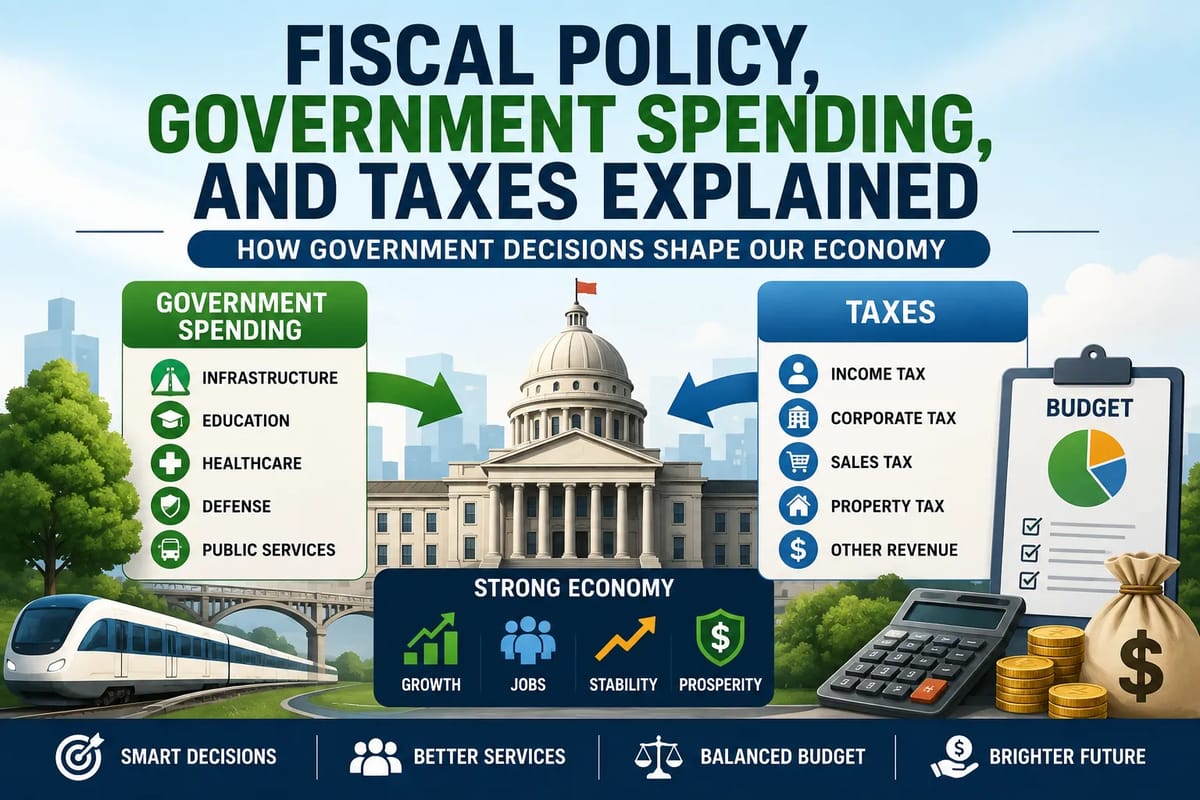
Fiscal Policy, Government Spending, and Taxes Explained
Understanding how fiscal policy works makes it easier to interpret economic developments and understand why government budget decisions can have consequences far beyond government agencies themselves.

How Families Can Plan Financially for Major Purchases
The challenge is not simply finding enough money to make the purchase. Families also need to consider whether they can afford the ongoing costs, how the purchase will affect other financial goals and whether borrowing is necessary.

How Investing Tools and Platforms Help Investors Research and Manage Investments
Understanding what these tools actually do—and where their limitations lie—can help investors use technology more effectively.

How Student Loans Work and How Repayment Works
A student loan is essentially borrowed money that must generally be repaid with interest. Understanding how student loans work before borrowing—and how repayment works afterward—can make the debt much easier to manage.

How to Build an Investment Plan for Long-Term Goals
Whether the goal is retirement, buying a home, paying for education, building financial independence, or creating a future source of income, an investment plan can turn a broad financial ambition into a series of measurable decisions.

Remote Work and Online Employment Explained
Understanding how these arrangements work can help workers identify legitimate opportunities, choose suitable roles and build the skills needed to remain productive outside a traditional workplace.
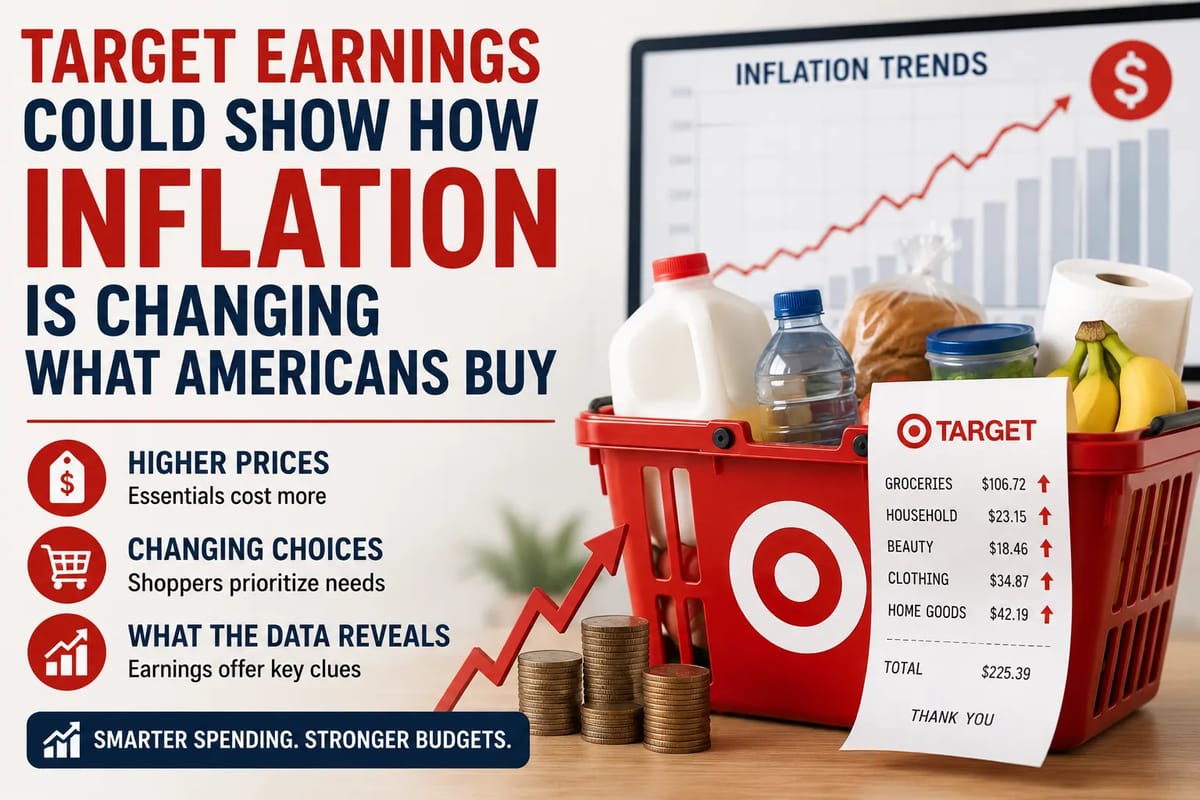
Target Earnings Could Show How Inflation Is Changing What Americans Buy
The report arrives after a period of mixed signals. U.S. retail sales fell 0.6% from June to July, while recent inflation data showed some moderation. Analysts are therefore watching major retailers closely for evidence of whether consumers are still spending confidently or becoming more selective.
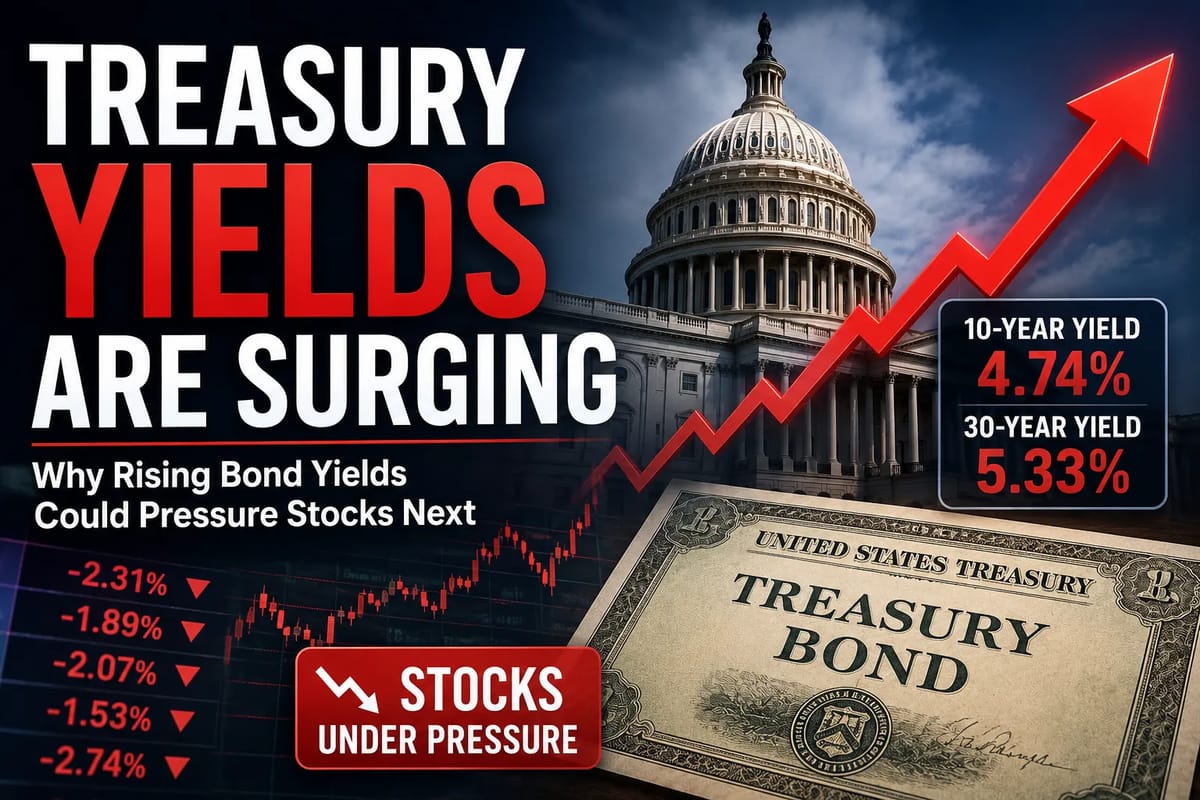
Treasury Yields Are Surging: Why Rising Bond Yields Could Pressure Stocks Next
That matters for stock investors because Treasury yields influence everything from corporate borrowing costs to mortgage rates and the valuation investors place on future corporate profits.
Popular Posts