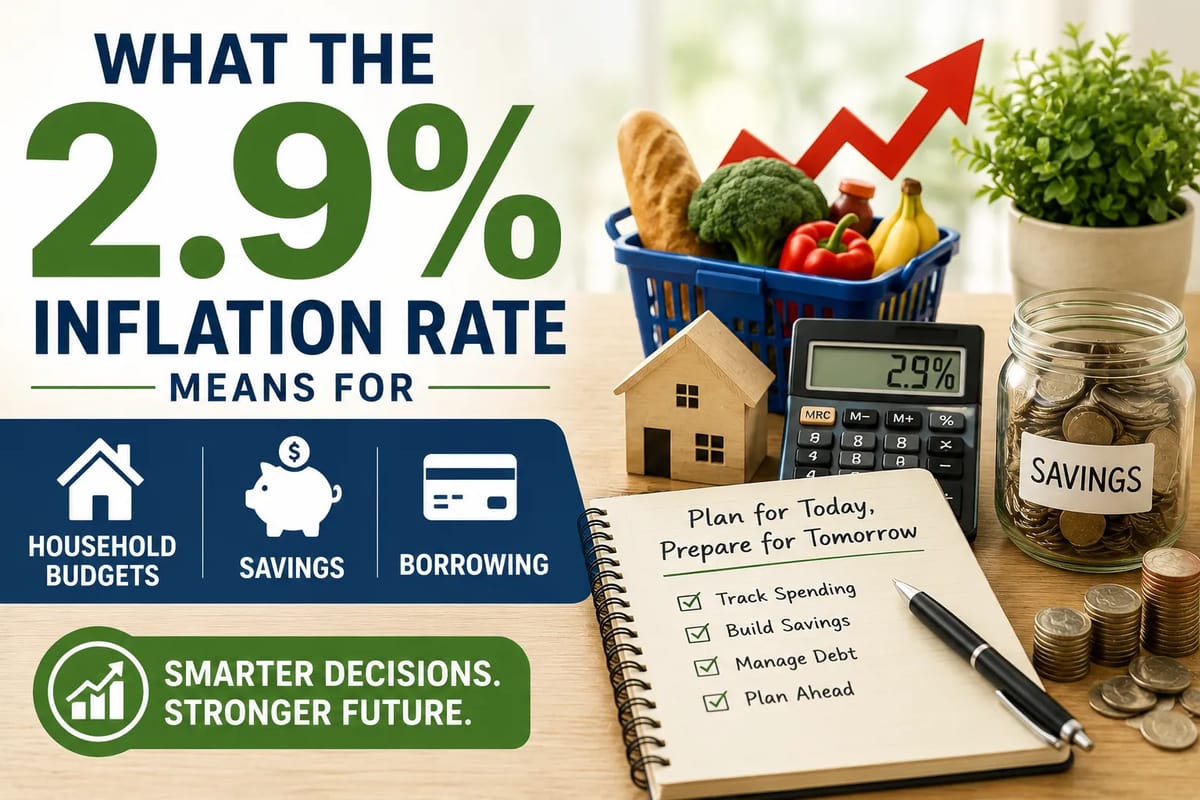
What the 2.9% Inflation Rate Means for Household Budgets, Savings and Borrowing
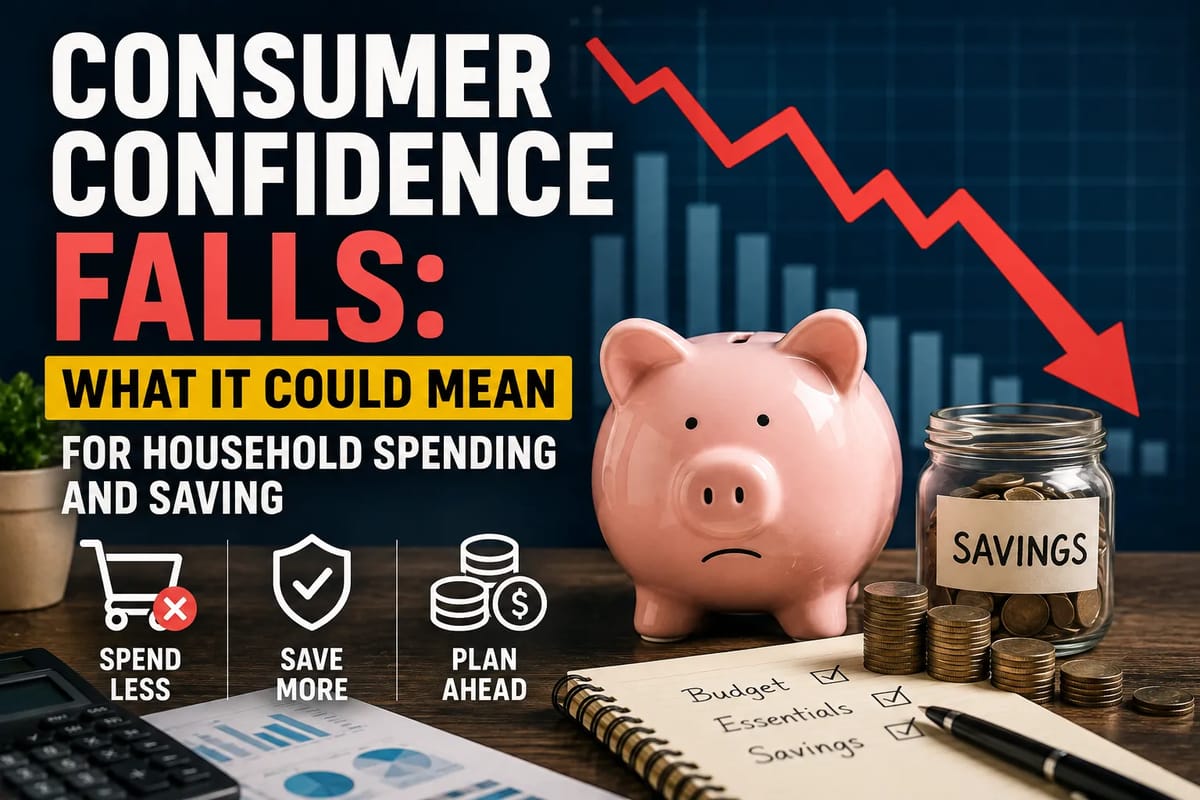
At the same time, inflation affects more than the weekly shopping bill. It can influence how much families save, how they manage debt, and how they think about large purchases.
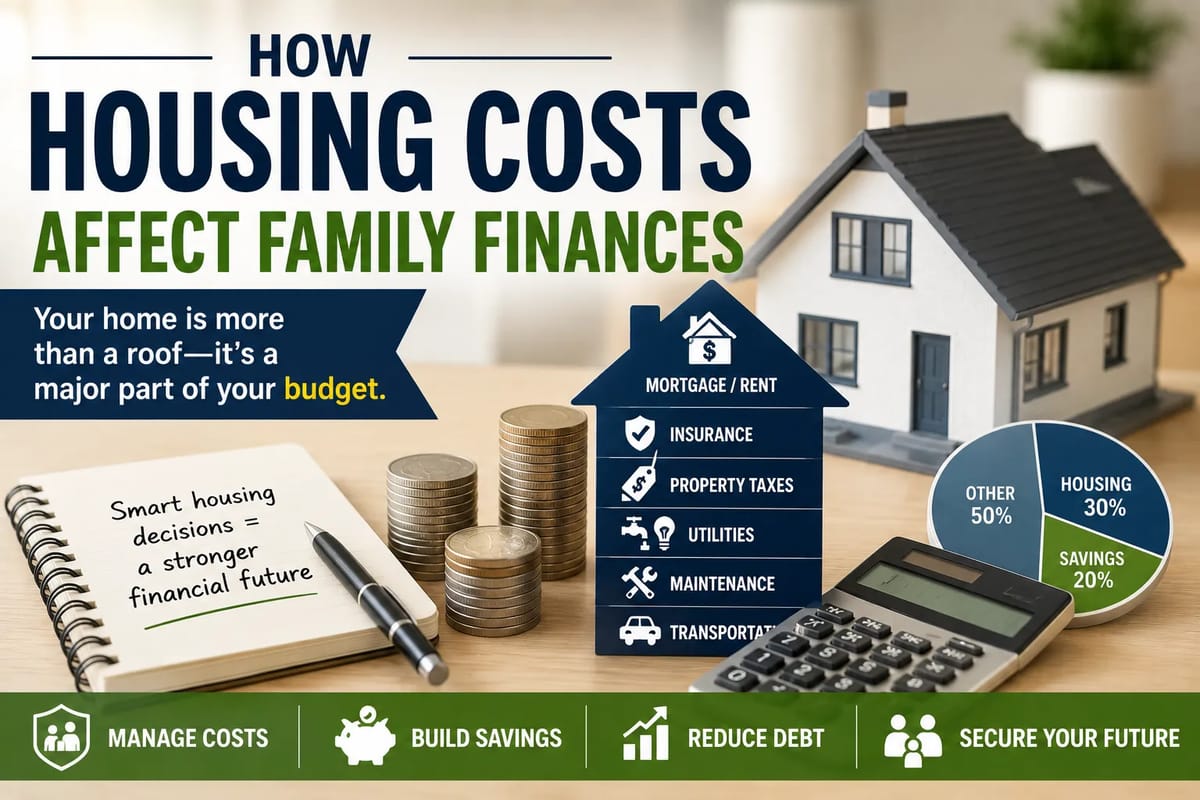
How Housing Costs Affect Family Finances
Understanding these costs can help families make better decisions about where they live, how much they spend and how housing fits into their broader financial goals.

How Insurance Protects Personal Financial Plans
Insurance is therefore not simply another monthly bill. When appropriately selected, it can be part of a broader financial strategy designed to protect income, assets, savings, and long-term goals.
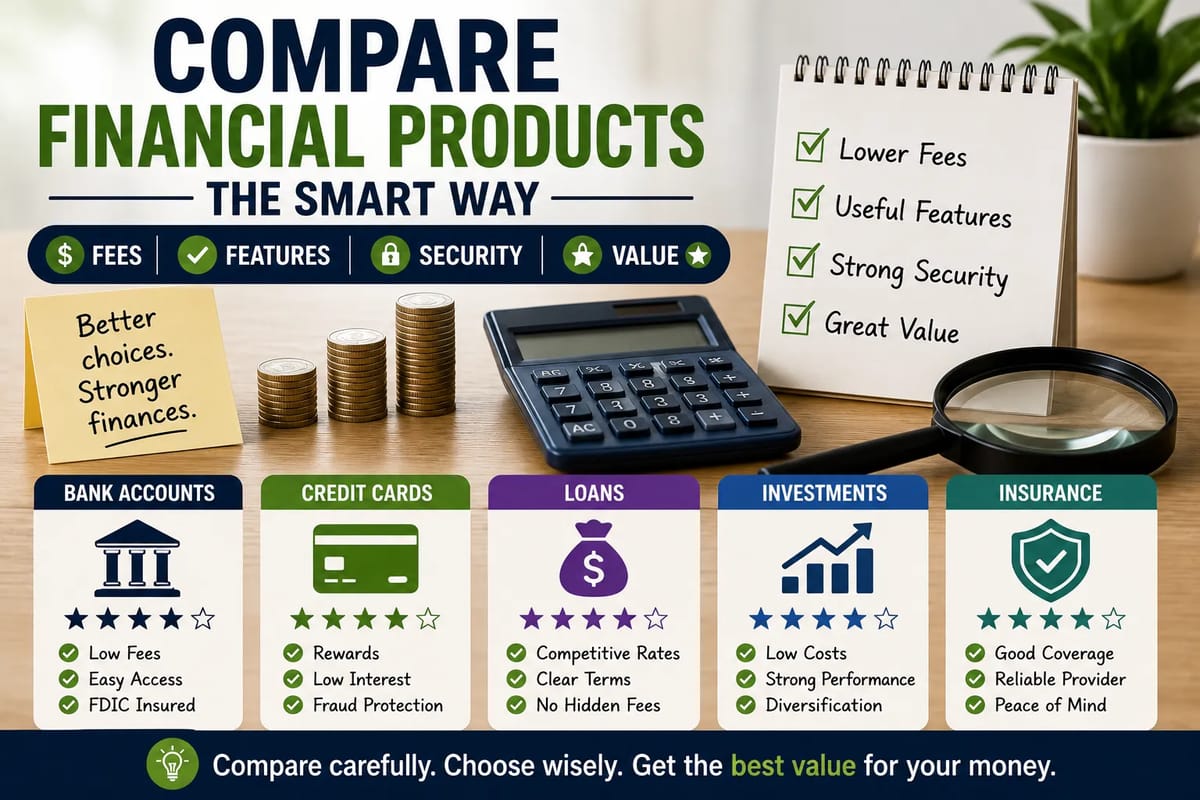
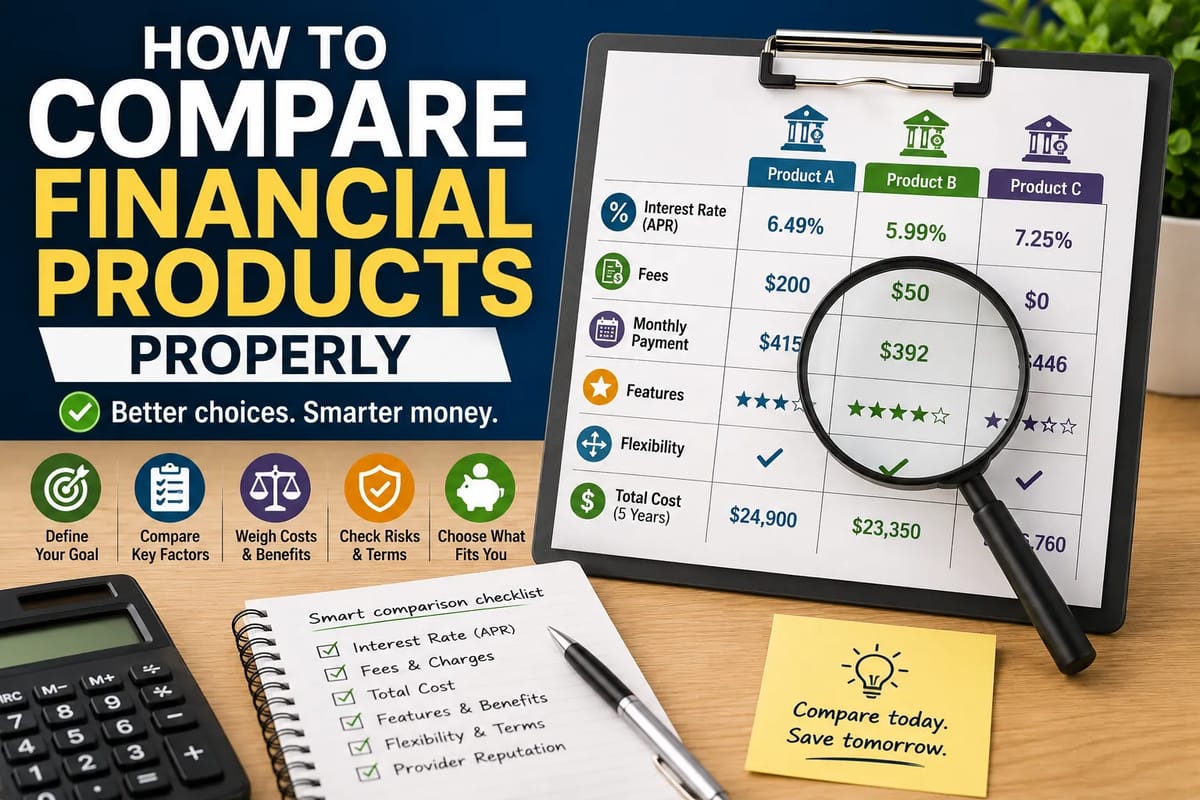
How to Compare Financial Products Based on Fees, Features, Security and Value
The goal is not to find the product with the longest list of benefits or the lowest headline price. It is to find the product that delivers the right combination of cost, functionality, protection and usefulness for your particular financial situation.

How to Protect Your Bank Account From Fraud
The good news is that protecting a bank account does not require extraordinary technical knowledge. Many of the most effective defenses involve simple habits: using strong authentication, monitoring transactions, questioning unexpected requests, protecting personal information, and contacting your bank quickly when something looks wrong.
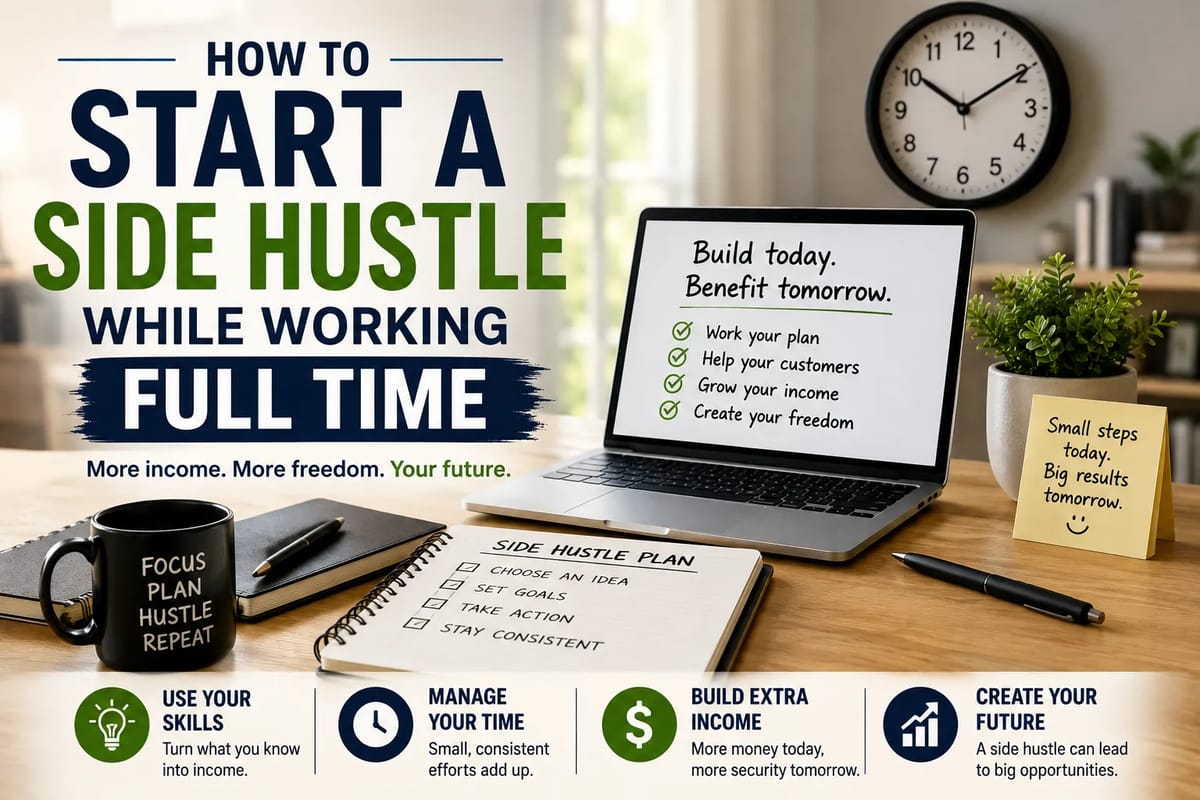
How to Start a Side Hustle While Working Full Time
Whether you want to earn extra money, build a future business or simply turn a useful skill into additional income, the process becomes much easier when you approach it deliberately.
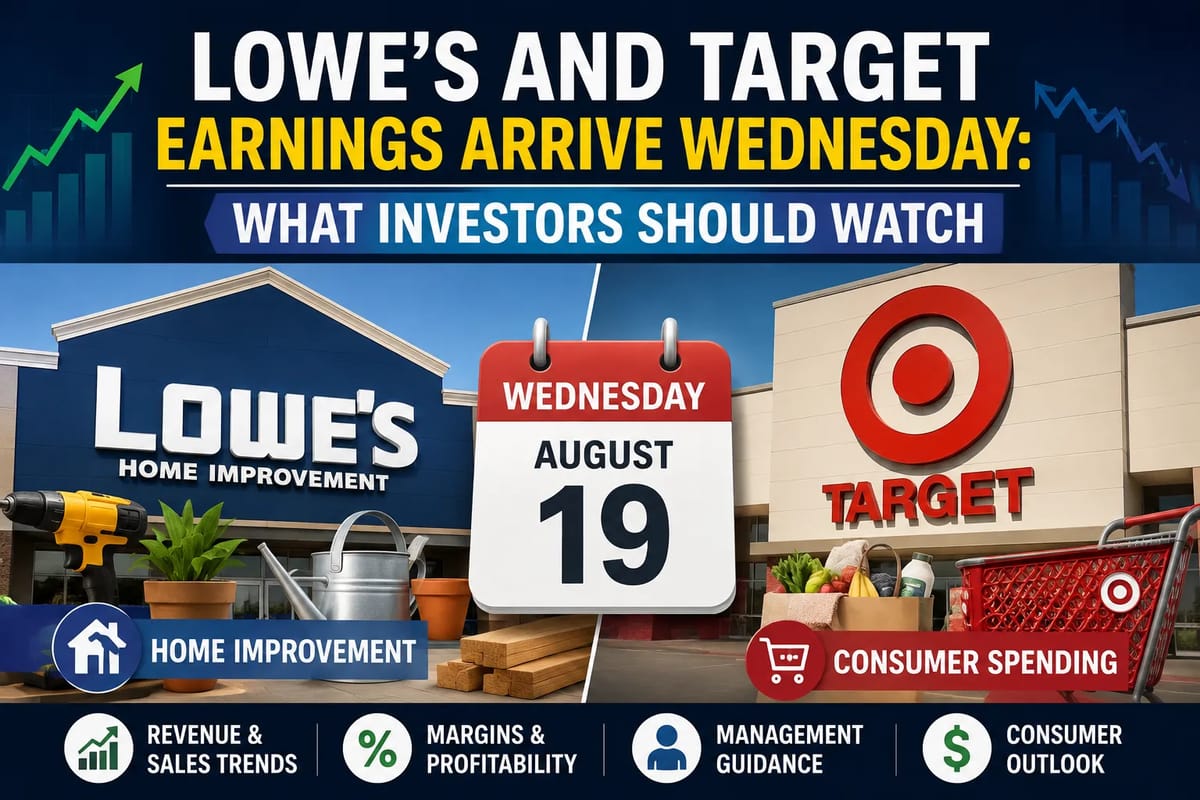
Lowe's and Target Earnings Arrive Wednesday: What Investors Should Watch
For investors, however, the most important question is unlikely to be whether either company simply beats or misses Wall Street's earnings estimate. It will be **what management says about the months ahead**.
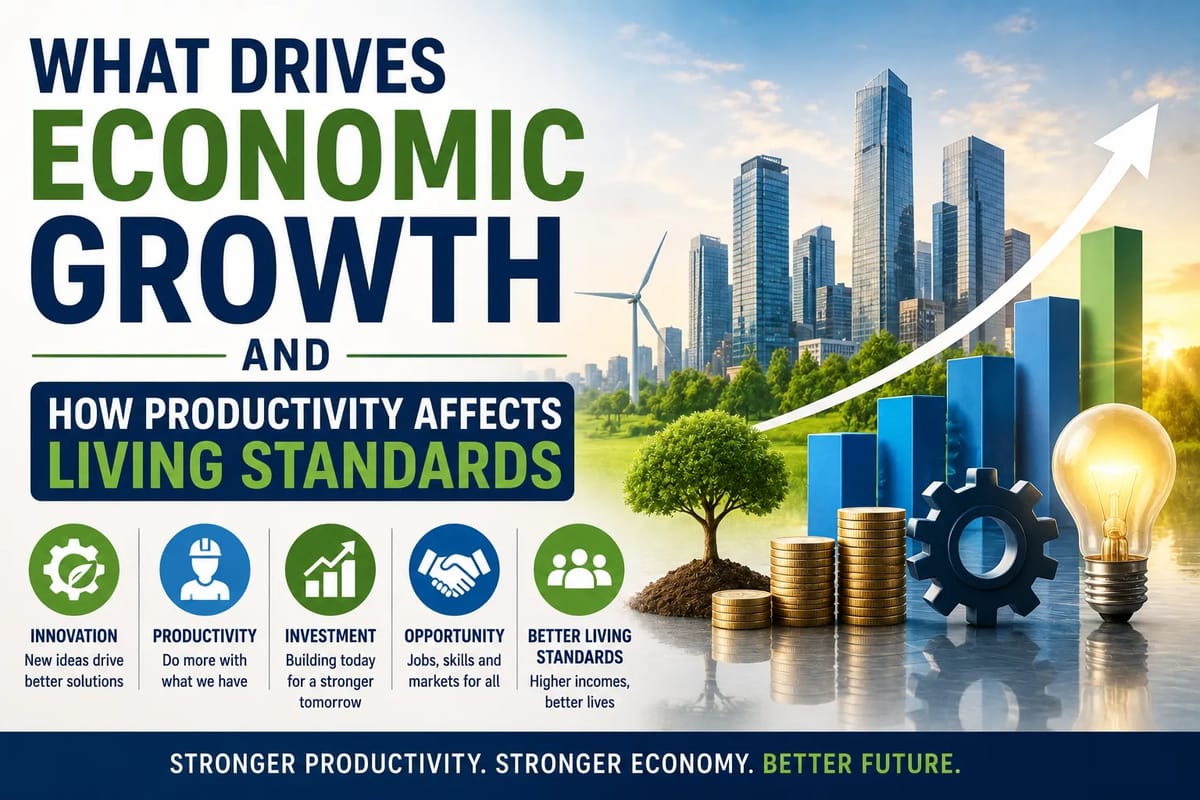
What Drives Economic Growth and How Productivity Affects Living Standards
Understanding the relationship between growth, productivity, investment, labor, technology, and living standards provides a useful framework for making sense of the broader economy.
Popular Posts