How Content Creators Make Money From Their Audience
Understanding these models is useful not only for aspiring creators but also for consumers who want to understand how the content they see online is financed.
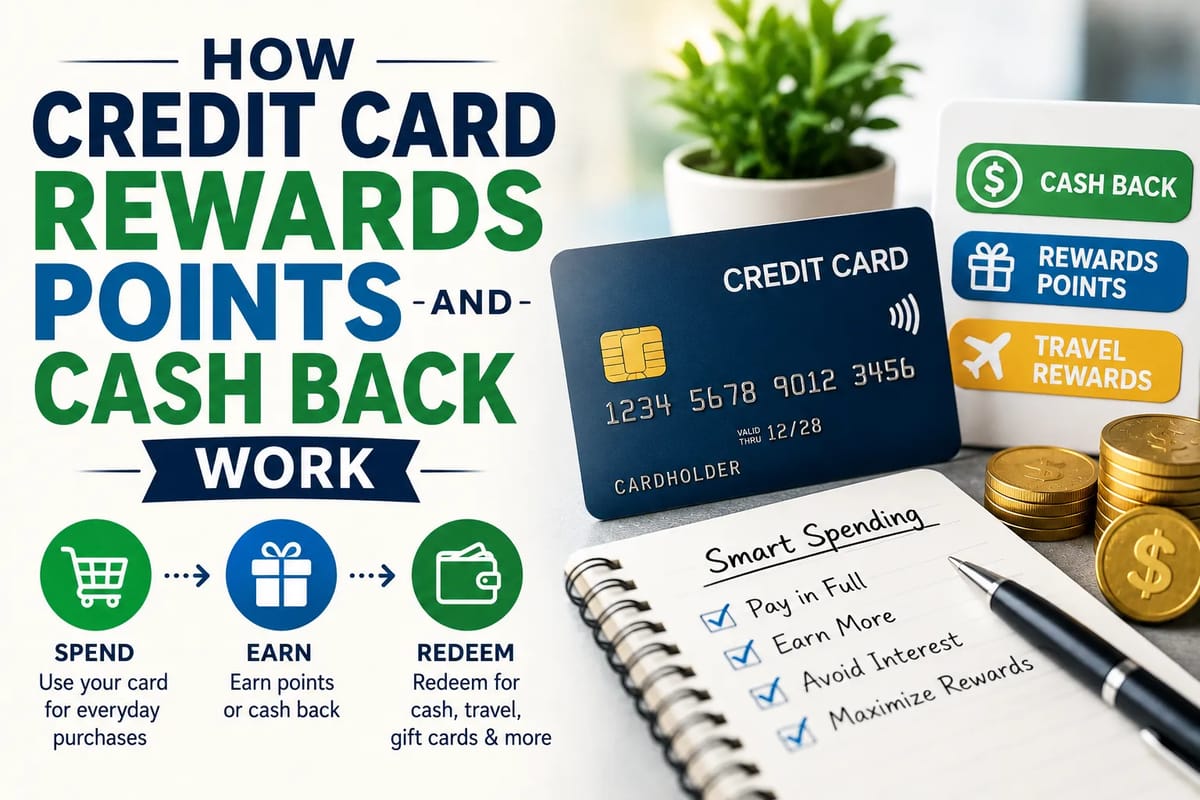
How Credit Card Rewards Points and Cash Back Work
The important part is understanding **how rewards are earned, what they are actually worth, how they can be redeemed and what it costs to earn them**. A rewards card is only financially useful when the value of the rewards outweighs the fees, interest and other costs associated with using the card.
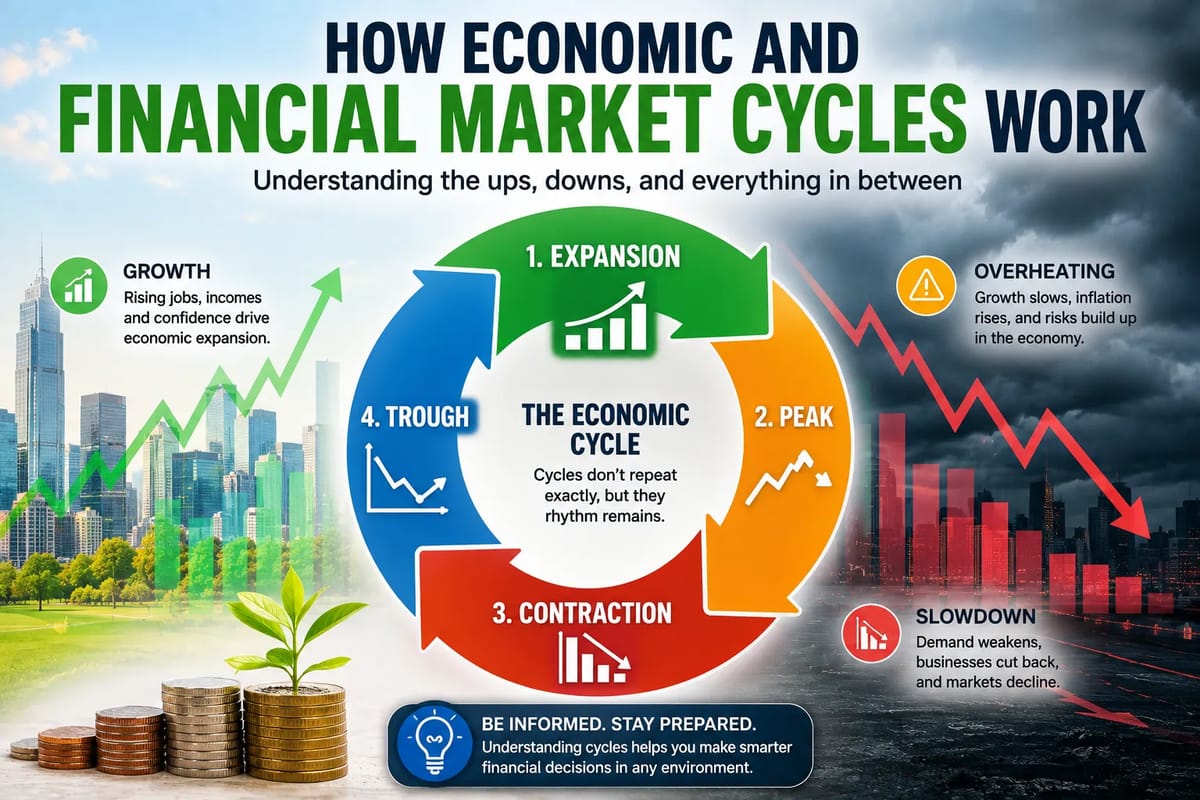
How Economic and Financial Market Cycles Work
Understanding how they work can help explain why interest rates change, why unemployment rises and falls, why stock markets sometimes experience prolonged declines and why investors often behave differently at different stages of the economic cycle.
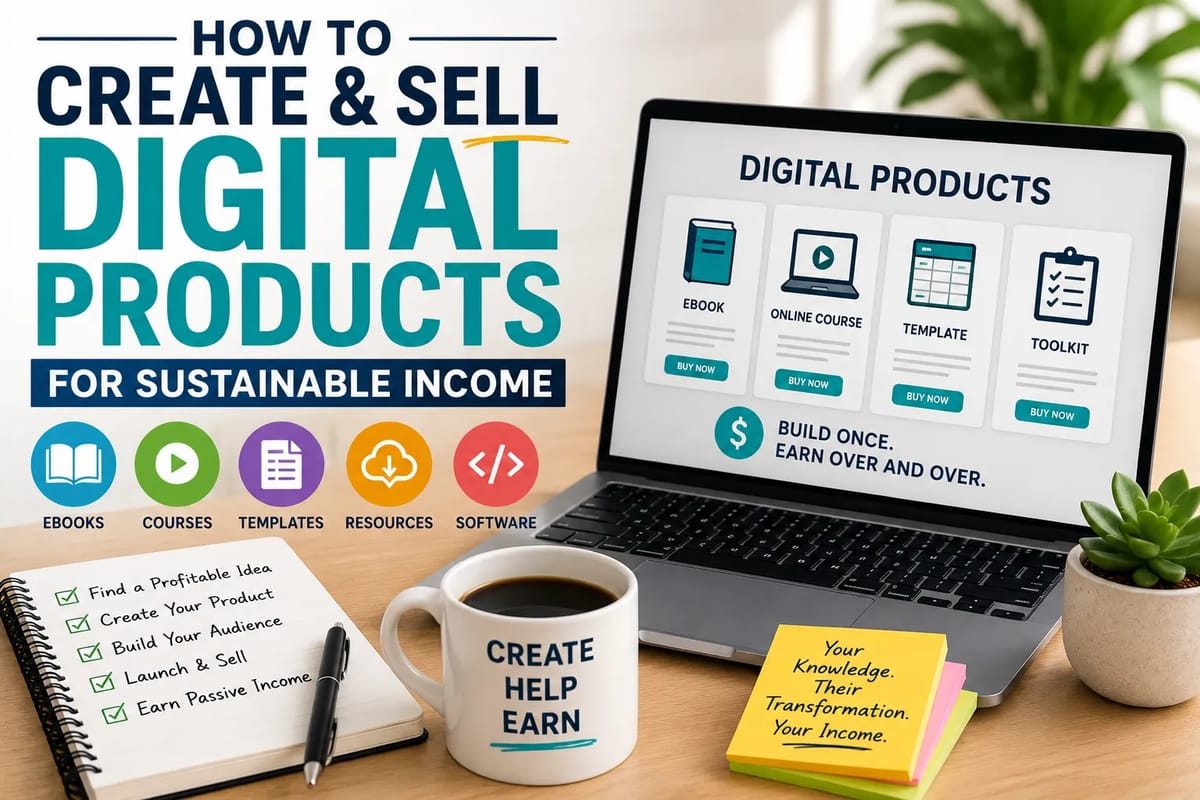
How to Create and Sell Digital Products for Sustainable Income
But creating a digital product does not automatically produce sustainable income. The strongest businesses usually begin with a specific customer problem, develop a useful solution, validate demand, and build a repeatable system for attracting and serving customers.

How to Evaluate Insurance Policies and Providers
Evaluating insurance properly means looking beyond the headline price and understanding what you are paying for, what risks are covered, and how the insurer is likely to respond when you need to make a claim.

How to Protect Your Family From Financial Scams
The good news is that many scams can be prevented by establishing simple financial-security habits and making sure everyone in the household understands how fraud works.
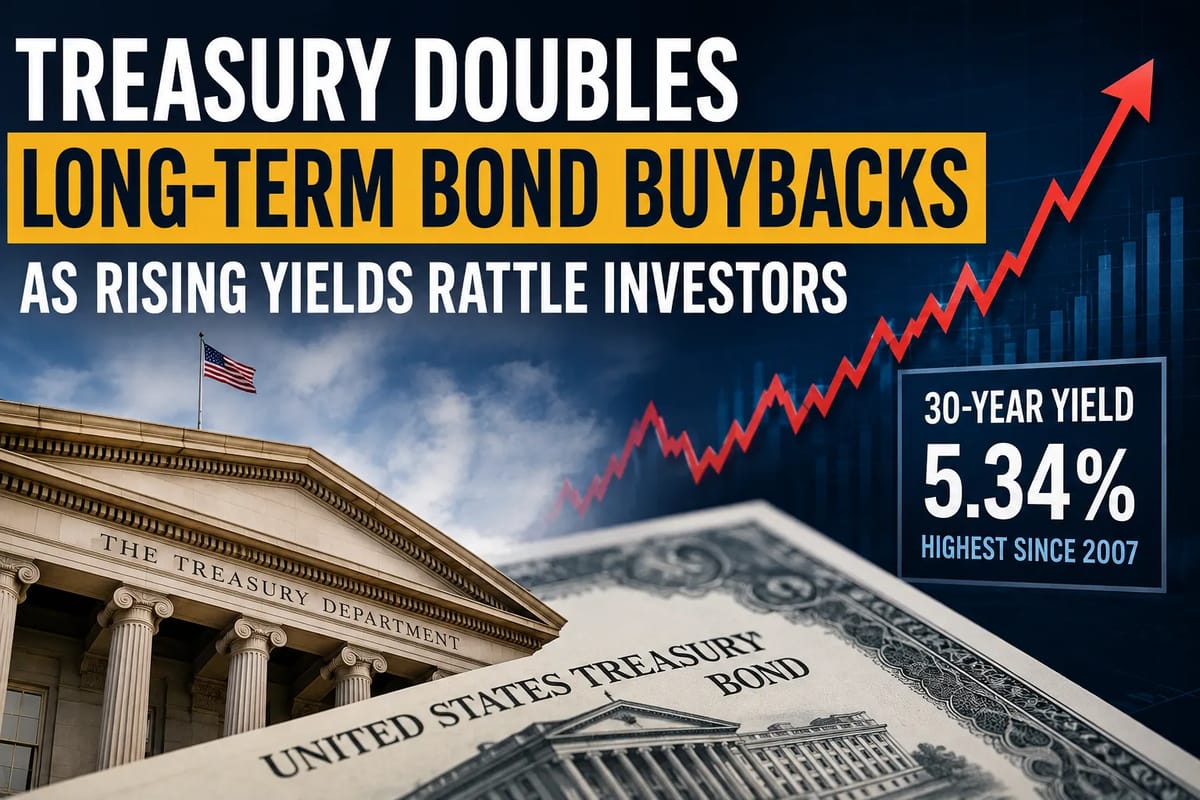
Treasury Doubles Long-Term Bond Buybacks as Rising Yields Rattle Investors
For investors, the development highlights a larger question facing markets: **how much pressure can long-term borrowing costs absorb when government debt issuance, inflation risks and geopolitical uncertainty are all competing for investors' capital?**
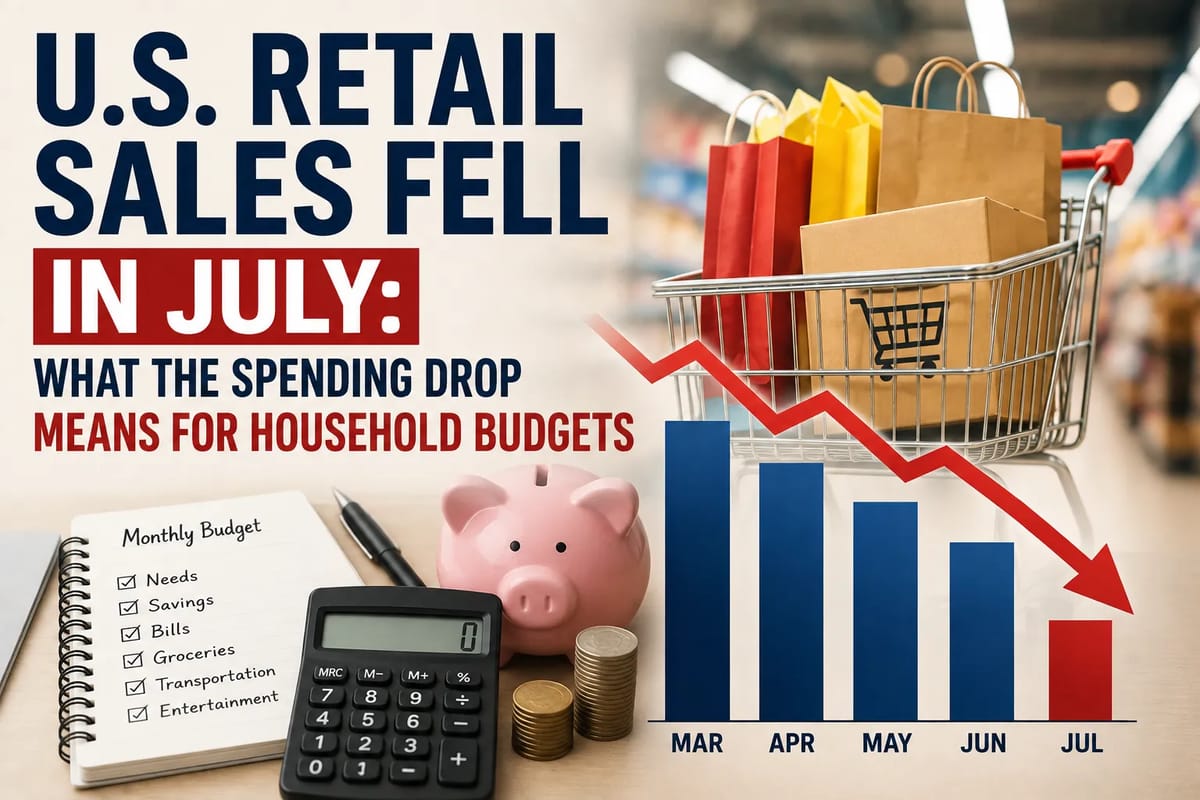
U.S. Retail Sales Fell in July: What the Spending Drop Means for Household Budgets
For consumers, the biggest question is not simply whether retail sales went down. It is **what the numbers say about household purchasing power and how families should manage their money if spending becomes more cautious.**
Popular Posts