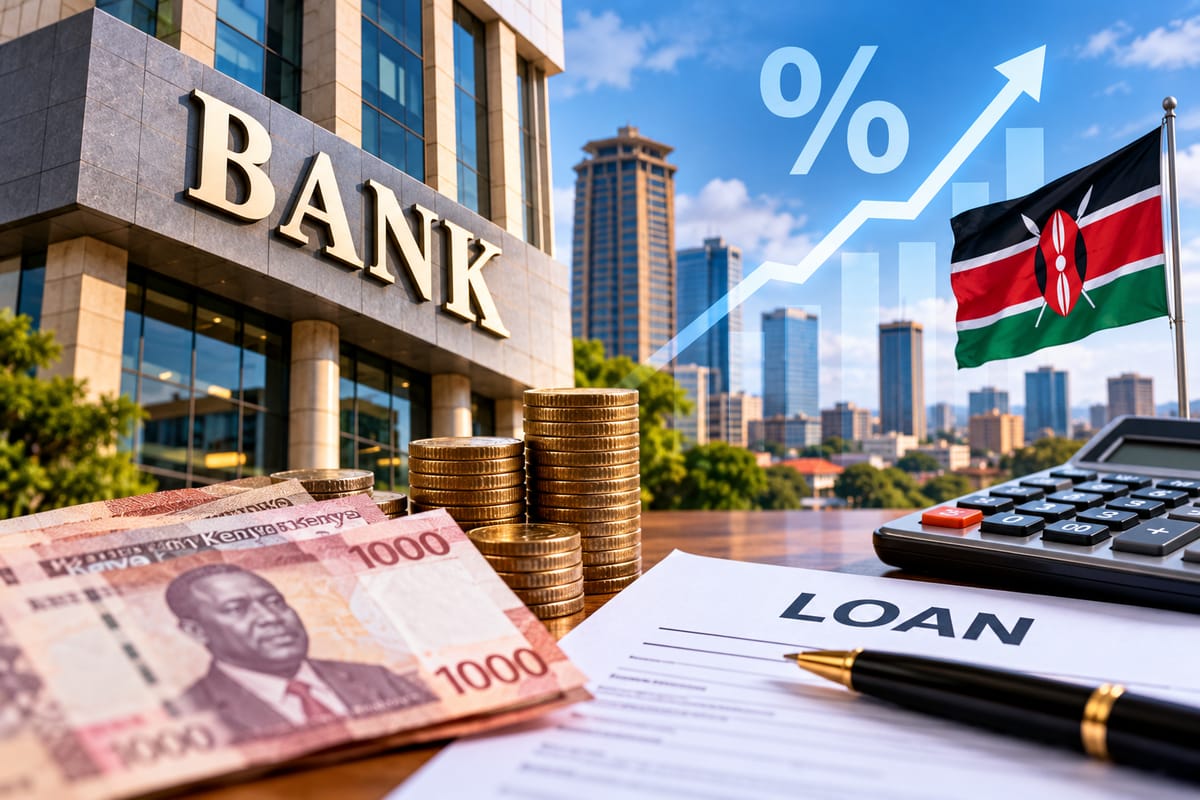
Higher Interest Rates Put Credit Card Debt Back in the Household Budget Spotlight
The result is a familiar financial challenge: a balance that seemed manageable can take much longer to pay off when interest charges consume a larger portion of each payment.
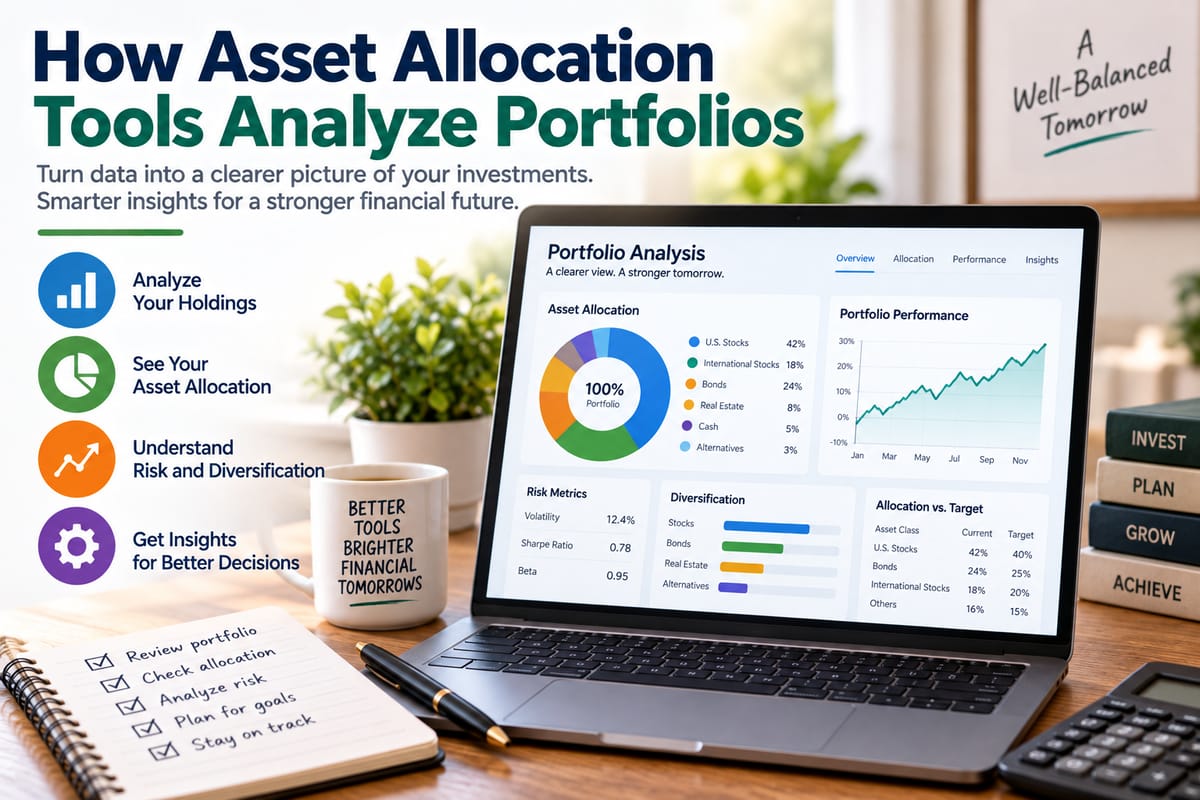
How Asset Allocation Tools Analyze Portfolios
Understanding how these tools work can help investors interpret their results more effectively and avoid treating a software-generated portfolio analysis as a complete investment decision.
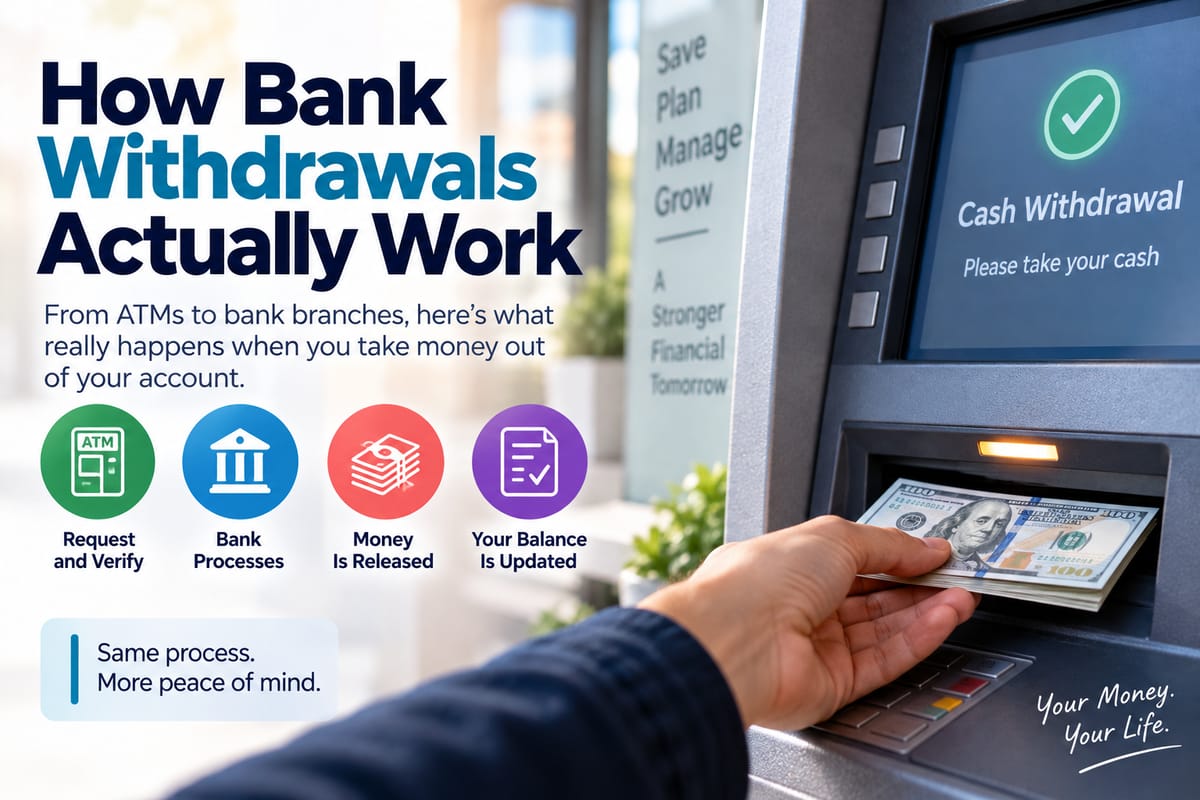
How Bank Withdrawals Actually Work
Understanding how withdrawals work can make everyday banking easier to navigate and can also explain why some transactions are immediate while others take longer to complete.

How Owners Pay Themselves From Businesses
Understanding the difference between these methods is important because taking money from a business is not necessarily the same thing as earning a profit. A business can generate substantial revenue while having limited cash available for the owner, particularly when money is needed for operating expenses, taxes, inventory, debt payments, employees, or future growth.
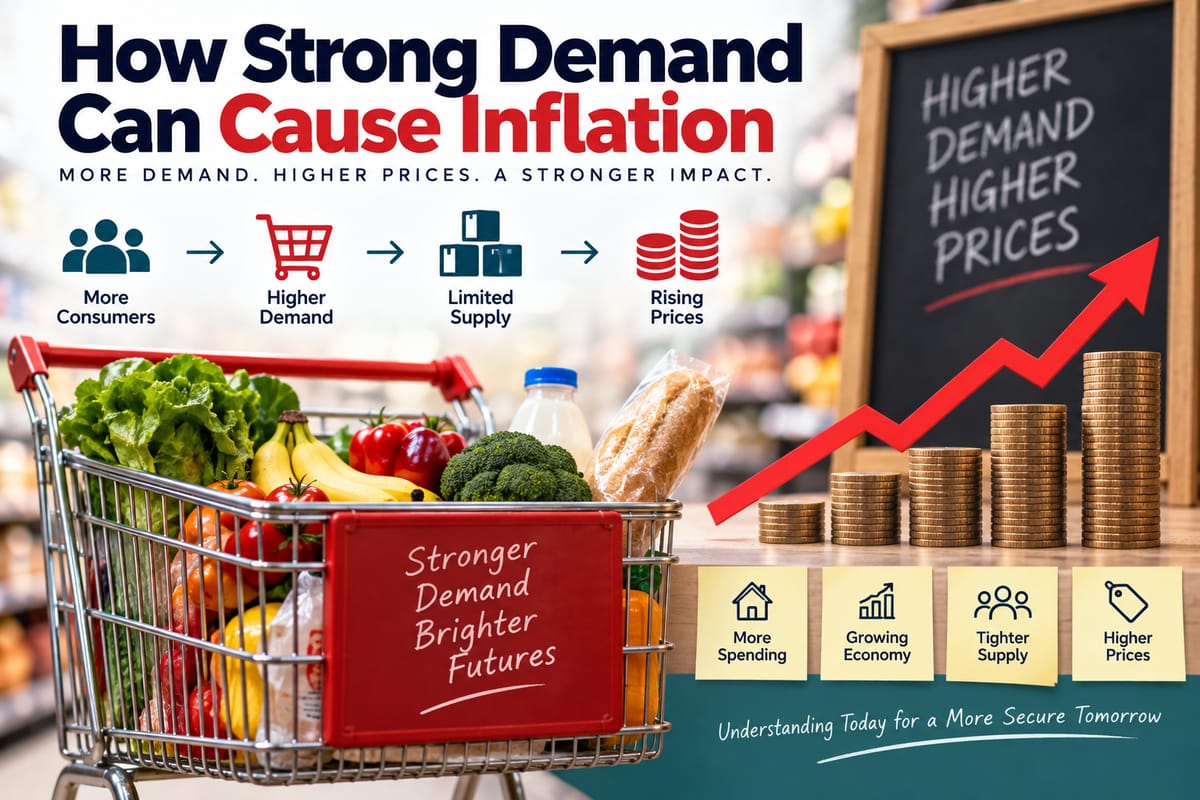
How Strong Demand Can Cause Inflation
Understanding this relationship helps explain why a growing economy can sometimes experience increasing price pressures.

Stocks and Bonds Face a New Test After the Fed's First Rate Hike in Three Years
For both stock and bond investors, the question is no longer simply whether rates are going higher. The bigger issue is how markets respond if higher rates remain in place for an extended period.
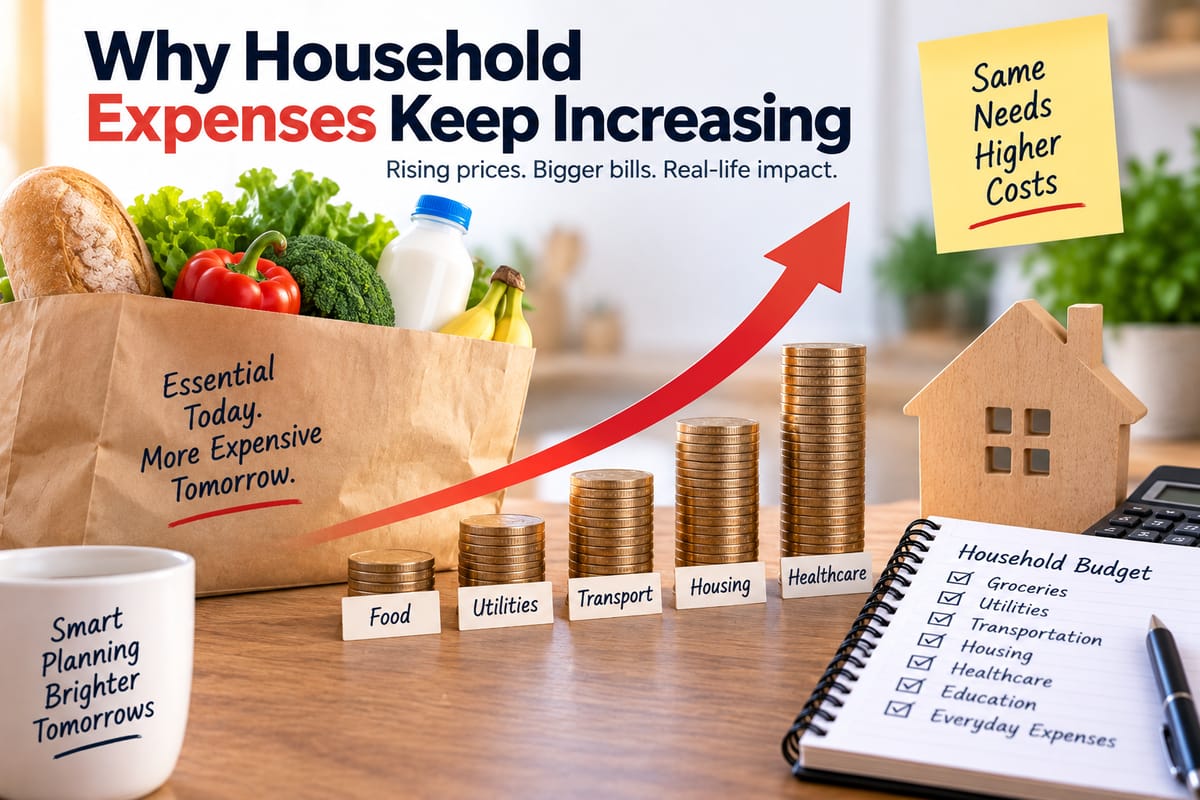
Why Household Expenses Keep Increasing
Understanding why expenses increase can help families respond more effectively. Instead of simply trying to spend less everywhere, households can identify which costs are rising, which expenses are necessary, which purchases can be adjusted, and which changes may require longer-term planning.

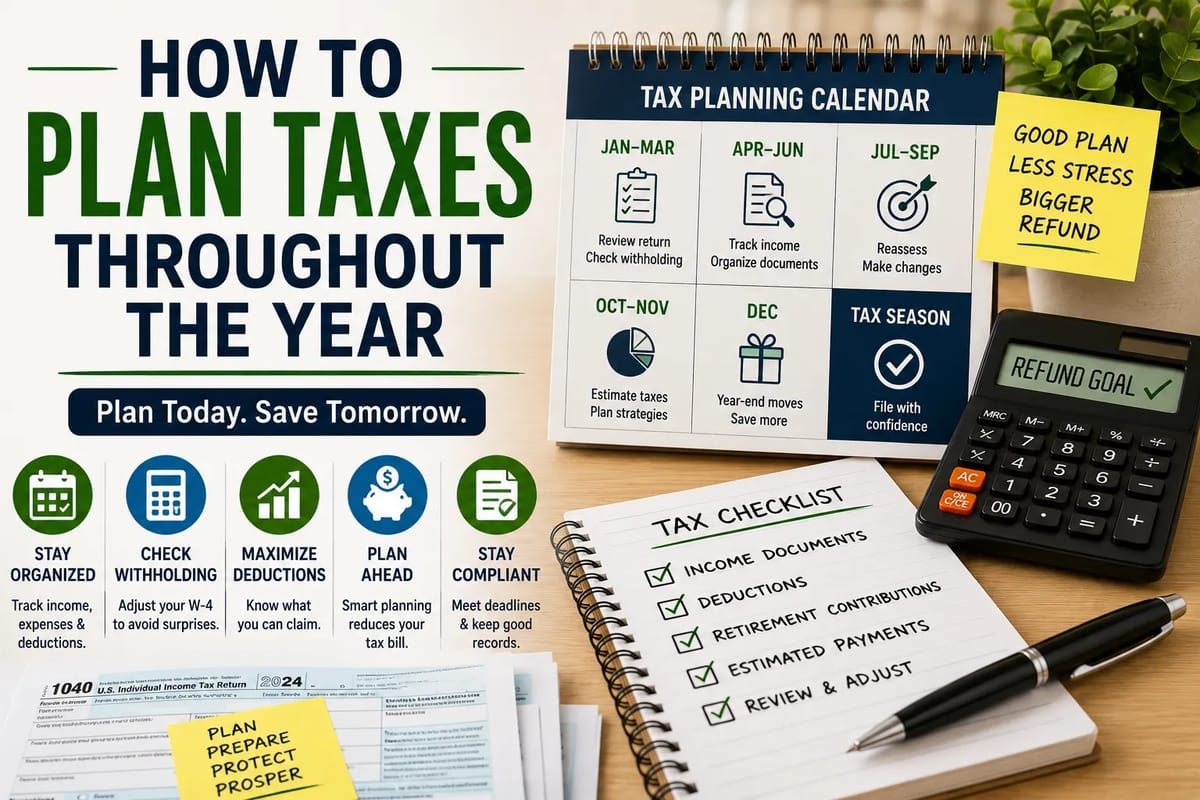
Why Tax Planning Should Happen Before Tax Season
Understanding that difference can make tax management a more deliberate part of personal financial planning rather than an annual scramble.
Popular Posts