How to Plan Taxes Before Selling Investments
Selling an investment can create an important tax event. Whether the asset is a stock, mutual fund, exchange-traded fund, bond, real estate investment, or another taxable investment, the sale may result in a capital gain or loss that affects a person’s tax bill.
The tax consequences do not necessarily need to be an afterthought. Planning before selling can help investors understand the potential liability, evaluate the timing of a transaction, and consider how the sale fits into their broader financial situation.
Tax planning does not mean avoiding taxes improperly. It means understanding the applicable rules and making investment decisions with their potential tax effects in mind.
The Complete Guide to Personal Taxes and Tax Planning provides a broader framework for thinking about taxes throughout the year rather than waiting until tax season.
Why Tax Planning Matters Before an Investment Sale
An investment can increase significantly in value without creating a taxable capital gain until the asset is sold.
For example, an investor who purchases shares for $20,000 and later sells them for $35,000 generally has a $15,000 gain before considering applicable adjustments and transaction costs.
That gain can affect taxable income and potentially increase the investor’s tax liability.
Planning before the sale gives the investor an opportunity to estimate the consequences rather than discovering them after the transaction has already occurred.
Understand the Cost Basis
One of the first things to determine before selling an investment is its cost basis.
Cost basis generally represents the amount used to determine whether an investment sale produces a gain or loss.
For a straightforward stock purchase, the basis may initially correspond to the purchase price plus certain applicable transaction costs.
However, basis can become more complicated when an investor:
- Reinvests dividends
- Receives stock through a gift
- Inherits an investment
- Participates in a stock split
- Receives additional shares
- Sells part of a position
- Holds mutual funds with reinvested distributions
- Owns investments through different accounts
An incorrect basis can result in an incorrect calculation of the taxable gain or loss.
Calculate the Potential Capital Gain
Before selling, investors can estimate the potential gain.
A simplified calculation is:
Capital gain = Sale proceeds − Adjusted cost basis
For example, if an investor has an adjusted basis of $18,000 and expects to sell the investment for $28,000, the preliminary gain would be $10,000.
The actual tax calculation can involve additional factors, including transaction costs, holding period, other gains and losses, and the taxpayer’s overall income.
Determine Whether the Gain Is Short-Term or Long-Term
The length of time an investment has been held can affect how a capital gain is taxed.
In the U.S. federal tax system, investments held for more than one year are generally treated as long-term capital assets, while investments held for one year or less are generally treated as short-term.
Short-term gains are generally taxed under ordinary income tax rates, while long-term capital gains can be subject to different rates depending on the taxpayer’s circumstances.
This distinction can make the timing of a sale important.
The How Investment Income and Capital Gains Are Taxed guide provides more information about the tax treatment of investment income and capital gains.
Check the Holding Period Before Selling
An investor who is close to reaching the one-year holding period may want to examine the tax consequences of selling immediately versus waiting, assuming the investment strategy and market risk make waiting appropriate.
For example, selling an asset shortly before it reaches the long-term holding period could result in different tax treatment from selling after the applicable holding period has been met.
However, tax considerations should not be viewed in isolation from investment risk.
Waiting for a tax treatment to change can expose an investor to additional market movements. The potential tax benefit should therefore be considered alongside the possibility that the investment’s value could fall.
Look for Capital Losses
Investors should also review whether they have realized or unrealized losses elsewhere in their taxable investment accounts.
Capital losses can potentially offset capital gains, subject to applicable tax rules.
For example, an investor might have a large gain from selling one investment while holding another investment that has declined substantially.
Selling the losing investment can create a realized capital loss, but whether doing so makes sense depends on the investor’s overall portfolio, tax position, investment objectives, and applicable rules.
Tax planning should not turn into an excuse to sell an otherwise appropriate investment solely for a tax result.
Understand Tax-Loss Harvesting
Tax-loss harvesting generally involves selling an investment that has declined in value to realize a capital loss that can potentially offset capital gains.
An investor may then purchase another investment that provides similar exposure while maintaining the desired overall portfolio strategy, subject to applicable rules.
However, investors need to be aware of the wash-sale rules, which can limit the tax benefits of selling an investment at a loss and acquiring substantially identical securities within the relevant period.
Tax-loss harvesting therefore requires attention to transaction dates and the specific securities involved.
Review All Taxable Investment Accounts
Before selling an investment, it can be useful to review the investor’s broader taxable portfolio.
A person may hold investments in:
- Individual brokerage accounts
- Joint taxable accounts
- Trust accounts
- Other taxable investment arrangements
The tax consequences can vary depending on the account structure and ownership.
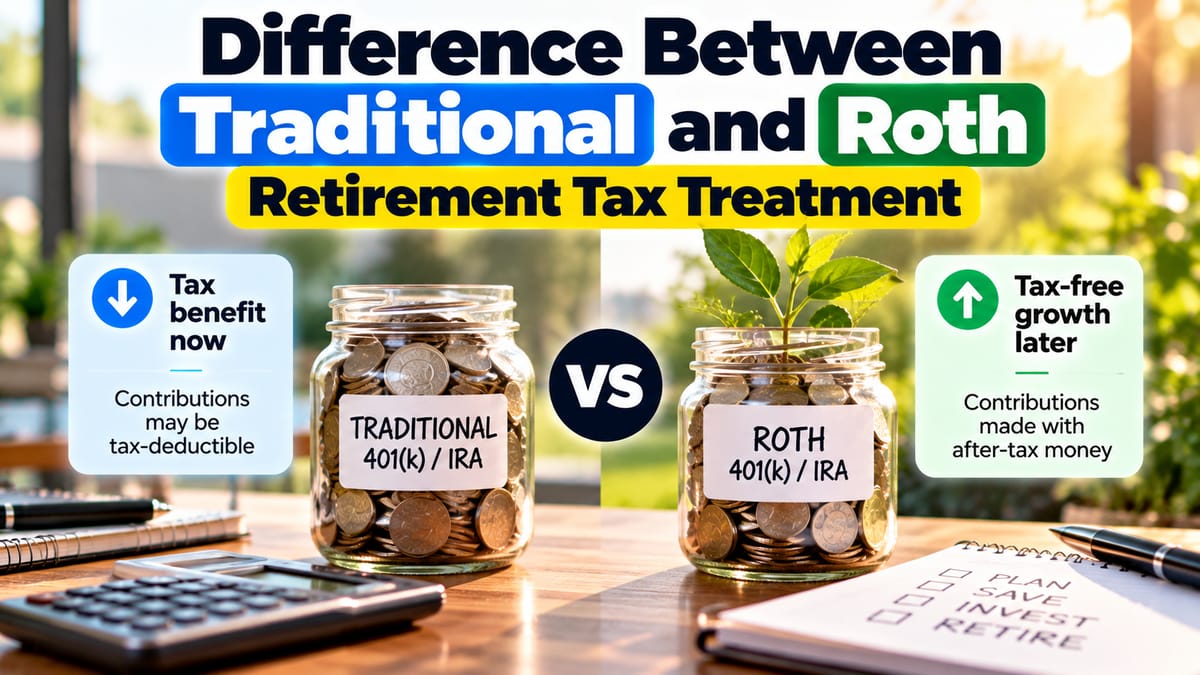
Retirement accounts also have different tax rules, so investors should not automatically apply the same capital-gains analysis to every investment account.
Consider the Effect on Overall Taxable Income
A capital gain does not exist in isolation.
The gain can become part of the taxpayer’s overall tax picture and may interact with other income.
An investor should consider expected:
- Employment income
- Business income
- Interest
- Dividends
- Rental income
- Capital gains
- Capital losses
- Deductions
- Other taxable income
A sale that appears manageable when considered by itself can have a different effect when combined with the taxpayer’s other income for the year.
Consider the Timing of the Sale
The calendar year in which an investment is sold can affect the tax year in which the gain or loss is recognized.
If an investor has flexibility regarding when to sell, it may be useful to compare the estimated tax consequences of selling in different tax years.
For example, an investor expecting unusually high income this year but lower income next year may want to understand how the timing of a taxable investment sale could affect the overall tax picture.
Timing decisions should still reflect the investment’s risk and financial purpose.
Understand How Tax Rates Affect the Decision
Tax rates can influence the after-tax amount an investor ultimately keeps from an investment sale.
However, taxes are only one component of an investment decision.
The How Tax Rates Affect Financial Decisions guide explores how tax considerations can influence broader financial choices.
An investor should consider the expected return, risk, diversification, liquidity needs, and investment objectives alongside the potential tax consequences.
Estimate the After-Tax Proceeds
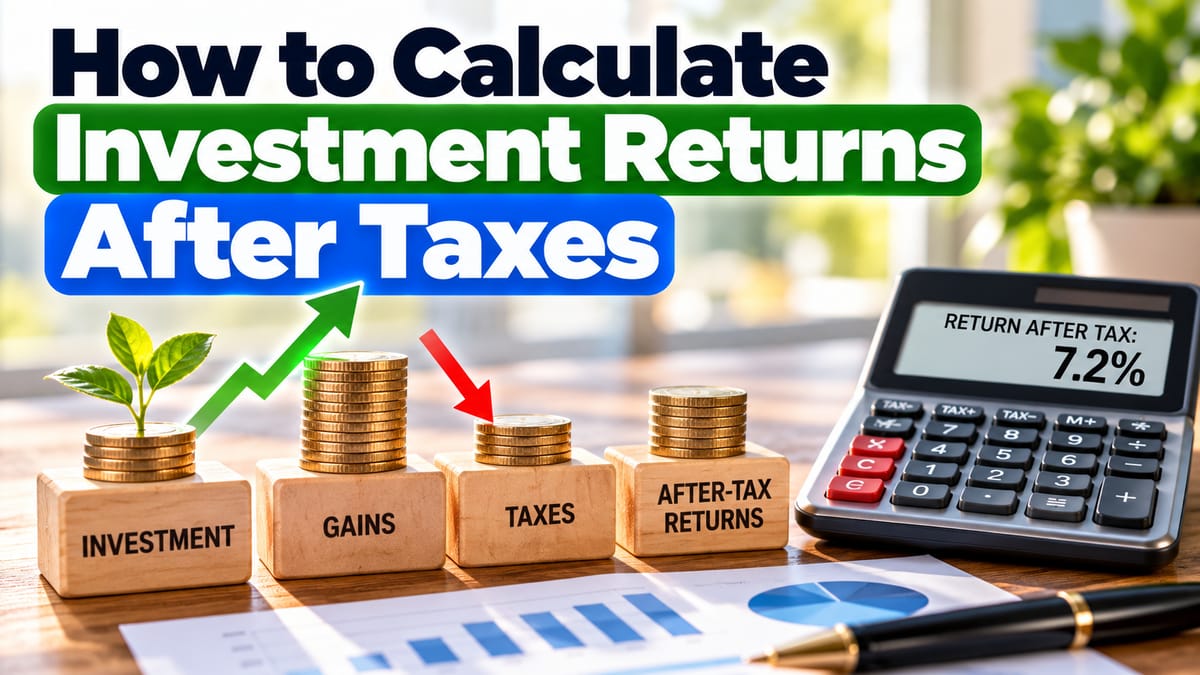
One useful exercise is to estimate how much money will actually remain after taxes and transaction costs.
Suppose an investor expects to receive $50,000 from selling an investment. The important financial question may not be simply whether the sale produces $50,000 of proceeds.
The investor may also need to consider:
- Original cost basis
- Capital gain
- Applicable capital-gains tax
- Potential additional taxes
- Transaction expenses
- Other gains or losses
- State and local taxes where applicable
The estimated after-tax proceeds can provide a more realistic picture of how much capital will be available for the investor’s next objective.
Account for State Taxes
Federal taxes are only part of the potential tax picture.
State and local tax rules can vary substantially. Some jurisdictions tax capital gains differently, while others may have no individual income tax.
An investor should therefore consider their applicable state and local rules when estimating the consequences of a taxable investment sale.
Someone who is planning to move between states may also need to consider residency and timing issues before completing a large transaction.
Consider the Net Investment Income Tax
Certain higher-income taxpayers may also be subject to the Net Investment Income Tax, commonly known as NIIT.
The tax can apply to certain types of investment income when applicable income thresholds are exceeded.
Because the rules involve income levels and the types of income involved, investors making substantial taxable investment sales should consider whether this additional tax could affect the transaction.
Review Dividend and Distribution Timing
Investment funds can distribute taxable income even when an investor does not sell the fund.
Mutual funds, for example, may distribute capital gains to shareholders.
This means an investor should not assume that avoiding a sale automatically means avoiding investment-related taxable income during the year.
Before making a large investment purchase near the end of a tax year, investors may also want to understand potential upcoming distributions.
Be Careful With Mutual Fund Cost Basis
Mutual funds can make cost-basis calculations more complicated because investors may purchase shares at different times and reinvest dividends or capital-gain distributions.
A single fund position can therefore contain shares with different acquisition dates and cost bases.
Investors should review their brokerage records and tax documents to understand how their basis is being tracked.
Review the Specific Shares Being Sold
When an investor has purchased the same stock or fund multiple times, the tax consequences can depend on which shares are sold.
For example, an investor may own:
- Shares purchased several years ago at a low price
- Shares purchased recently at a higher price
- Shares received through reinvested dividends
- Shares acquired at different times
The selected tax-lot method can affect the amount of gain or loss recognized.
Investors should understand how their brokerage account handles share identification and cost basis before placing a sale order.
Think About Charitable Giving
For investors who regularly make charitable contributions, appreciated investments can sometimes be part of charitable planning.
Depending on applicable rules and circumstances, donating appreciated assets directly to a qualifying charity can have different tax consequences from selling the asset, paying tax on the gain, and then donating the cash.
This area can involve detailed rules concerning eligibility, valuation, holding periods, and deduction limits.
Investors considering a significant charitable gift of appreciated assets may want professional tax advice before completing the transaction.
Consider Estate Planning Implications
Investment sales can also intersect with estate planning.
Assets held until death can receive different tax treatment from assets sold during the owner’s lifetime. In some circumstances, inherited assets may receive a basis adjustment under applicable rules.
This does not mean investors should automatically avoid selling appreciated investments.
Investment decisions should reflect financial needs, risk tolerance, estate plans, and applicable tax rules.
For substantial portfolios, estate planning and investment tax planning can be closely connected.
Think About the Purpose of the Sale
Tax planning should begin with the reason for selling.
An investor may be selling because:
- The investment no longer fits the portfolio
- The investor needs cash
- The investment has become too large a percentage of the portfolio
- Financial goals have changed
- The investor is rebalancing
- The investment thesis has changed
- The investor wants to reduce risk
The tax consequences should inform the decision, but they do not necessarily determine whether an investment should be sold.
A tax-efficient portfolio can still be inappropriate if it contains investments that no longer fit the investor’s objectives.
Rebalancing and Taxes
Portfolio rebalancing can create taxable gains when investments in a taxable account are sold.
An investor who needs to reduce an overweight position may therefore want to compare different ways of rebalancing.
Possible approaches can include:
- Selling selected tax lots
- Directing new contributions toward underweighted assets
- Using realized losses to offset gains where appropriate
- Rebalancing gradually
- Using tax-advantaged accounts when suitable
The best approach depends on the portfolio and the investor’s circumstances.
Build a Tax-Aware Investment Strategy
Tax planning is most effective when it is incorporated into the broader financial plan.
The How to Build a Tax-Aware Financial Plan explains how tax considerations can be integrated into financial decisions rather than handled only after transactions occur.
A tax-aware investment strategy can consider:
- Asset location
- Holding periods
- Capital gains
- Capital losses
- Income levels
- Retirement accounts
- Charitable giving
- Estate planning
- Future financial needs
The objective is to understand how taxes interact with the overall plan.
Avoid Letting Taxes Drive Every Investment Decision
Tax efficiency matters, but it should not become the sole reason for holding an investment.
Suppose an investor holds an asset that has appreciated substantially but no longer fits their risk tolerance.
Avoiding the capital-gains tax might save money in the short term, but continuing to hold an unsuitable investment exposes the investor to market risk.
Similarly, realizing a gain simply because a particular tax rate appears favorable may not be appropriate if the investment remains important to the portfolio.
Tax planning works best when it supports sound financial decisions rather than replacing them.
Keep Records Before the Sale
Before selling an investment, investors should gather relevant records.
These can include:
- Purchase confirmations
- Brokerage statements
- Dividend reinvestment records
- Previous tax returns
- Cost-basis information
- Records of previous sales
- Documentation for inherited or gifted assets
- Records of investment-related expenses where relevant
Good records can make it easier to verify the taxable gain or loss and reduce the possibility of reporting errors.
What About Investments Held for Different Periods?
A diversified portfolio can contain investments acquired at many different times.
One position might have been purchased recently, while another may have been held for decades.
Selling these investments can therefore produce very different tax consequences.
Reviewing individual tax lots before selling can help investors understand which portions of a portfolio have the largest unrealized gains or losses.
This information can be especially useful when the investor has flexibility about which assets or shares to sell.
Consider Future Tax Years
Tax planning should not stop with the current year.
An investor planning a large sale can consider whether other transactions are expected later.
For example, selling a large investment early in the year could affect the tax consequences of another sale later in the same year.
Similarly, a large gain may affect decisions involving charitable giving, retirement contributions, estimated tax payments, or other financial planning considerations.
Looking ahead can provide a more complete picture.
Set Aside Money for the Tax Bill
If a taxable investment sale is completed, the investor may need to reserve part of the proceeds for future tax obligations.
Spending the entire amount immediately can create a cash-flow problem when taxes become due.
The amount to reserve depends on the investor’s circumstances and estimated tax liability.
For large transactions, estimating the tax before spending the proceeds can make financial planning considerably easier.
Consider Estimated Tax Payments
A large capital gain can sometimes create a need to review estimated tax payments.
Taxpayers who expect a significant increase in taxable income may need to determine whether additional payments are appropriate to avoid an underpayment issue.
The applicable safe-harbor and estimated-tax rules can be complicated, so investors with substantial gains may benefit from reviewing their situation with a qualified tax professional.
Common Tax-Planning Mistakes Before Selling Investments
Several mistakes can make an otherwise straightforward investment sale more expensive or complicated.
Ignoring the Cost Basis
Without an accurate basis, an investor may miscalculate the gain or loss.
Focusing Only on the Tax Rate
The applicable tax rate is important, but the investment’s risk, purpose, and expected return also matter.
Forgetting Other Gains and Losses
A sale should be considered alongside other taxable transactions during the year.
Selling Without Considering Holding Period
Selling shortly before an investment qualifies for different tax treatment can change the tax consequences.
Ignoring State Taxes
Federal tax calculations do not necessarily represent the entire tax bill.
Spending the Entire Sale Proceeds
The proceeds may include money that ultimately needs to be used for taxes.
Waiting Until Tax Season
By the time a tax return is being prepared, opportunities to change the timing or structure of a transaction may have disappeared.
A Practical Checklist Before Selling
Before completing a significant taxable investment sale, an investor can review:
- What is the investment’s adjusted cost basis?
- How much is the expected gain or loss?
- How long have the shares or assets been held?
- Which tax lots will be sold?
- Are there other capital gains or losses this year?
- What is the expected overall taxable income?
- Could additional investment-related taxes apply?
- What federal, state, and local taxes may be relevant?
- How much cash should be reserved for taxes?
- Does the sale still make sense from an investment perspective?
Answering these questions before placing the trade can provide a clearer picture of the transaction.
When Professional Advice May Help
Tax rules surrounding investments can become complicated, particularly when an investor has a large portfolio, substantial gains, inherited assets, business interests, multiple investment accounts, or significant charitable or estate-planning considerations.
A qualified tax professional or financial professional can help evaluate the potential consequences of a transaction.
Professional advice can be particularly useful when the tax consequences of selling are large enough to materially affect the person’s broader financial plan.
Making Investment Sales More Tax-Aware
Planning taxes before selling investments is primarily about understanding the consequences before the transaction takes place.
Investors can review their cost basis, holding periods, tax lots, other gains and losses, expected income, applicable tax rates, and state tax considerations. They can then compare the estimated after-tax proceeds with the financial purpose of the sale.
The most important point is that taxes should be considered as part of the investment decision rather than treated as an issue that appears only after the sale.
A thoughtful approach can help investors understand what they are likely to owe, prepare for the resulting tax obligation, and make investment decisions that fit more coherently within their broader financial plan.