Common Retirement Tax Planning Mistakes Explained
Retirement planning is often presented as a question of how much money someone needs to save. But accumulating retirement assets is only part of the picture. Taxes can influence how much income actually reaches a retiree, when money should be withdrawn, which accounts are used, and how investment decisions affect long-term finances.
Tax planning becomes particularly important during the transition from employment to retirement because income sources can change significantly. Someone who once received a regular salary may eventually rely on a combination of retirement accounts, investment income, pensions, rental income, business interests, or other assets.
Without advance planning, retirees can make decisions that create unnecessary tax costs or reduce the flexibility of their finances.
The rules governing retirement taxation vary considerably by country and, in some cases, by state or province. The specific treatment of pensions, retirement accounts, investments, benefits, and withdrawals should therefore always be evaluated under the rules that apply to the individual.
Still, several common planning mistakes are broadly useful to understand.
Treating Retirement Tax Planning as an Annual Tax-Return Exercise
One of the most common mistakes is waiting until tax filing season to think about retirement taxes.
By the time a tax return is being prepared, many important financial decisions have already happened.
A withdrawal has already been made. An investment may already have been sold. Income has already been received. A retirement account distribution may already have affected taxable income.
Tax preparation looks backward, while tax planning looks forward.
The Complete Guide to Personal Taxes and Tax Planning provides broader context on why tax decisions are most useful when considered throughout the year rather than only when a return is being prepared.
Retirement planning benefits from the same approach.
Focusing Only on the Size of the Retirement Portfolio
A large retirement balance can provide financial security, but the headline account balance does not necessarily represent the amount available to spend.
Taxes may affect withdrawals and investment income depending on the type of account, the individual’s jurisdiction, and other circumstances.
For example, two people with identical portfolio balances could have different after-tax resources if their assets are held in different types of accounts or investments.
That is why retirement planning should consider both:
- The amount saved
- The potential tax treatment of accessing those savings
Thinking only about the gross portfolio value can produce an incomplete picture of retirement income.
Ignoring the Tax Characteristics of Different Accounts
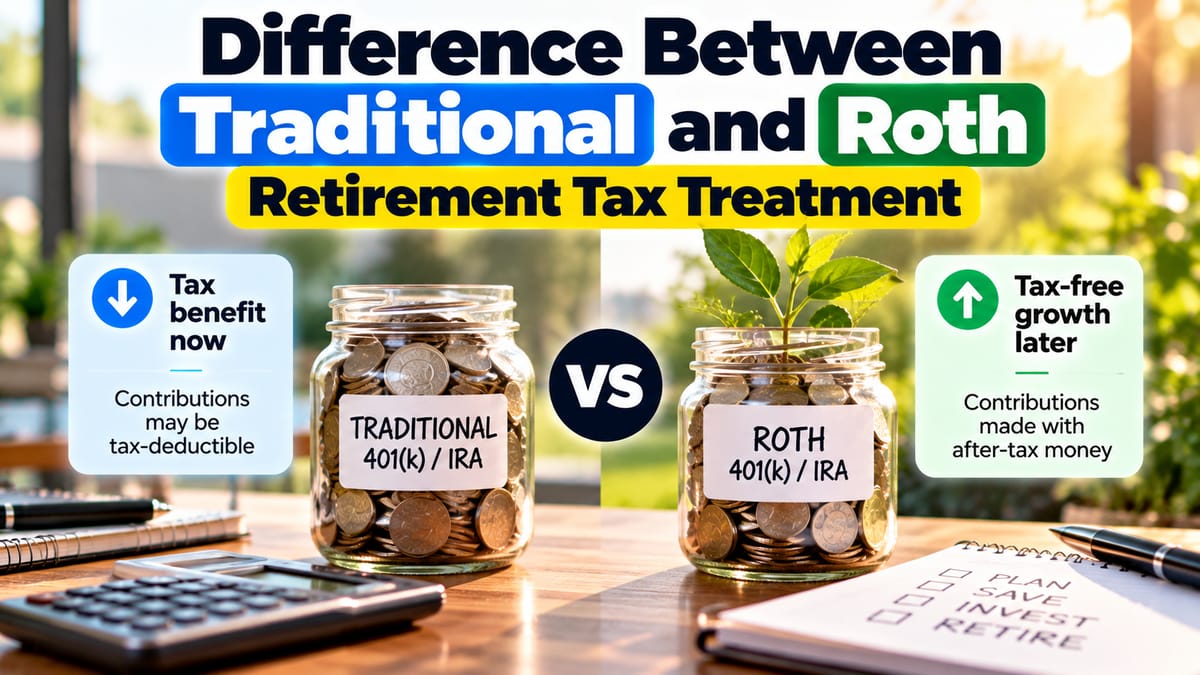
Retirement savings are not necessarily taxed in the same way.
Depending on the country and account structure, retirement assets may fall into categories with different tax treatment.
Some accounts may provide tax advantages when contributions are made. Others may offer different treatment for withdrawals or investment growth.
The important point is that the account balance alone does not tell the entire story.
Retirement planning should consider how and when money can be accessed and what tax consequences may accompany those transactions.
Taking Large Withdrawals Without Planning Ahead
A retiree may need a substantial amount of money for a home renovation, medical expense, vehicle purchase, travel, or another major expense.
Taking the entire amount from one retirement account may seem straightforward.
However, a large withdrawal can potentially increase taxable income for the year depending on the account and applicable tax rules.
That may affect the overall tax bill or interact with other income-based thresholds.
A more deliberate approach may involve considering the timing and source of withdrawals before taking the money.
This does not mean that spreading every withdrawal across multiple years is automatically beneficial. The appropriate strategy depends on the individual’s circumstances and the tax rules that apply.
Forgetting About Investment Income
Retirement income is not necessarily limited to pension payments or retirement account withdrawals.
Investments can generate:
- Interest
- Dividends
- Capital gains
- Distributions
- Rental income
- Other forms of investment income
The tax treatment can differ depending on the type of income and the jurisdiction.
The How Investment Income and Capital Gains Are Taxed guide provides additional context on the different ways investment income can be treated.
Retirees should therefore consider the tax characteristics of their entire investment portfolio rather than focusing exclusively on retirement accounts.
Selling Investments Without Considering the Tax Consequences
Retirement sometimes requires investors to sell assets to generate cash.
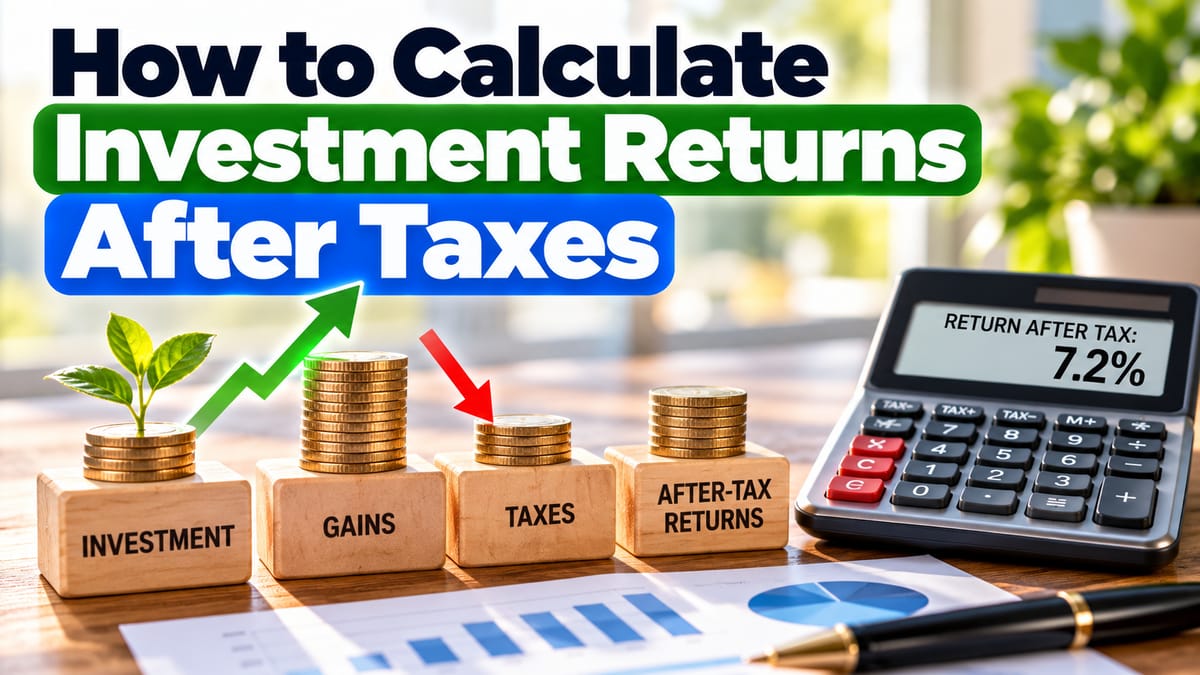
Selling an investment can have tax consequences when the asset has increased in value.
The amount of the gain, the length of time the investment was held, the investor’s overall income, and applicable tax rules can all influence the result.
A common mistake is to decide which investment to sell based only on its market value or recent performance.
Tax considerations can be another factor worth evaluating before a sale.
This does not mean that tax considerations should always override investment or financial objectives. Instead, they can be incorporated into the decision alongside risk, diversification, liquidity, and the purpose for which the money is needed.
Waiting Until Retirement to Create a Tax Strategy
Tax planning can begin long before someone stops working.
People approaching retirement may have opportunities to make decisions while they still have employment income, such as reviewing retirement contributions, investment allocations, charitable strategies, or the timing of certain financial transactions.
The specific opportunities vary according to local laws and individual circumstances.
The key principle is timing.
The article Why Tax Planning Should Happen Before Tax Season explains why advance planning can provide more opportunities than simply responding to a tax bill after the year has ended.
Retirement planning benefits from the same forward-looking mindset.
Assuming the Tax Rules Will Stay the Same
Retirement can last for decades.
Tax legislation, retirement-account rules, deductions, thresholds, investment regulations, and government benefit programs can change during that time.
A strategy that made sense several years ago may therefore need to be reviewed.
This does not mean retirees need to constantly change their financial strategy in response to every proposed policy change.
It does mean that long-term retirement plans should be reviewed periodically to ensure that they still reflect the rules currently in effect.
Forgetting About Inflation and Tax Brackets
Inflation can change the amount of income a retiree needs over time.
As spending needs increase, taxable income may also change.
At the same time, tax brackets, thresholds, deductions, credits, and other rules may be adjusted over the years.
Retirement planning should therefore consider more than the first year’s expected income.
A plan that appears comfortable at retirement could need adjustments as living costs, investment returns, and tax rules change.
Taking the Same Withdrawal Amount Every Year
Some retirees establish a fixed annual withdrawal amount and continue using it without reviewing their circumstances.
A consistent withdrawal strategy can be easy to understand, but tax considerations may change from one year to another.
For example, one year might include unusually high investment income, while another could involve a significant deductible expense or a temporary reduction in other income.
The amount and source of withdrawals can therefore be reviewed periodically rather than treated as completely automatic.
A flexible strategy may provide more opportunities to coordinate withdrawals with the rest of the household’s financial situation.
Ignoring the Timing of Income
The timing of income can matter as much as the total amount received.
A retiree may have several potential sources of income and some degree of flexibility over when certain transactions occur.
Depending on the tax system, receiving a large amount of taxable income in one year rather than spreading it across multiple years can produce different results.
This is one reason retirement tax planning should look at multiple years instead of treating each tax year as completely independent.
Overlooking a Spouse’s or Partner’s Tax Situation
For married couples or other households that plan finances jointly, retirement tax planning should consider both people.
One person’s income can affect the household’s overall financial situation, while differences in age, retirement accounts, investment holdings, or employment income can create different planning considerations.
Couples may also retire at different times.
One person could still be working while the other begins receiving retirement income.
This can create a transitional period in which the household’s income sources and tax circumstances are different from what they will be later.
Failing to Coordinate Multiple Income Sources
Retirees may have several sources of income operating simultaneously.
These could include:
- Pension income
- Retirement account withdrawals
- Investment income
- Employment income
- Rental income
- Business income
- Government benefits
- Annuity payments
Looking at each income source independently can obscure the combined effect.
A withdrawal that appears reasonable on its own may have different consequences when combined with other taxable income received during the same year.
A retirement tax plan should therefore consider the household’s overall income picture.
Ignoring Required Withdrawals Where Applicable
Some retirement systems require individuals to begin taking distributions from particular retirement accounts once certain conditions are met.
The age, calculation method, account types, and penalties for failing to comply vary by jurisdiction and can change over time.
This makes it important for retirees to understand the specific rules applying to their accounts.
Required withdrawals can also affect the rest of a person’s tax strategy because the income may need to be incorporated into annual planning.
Confusing Tax Deferral With Tax Elimination
A tax-advantaged retirement account may allow taxes to be deferred until a later point.
Tax deferral can be valuable because it changes when taxes are paid.
However, deferral should not automatically be interpreted as permanent tax elimination.
Depending on the account, taxes may eventually apply when money is withdrawn or under other circumstances.
Understanding this distinction can prevent unrealistic expectations about the after-tax value of retirement savings.
Neglecting Beneficiary and Estate Considerations
Retirement accounts can also play a role in estate planning.
What happens to an account after the owner’s death can depend on the account structure, beneficiaries, local law, and the recipient’s circumstances.
Beneficiary designations should therefore be reviewed periodically, particularly after major life events such as marriage, divorce, births, deaths, or significant changes in financial circumstances.
Estate and retirement planning can overlap, making it useful to consider both rather than treating them as completely separate subjects.
Making Charitable Donations Without Considering Tax Treatment
Some retirees regularly give money to charities.
Depending on local tax rules and the type of assets being donated, the tax treatment of charitable giving can differ.
For example, donating an appreciated investment may have different consequences from selling the investment and donating the cash.
The rules governing charitable deductions, qualifying organizations, asset transfers, and retirement-account distributions vary significantly between jurisdictions.
Anyone considering a large charitable transaction should understand the applicable rules before acting.
Overlooking Healthcare and Other Major Expenses
Retirement tax planning should not focus solely on income.
Major expenses can influence how much money needs to be withdrawn and when.
Healthcare costs are one example, but housing, long-term care, insurance, family support, and major repairs can also affect retirement cash flow.
A tax-aware retirement plan should therefore be connected to a broader financial plan rather than designed in isolation.
The goal is not simply to minimize taxes in one year. It is to balance tax considerations with the need to fund real expenses over a potentially long retirement.
Prioritizing Taxes Over Every Other Financial Consideration
Tax efficiency is important, but it should not become the only objective.
A decision that saves taxes could still be inappropriate if it creates excessive investment risk, reduces liquidity, undermines diversification, or conflicts with the person’s broader financial goals.
For example, holding an investment solely because selling it would create a taxable gain may not make sense if the investment no longer fits the person’s risk profile.
Taxes are one part of financial decision-making.
A sound retirement strategy considers taxes alongside cash flow, investment risk, spending needs, estate objectives, and financial flexibility.
Failing to Build a Multi-Year Tax Plan
One of the most useful ways to think about retirement taxes is across several years.
Instead of asking only, “How much tax will I owe this year?” consider questions such as:
- What income will I have next year?
- When will different retirement accounts need to be accessed?
- Which investments might be sold?
- Are there major expenses coming up?
- Could my income change substantially?
- Are there tax rules that may affect future withdrawals?
- How might my household’s income change if one spouse continues working?
The How to Build a Tax-Aware Financial Plan provides a broader framework for incorporating tax considerations into an overall financial strategy.
A multi-year view can make retirement planning more deliberate and less reactive.
Failing to Keep Good Records
Retirement tax planning becomes more difficult when important financial records are missing.
Depending on the jurisdiction and account type, useful records may include:
- Investment purchase information
- Account statements
- Contribution records
- Retirement account documentation
- Tax returns
- Charitable donation records
- Property records
- Beneficiary information
- Documentation for major financial transactions
Keeping organized records can make it easier to understand the tax history of assets and prepare accurate tax filings.
Digital records should also be protected through appropriate backups and security measures.
Making Decisions Based on Outdated Information
Online discussions about retirement taxes can remain available long after the rules they describe have changed.
A tax strategy found in an old article, video, social media post, or forum discussion may no longer apply.
This is particularly important for retirement because individuals may be making decisions involving substantial assets and transactions that cannot easily be reversed.
Tax rules should be checked for the relevant year and jurisdiction, particularly before making significant financial moves.
How to Avoid Common Retirement Tax Mistakes
A practical retirement tax-planning process can begin with a simple inventory.
List:
- All retirement accounts
- Investment accounts
- Expected pension or benefit income
- Other sources of taxable income
- Major expected expenses
- Current tax obligations
- Beneficiary designations
- Planned investment sales
- Potential large withdrawals
- Questions that require professional advice
Next, consider how these elements interact over several years.
This process does not require predicting every future event. Instead, it creates a framework for identifying decisions that may have tax consequences before those decisions become urgent.
When Professional Tax Advice May Be Useful
Retirement tax planning can become complicated when multiple accounts, investments, properties, businesses, or income sources are involved.
Professional advice may be particularly useful when someone is considering:
- Large retirement withdrawals
- Selling substantial investments
- Moving between jurisdictions
- Starting or selling a business
- Estate transfers
- Major charitable gifts
- Complex retirement-account transactions
- Significant changes in household income
A tax professional can evaluate the rules applicable to the individual’s situation, while a financial planner or investment professional may address broader portfolio and cash-flow considerations.
These roles can overlap, but they are not necessarily interchangeable.
Building a More Tax-Aware Retirement Strategy
Avoiding retirement tax mistakes is less about finding a single perfect strategy and more about coordinating financial decisions.
A useful plan considers where retirement income will come from, how investments are taxed, when assets may need to be sold, how withdrawals fit into annual income, and how current decisions could affect future years.
Most importantly, tax planning should happen before major financial decisions are finalized.
Retirement can span many years, which means a tax strategy should be flexible enough to adapt as income, investments, spending needs, laws, and personal circumstances change.
By treating taxes as an ongoing part of retirement planning rather than an issue that appears only when a tax return is due, retirees can make more informed decisions about how their savings and investments fit into their broader financial plans.